7.6 Magnitude Earthquake Devastates Indonesia: 1 Dead, Massive Destruction & Buildings Collapsed in Shocking Disaster
A powerful 7.6 magnitude earthquake strikes Indonesia, leaving 1 dead and widespread building damage
A powerful 7.6 magnitude earthquake struck Indonesia, sending shockwaves across the region, damaging buildings, and triggering panic among residents. Initial reports confirm one fatality caused by falling rubble, while dozens more have been injured and displaced. Authorities have launched urgent rescue and relief operations as communities struggle to cope with the aftermath of the disaster.
Indonesia, located on the seismically active Pacific Ring of Fire, is no stranger to earthquakes. However, this latest tremor once again highlights the country’s vulnerability to natural disasters and the devastating consequences such events can have on lives and infrastructure.
The earthquake occurred during a time when many people were either at home or going about their daily routines. According to geological agencies, the tremor was recorded at a magnitude of 7.6, making it a strong and potentially destructive seismic event.
The epicenter was located beneath the ocean floor, which initially raised fears of a tsunami. While authorities monitored the situation closely, no major tsunami waves were reported. However, the intensity of the quake was enough to cause significant damage across nearby regions.
Residents described the terrifying moments as buildings shook violently, windows shattered, and power outages plunged areas into darkness. Many people rushed out of their homes and workplaces, seeking open spaces to avoid being trapped under collapsing structures.
Tragically, at least one person lost their life after being struck by falling debris. Emergency officials confirmed that the victim was caught in a collapsing structure, highlighting the deadly risks posed by unstable buildings during such disasters.
In addition to the fatality, several people were reported injured, some critically. Hospitals in affected areas have been overwhelmed with patients suffering from fractures, head injuries, and trauma-related conditions.
Local authorities are continuing to assess the situation, and the number of casualties may rise as rescue teams reach more severely impacted zones. The psychological toll is also significant, with many residents experiencing fear, anxiety, and shock in the wake of the earthquake.
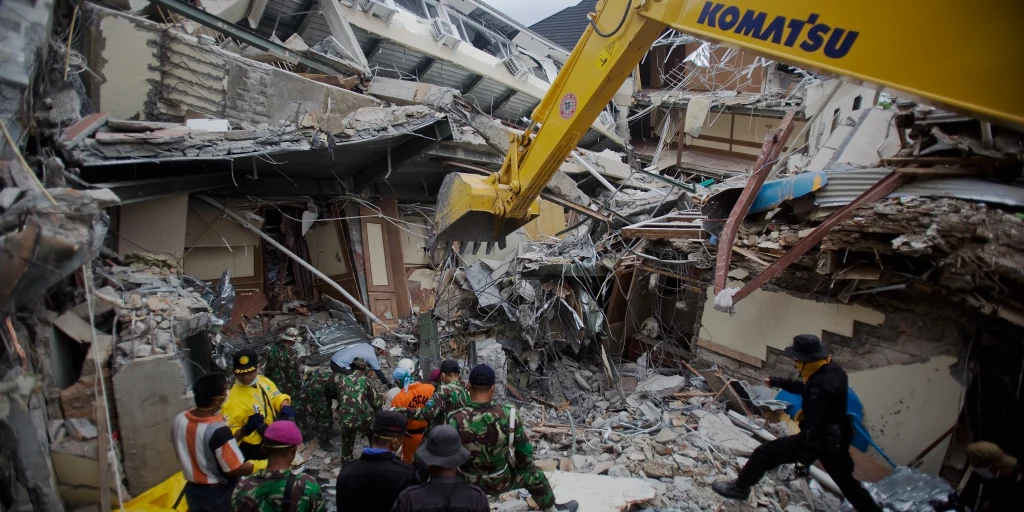
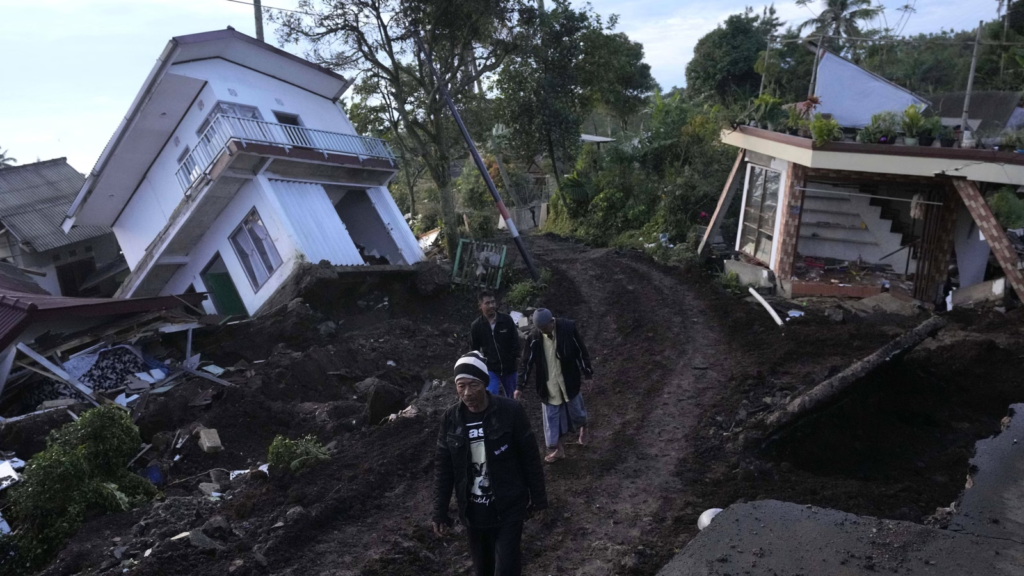
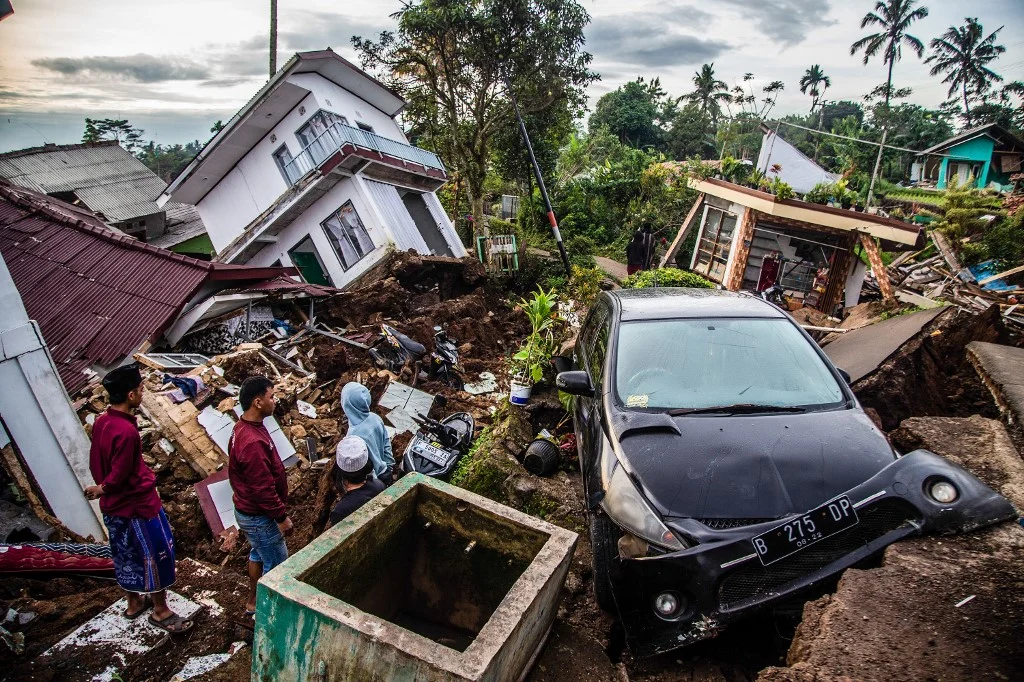
The earthquake caused extensive damage to buildings, particularly older structures that were not designed to withstand strong seismic activity. Residential homes, office complexes, and public buildings have either partially collapsed or sustained severe cracks.
Key infrastructure has also been affected. Roads in some areas have developed large fissures, making transportation difficult and slowing down rescue operations. Power lines and communication networks were disrupted, leaving communities temporarily isolated.
In some regions, schools and hospitals have been evacuated due to safety concerns. Authorities are conducting structural assessments to determine which buildings can still be used and which must be demolished.
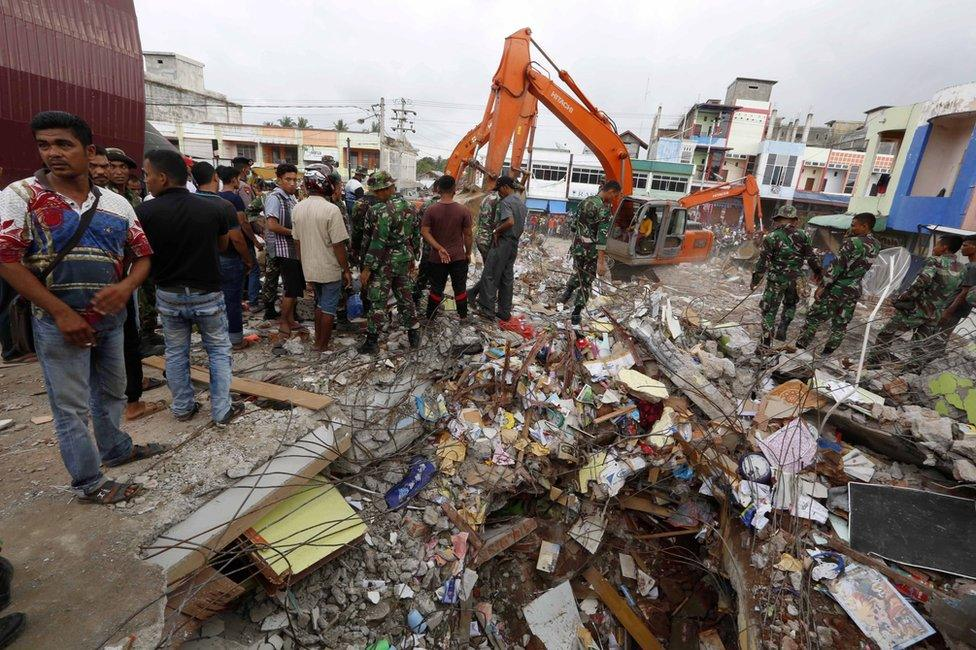
Emergency services have been deployed across affected regions to rescue trapped individuals, provide medical aid, and distribute relief supplies. Search-and-rescue teams are working tirelessly, often using heavy machinery and specialized equipment to clear debris.
Volunteers and local residents have also joined the efforts, demonstrating remarkable solidarity and resilience. Temporary shelters have been set up to accommodate displaced families, providing food, water, and basic necessities.
The Indonesian government has mobilized its disaster management agencies to coordinate relief efforts. International organizations have also expressed readiness to provide assistance if needed.
One of the biggest concerns following a major earthquake is the possibility of aftershocks, which can further damage weakened structures and pose additional risks to survivors.
Experts have warned that aftershocks are likely in the coming days, urging residents to remain cautious and avoid entering damaged buildings. Authorities are continuously monitoring seismic activity to provide timely updates and warnings.
Indonesia sits along the Pacific Ring of Fire, a zone known for its high seismic and volcanic activity. The country experiences frequent earthquakes due to the movement of tectonic plates beneath its surface.
Over the years, Indonesia has faced several devastating earthquakes and tsunamis, including the catastrophic 2004 Indian Ocean tsunami and the 2018 Sulawesi earthquake, both of which resulted in massive loss of life.
This geographical reality makes disaster preparedness a crucial priority for the nation.
The recent earthquake has once again highlighted the importance of disaster preparedness and resilient infrastructure. Experts emphasize the need for:
- Stronger building codes to ensure structures can withstand seismic forces
- Public awareness campaigns to educate people on safety protocols
- Early warning systems for earthquakes and tsunamis
- Emergency drills in schools, workplaces, and communities
Simple measures such as knowing safe spots, keeping emergency kits ready, and having evacuation plans can save lives during such events.
Amid the destruction, stories of courage and humanity have emerged. Residents have risked their lives to rescue neighbors trapped under debris. Families have come together to support one another, sharing resources and offering emotional support.
These acts of bravery and solidarity highlight the resilience of communities in the face of adversity.
Beyond the immediate human toll, the earthquake is expected to have significant economic implications. Damaged infrastructure, disrupted businesses, and the cost of rebuilding will place a heavy burden on local and national economies.
Tourism, a key sector in Indonesia, may also be affected if popular destinations have been impacted by the quake.
The Indonesian government has assured citizens that all necessary measures are being taken to manage the crisis and support recovery efforts. Financial aid packages, reconstruction plans, and rehabilitation programs are expected to be announced.
Authorities are also focusing on restoring essential services such as electricity, water supply, and communication networks as quickly as possible.
Countries and international organizations have expressed solidarity with Indonesia, offering assistance in rescue, medical support, and rebuilding efforts.
Such global cooperation plays a vital role in helping disaster-stricken regions recover and rebuild stronger.