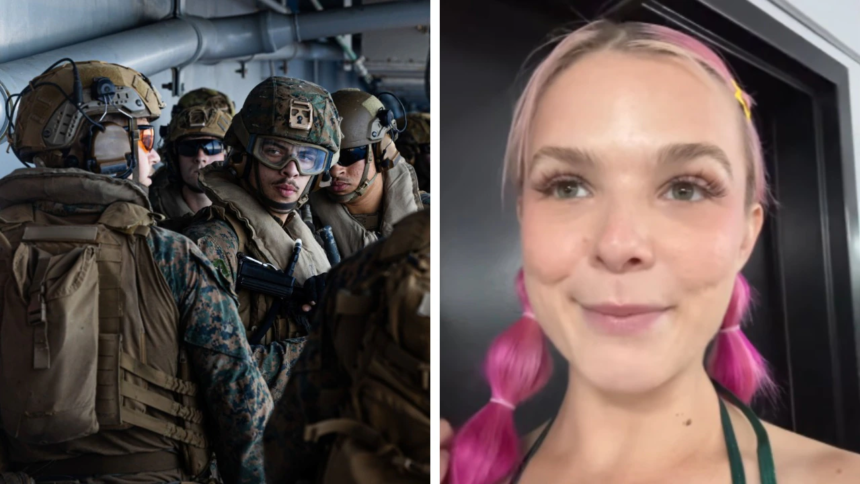
Explosive Viral Scandal: 5 Shocking Claims of US Troops Leaking Iran War Secrets as ‘Depressed’ Soldiers’ Video Sparks Global Alarm
A viral video claims “depressed” US troops may have leaked Iran war deployment details, sparking major concerns over OPSEC breaches, military security, and the emotional toll on soldiers
The ongoing tensions surrounding the United States’ military engagement in the Middle East have taken a dramatic turn, not on the battlefield but online. A viral video posted by a San Diego-based entertainer has ignited widespread debate after she alleged that young US troops have been casually revealing details about their upcoming deployments related to the Iran conflict. The clip, which spread rapidly across social media platforms, has raised urgent questions about operational security, military discipline, and the emotional toll of modern warfare.
While the claims remain unverified and should be approached with caution, the controversy highlights how even informal conversations in everyday environments can trigger serious national security concerns in the digital age.
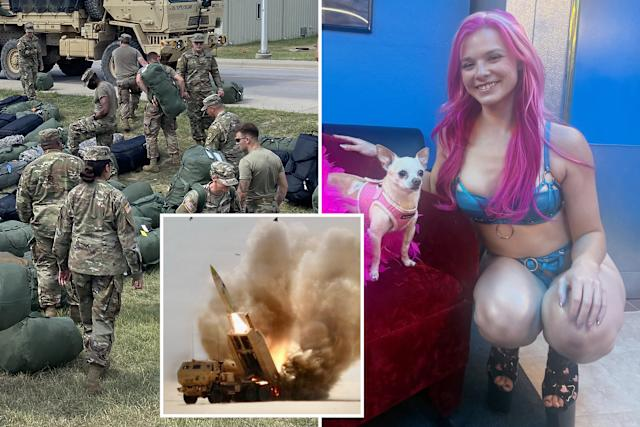
The controversy began when a social media influencer and performer shared her experiences interacting with US servicemen at entertainment venues located near major military bases. In her video, she described a noticeable surge of young soldiers visiting her workplace in recent weeks. According to her, many appeared emotionally distressed, spending significant amounts of money and speaking openly about their imminent deployments.
The video gained traction almost immediately, accumulating millions of views and sparking intense discussion across platforms like X (formerly Twitter), Instagram, and TikTok. Users reacted with a mix of sympathy, skepticism, and alarm, as the narrative quickly evolved from a personal anecdote into a broader debate about national security risks.
In the viral clip, the performer claimed that several soldiers casually mentioned that they were scheduled to deploy “next week.” She described them as “young” and “depressed,” noting that many seemed emotionally burdened despite attempting to enjoy their time before departure.
These claims, if accurate, raise concerns about Operational Security (OPSEC)—a fundamental principle within the military that requires personnel to avoid sharing sensitive information that could compromise missions or safety.
It is important to note that there is no official confirmation that classified information was leaked. The statements described in the video appear to be general references to deployment timelines rather than specific operational plans. However, even such seemingly harmless details can become problematic when aggregated or amplified online.
Operational Security is a critical component of military operations. It involves safeguarding sensitive information that could be used by adversaries to gain strategic advantages. In today’s interconnected world, the boundaries between private conversations and public information are increasingly blurred.
Even casual remarks about deployment dates, locations, or unit movements can:
- Provide insights into troop readiness
- Reveal potential timelines for military action
- Enable adversaries to anticipate strategies
Military authorities have repeatedly emphasized that information leaks don’t always come from official channels—they can originate from everyday conversations, social media posts, or even unintended disclosures.
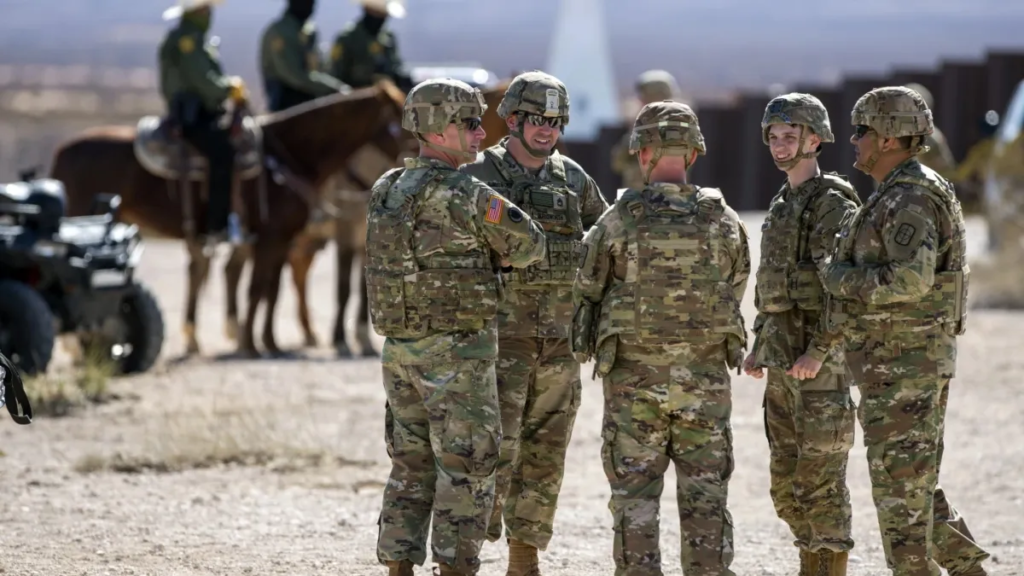
Beyond the security implications, the viral video has also shed light on the emotional state of troops preparing for deployment. The performer’s description of “depressed” soldiers resonated with many viewers, sparking conversations about mental health within the armed forces.
Deployment to conflict zones is inherently stressful. Soldiers often face:
- Anxiety about combat situations
- Separation from family and loved ones
- Uncertainty about their safety and future
The moments before deployment can be particularly intense, as servicemen and women attempt to balance duty with personal emotions. For some, social environments like clubs or gatherings may serve as temporary outlets for stress, even if such settings are not ideal for maintaining strict confidentiality.
The rapid spread of the video demonstrates the power—and risk—of social media in modern conflicts. Within hours, a localized observation turned into an international headline, highlighting how quickly narratives can escalate in the digital era.
Social media plays a dual role:
Positive Aspects
- Raises awareness about the human experiences of soldiers
- Encourages discussions on mental health and support systems
- Provides real-time insights into public sentiment
Negative Impacts
- Amplifies unverified claims
- Risks spreading misinformation
- Potentially exposes sensitive information to unintended audiences
This incident underscores the importance of responsible content sharing and critical evaluation of viral information.
The rapid spread of the video demonstrates the power—and risk—of social media in modern conflicts. Within hours, a localized observation turned into an international headline, highlighting how quickly narratives can escalate in the digital era.
Social media plays a dual role:
Positive Aspects
- Raises awareness about the human experiences of soldiers
- Encourages discussions on mental health and support systems
- Provides real-time insights into public sentiment
Negative Impacts
- Amplifies unverified claims
- Risks spreading misinformation
- Potentially exposes sensitive information to unintended audiences
This incident underscores the importance of responsible content sharing and critical evaluation of viral information.
The video’s context is particularly significant because it originated from San Diego, home to one of the largest concentrations of US military bases. The region hosts major installations, including naval and marine facilities, making it a key hub for military operations.
The proximity of entertainment venues to these bases means that interactions between civilians and servicemen are common. While such interactions are a normal part of life in military towns, they also highlight the need for heightened awareness regarding information sharing.
The incident reflects a broader trend in modern warfare, where information flows are as critical as physical operations. In an era of smartphones, social media, and instant communication, the traditional boundaries of security are constantly being challenged.
Key factors shaping this landscape include:
- Real-time information sharing: Events are reported instantly, often without verification
- Citizen journalism: Individuals can influence global narratives
- Data aggregation: Small pieces of information can be combined to reveal larger patterns
This environment requires both military personnel and civilians to exercise greater caution in how information is shared and consumed.
The incident reflects a broader trend in modern warfare, where information flows are as critical as physical operations. In an era of smartphones, social media, and instant communication, the traditional boundaries of security are constantly being challenged.
Key factors shaping this landscape include:
- Real-time information sharing: Events are reported instantly, often without verification
- Citizen journalism: Individuals can influence global narratives
- Data aggregation: Small pieces of information can be combined to reveal larger patterns
This environment requires both military personnel and civilians to exercise greater caution in how information is shared and consumed.
One of the key challenges highlighted by this incident is finding the balance between transparency and security. While openness can build trust and understanding, it must not come at the cost of compromising safety or strategic advantage.

For the military, this means:
- Strengthening communication guidelines
- Providing training on digital behavior
- Offering support systems for stress management
For the public, it involves:
- Avoiding the spread of unverified information
- Respecting the privacy and security of servicemen
- Understanding the complexities of military operations