LPG Price Shock 2026: Commercial Cylinders Hiked by ₹1,000+ — Check 10 Major Cities’ Latest Rates Today
Commercial LPG cylinder prices have surged by nearly ₹1,000 in 2026, impacting businesses across India
The sharp rise in commercial LPG cylinder prices has sent shockwaves across businesses and households in India, especially in urban hubs where dependence on LPG is high. With prices reportedly increasing by nearly ₹1,000 in 2026, this marks one of the steepest hikes in recent times, triggering widespread concern among restaurant owners, small vendors, and even middle-class families who rely on gas for daily cooking needs.
This sudden surge has not only raised operational costs for businesses but has also sparked discussions about inflation, supply dynamics, and government policies. Here’s a detailed breakdown of what’s happening, why prices have increased, and how it impacts different sections of society.
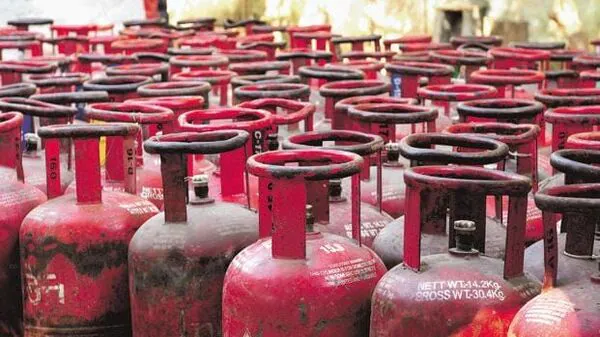
Commercial LPG (Liquefied Petroleum Gas) cylinders are primarily used by businesses such as hotels, restaurants, street food vendors, bakeries, and catering services. Unlike domestic LPG cylinders, which are subsidized or partially supported by the government, commercial cylinders are priced based on market rates.
Because of this, any fluctuation in global fuel prices or domestic policies directly affects commercial LPG prices. When prices rise significantly—as seen now—it creates a ripple effect across the entire economy.
The recent price revision has pushed the cost of a 19-kg commercial LPG cylinder up by nearly ₹1,000 compared to previous months. This increase varies slightly across cities but remains substantial everywhere.
- One of the biggest single hikes in recent years
- Direct impact on food and hospitality industries
- Potential increase in retail food prices
- Rising burden on small-scale vendors and eateries
This hike comes at a time when inflation is already affecting daily essentials, making the situation more challenging for businesses trying to maintain profit margins.
While exact prices differ slightly due to transportation and local taxes, here’s a general idea of how major cities are affected:
- Mumbai – Significant increase, among the highest rates
- Delhi – Sharp rise impacting thousands of eateries
- Kolkata – Slightly lower than Mumbai but still high
- Chennai – Prices remain elevated due to logistics costs
For businesses operating on tight margins, even a small difference in rates can lead to big financial implications over time.
The food and hospitality sector is among the hardest hit by this price hike. LPG is a core operational requirement, and such a steep increase forces businesses to make difficult decisions.
- Increase in menu prices
- Reduction in portion sizes
- Cutting operational costs elsewhere
- Delaying expansion or hiring plans
Small eateries, street vendors, and cloud kitchens are particularly vulnerable because they lack the financial cushion to absorb sudden cost increases.
Many restaurant owners have already indicated that they may pass on the additional cost to customers, which could lead to higher food prices in the coming weeks.
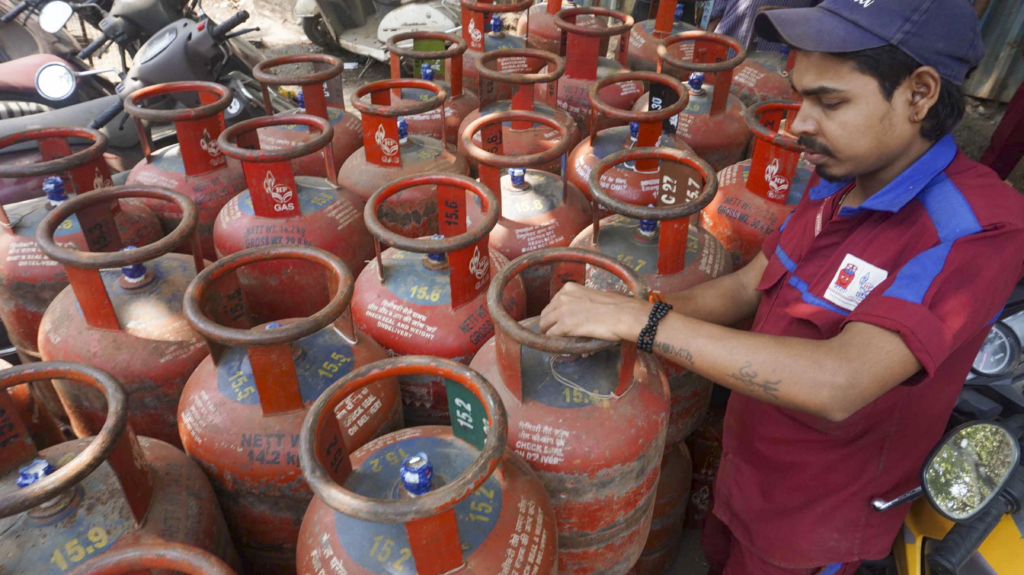
Street food vendors and small-scale food businesses operate on razor-thin margins. A ₹1,000 increase in LPG prices can significantly disrupt their daily earnings.
- Reduced profit margins
- Difficulty maintaining price competitiveness
- Risk of losing customers if prices increase
- Pressure to switch to alternative cooking methods
For many, LPG is the only feasible fuel option due to convenience and efficiency. Switching to alternatives like coal or electricity may not always be practical or cost-effective.
Although the current hike primarily affects commercial cylinders, its impact will eventually trickle down to domestic consumers.
- Higher food prices at restaurants and delivery platforms
- Increased cost of catering services
- Possible inflation in daily consumables
Even if domestic LPG prices remain stable for now, consumers will still feel the pinch through increased living costs.
Several factors contribute to the rise in LPG prices, both globally and domestically.
1. Global Crude Oil Prices
LPG prices are closely linked to crude oil rates in the international market. Any increase in global oil prices directly affects LPG costs.
2. Currency Fluctuations
A weaker rupee against the US dollar can make imports more expensive, leading to higher fuel prices in India.
3. Supply Chain Disruptions
Geopolitical tensions and disruptions in shipping routes can impact fuel supply, driving prices upward.
4. Government Policies
Changes in taxation, subsidies, or pricing mechanisms can also influence LPG rates.
The LPG price hike is expected to contribute to inflation, especially in the food sector. When cooking fuel becomes more expensive, businesses often pass on the cost to consumers.
- Rising food inflation
- Increased cost of living
- Pressure on small and medium enterprises (SMEs)
- Potential slowdown in consumer spending
Economists warn that sustained increases in fuel prices can have long-term implications for economic stability.
With LPG becoming more expensive, businesses and consumers are exploring alternative fuel options.
Possible Alternatives:
- Electric cooking appliances
- Induction stoves
- Solar-powered cooking systems
- Pipeline natural gas (PNG)
However, each alternative comes with its own set of challenges, including infrastructure requirements and initial investment costs.
So far, there has been no immediate relief announced for commercial LPG users. However, industry bodies and business associations are urging the government to consider measures such as:
- Temporary subsidies
- Tax reductions
- Price stabilization mechanisms
Any intervention could help ease the burden on businesses and prevent a sharp rise in consumer prices.
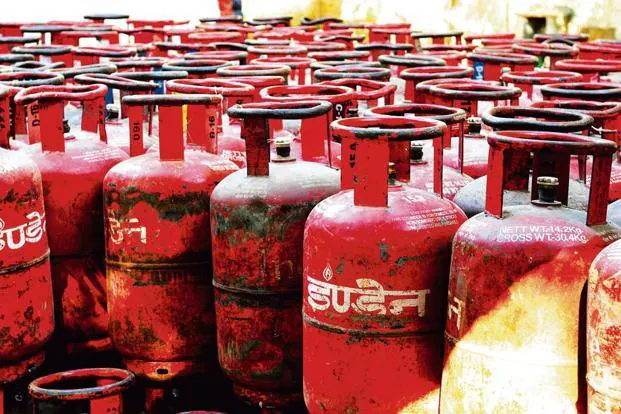
In the face of rising LPG prices, businesses need to adopt strategic measures to stay afloat.
- Optimize fuel usage
- Reduce wastage
- Re-evaluate pricing strategies
- Explore energy-efficient equipment
- Consider bulk purchasing to reduce costs
Adapting quickly to changing market conditions will be crucial for survival and growth.
The future of LPG prices depends on multiple factors, including global oil trends, geopolitical developments, and domestic policy decisions.
If prices continue to rise, it could lead to:
- Permanent changes in pricing strategies
- Increased adoption of alternative fuels
- Structural shifts in the food and hospitality industry
For now, businesses and consumers alike will need to brace for higher costs and adjust their budgets accordingly.
Read Also : Mumbai Water Alert: 30-Hour Supply Cut in 6 Wards from May 5 — 5 Urgent Things Every Mumbaikar Must Know