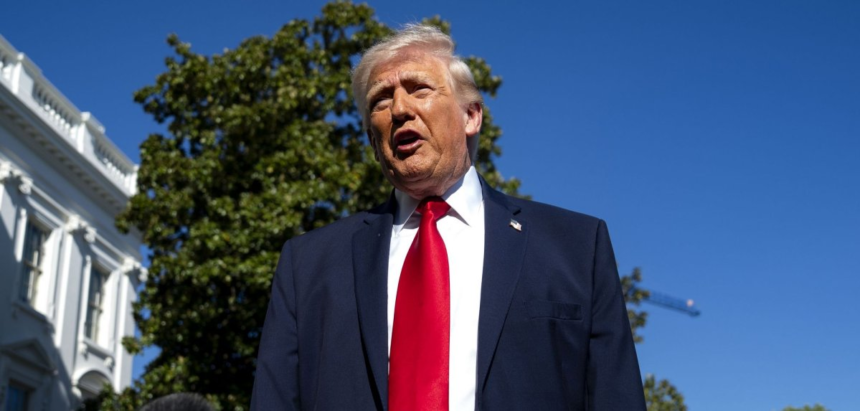
Oil Market STUNS: 0% Surge Despite Trump’s Hormuz Plan — 5 Key Reasons Prices Remain Flat
Oil prices remain flat despite Donald Trump’s plan to stabilize the Strait of Hormuz
Global oil markets are sending a clear message—uncertainty still reigns. Despite a high-profile plan proposed by Donald Trump aimed at stabilizing the critical Strait of Hormuz, oil prices have remained largely flat. This unexpected calm in the markets reflects deeper concerns that go beyond immediate political announcements.
At a time when energy prices are typically highly sensitive to geopolitical developments, the muted reaction has raised eyebrows among analysts, traders, and policymakers alike. So why are oil prices not reacting as expected? Let’s break it down.
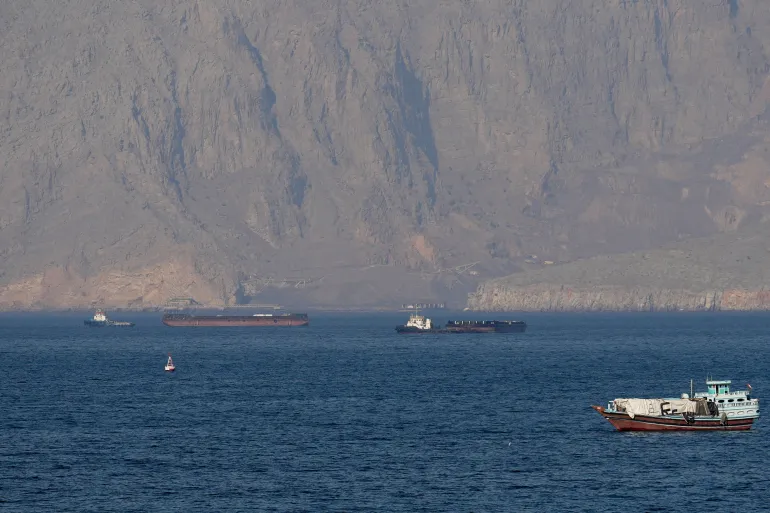
The Strait of Hormuz is one of the most critical arteries for global energy supply. Nearly 20% of the world’s oil passes through this narrow stretch of water every day.
Any disruption in this region—whether due to conflict, blockades, or political tensions—can trigger immediate spikes in oil prices. Historically, even minor incidents have led to sharp market reactions.
Given this backdrop, expectations were high that Trump’s plan to ease tensions and ensure safe passage would boost market confidence and potentially drive prices upward.
Donald Trump reportedly proposed a strategy aimed at:
- Ensuring free navigation through the Strait of Hormuz
- Reducing military tensions in the region
- Stabilizing global oil supply chains
- Reassuring international markets
While the details of the plan are still emerging, it was positioned as a major step toward preventing disruptions in global energy flows.
Despite the announcement, oil prices have remained stable, showing little to no significant movement.
- Markets are not fully convinced by the plan
- Traders are factoring in long-term risks
- Immediate supply concerns may already be priced in
This flat trend suggests that the market is adopting a “wait and watch” approach rather than reacting impulsively.
Markets tend to react strongly to events that have immediate consequences. However, Trump’s plan is seen more as a proposal rather than an actionable solution.
Without concrete implementation, traders are hesitant to adjust their positions.
The Middle East remains a volatile region. Even with a proposed plan, underlying tensions have not disappeared.
Concerns include:
- Potential escalation of conflicts
- Uncertainty about compliance by all parties
- Risk of sudden disruptions
As long as these risks persist, markets are unlikely to show strong optimism.
Oil markets are forward-looking. Many of the risks associated with the Strait of Hormuz may have already been factored into current prices.
This means that unless there is a new or unexpected development, prices may remain stable.
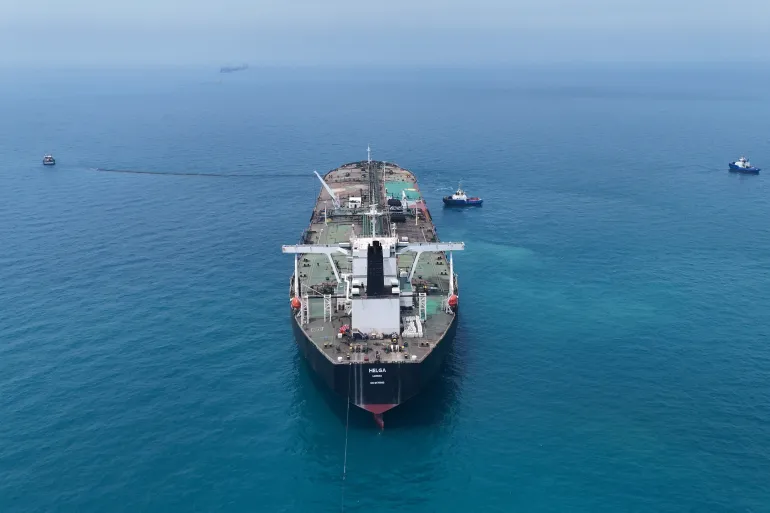
Another key factor is the overall balance between oil supply and demand.
Currently:
- Global supply remains relatively steady
- Demand growth has been moderate
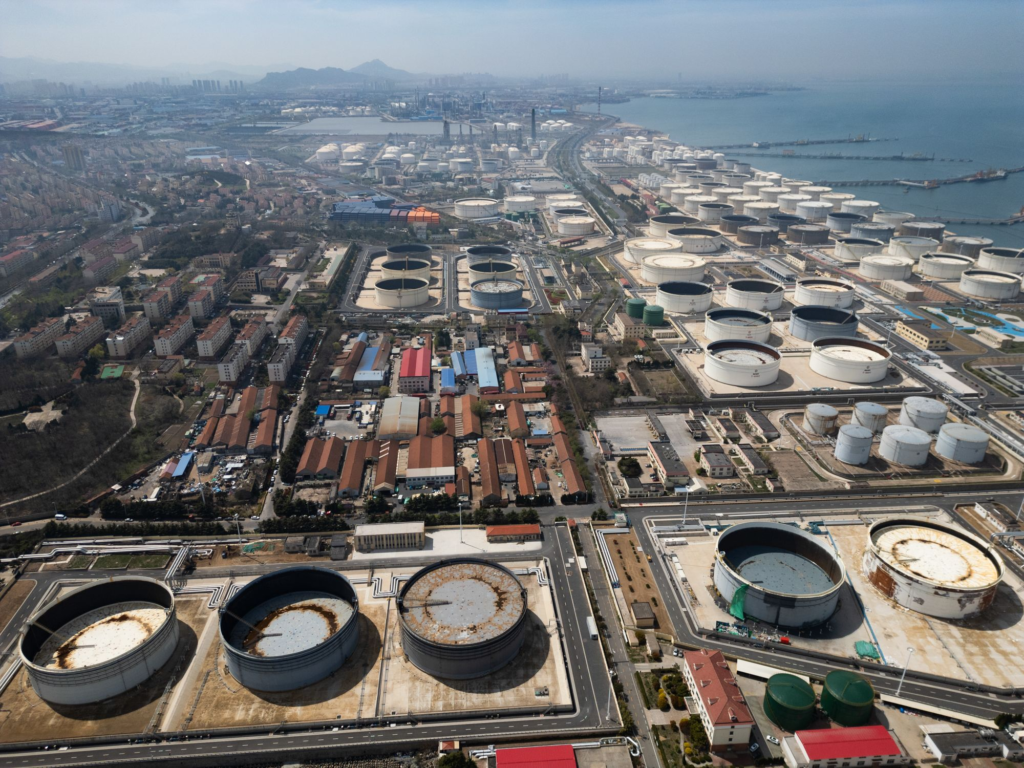
- Strategic reserves in several countries provide a buffer
This balance reduces the likelihood of sudden price spikes.
Perhaps the most significant factor is skepticism. Traders and analysts are cautious about political announcements, especially when they lack detailed execution plans.
Markets prefer:
- Clear timelines
- Verified agreements
- Tangible actions
Until these elements are present, confidence will remain limited.
The stability in oil prices has both positive and negative implications.
- Reduced pressure on inflation
- Stability in fuel prices
- Predictability for businesses
- Signals underlying uncertainty
- Reflects lack of confidence in geopolitical solutions
- Indicates potential for sudden volatility
For India, one of the world’s largest oil importers, stable oil prices offer short-term relief.
1. Controlled Fuel Prices
Flat oil prices help keep petrol, diesel, and LPG costs stable.
2. Reduced Inflation Pressure
Energy costs are a major component of inflation. Stability helps maintain economic balance.
3. Energy Security Concerns Remain
Despite stable prices, India remains vulnerable to disruptions in the Strait of Hormuz.
Market experts believe that the current situation reflects a cautious optimism mixed with skepticism.
Some analysts argue that:
- The market is waiting for concrete developments
- Any escalation could quickly reverse the trend
- Stability may not last long
Others suggest that the flat prices indicate a more mature and resilient market that does not overreact to political announcements.
While prices are currently stable, the situation remains fluid.
Possible Scenarios:
1. Positive Outcome
If Trump’s plan is successfully implemented and tensions ease, markets could stabilize further or even decline slightly.
2. Escalation of Tensions
Any conflict or disruption in the Strait of Hormuz could lead to a sharp spike in prices.
3. Status Quo
If uncertainty continues without major developments, prices may remain flat.
- Markets are becoming less reactive to political rhetoric
- Long-term fundamentals are gaining importance
- Risk assessment is more nuanced than before
This evolution reflects a more sophisticated approach to global economic challenges.