
US Emergency Alert: 1 Evacuation Flight Planned for Americans Stranded on Hantavirus-Infected Ship Amid Health Crisis
U.S. plans 1 emergency evacuation flight to rescue Americans stranded on a hantavirus-infected ship
In a rapidly unfolding public health emergency, the United States government has announced plans to organize one urgent evacuation flight to rescue American citizens stranded aboard a ship reportedly affected by a hantavirus outbreak. The alarming development has triggered global concern, as authorities scramble to contain the situation while ensuring the safety of those onboard.
The incident has brought renewed attention to the dangers of infectious diseases in confined environments, particularly maritime vessels where close contact and limited medical facilities can accelerate the spread of illness. With fears mounting, the U.S. administration has stepped in with swift action, aiming to bring its citizens home safely while preventing further transmission.
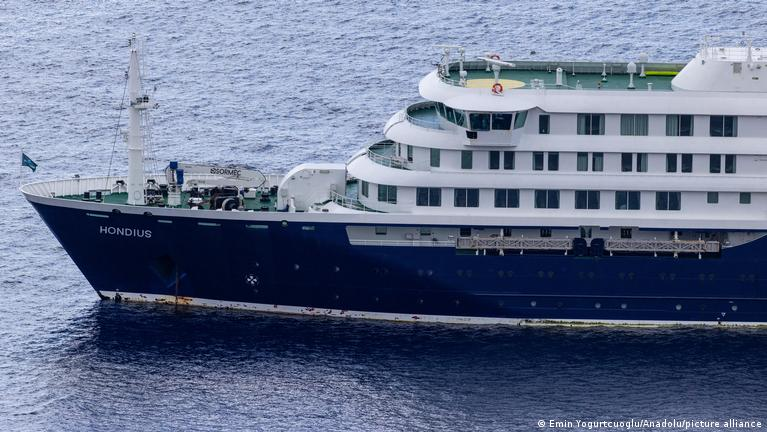
According to initial reports, several individuals aboard the ship began exhibiting symptoms consistent with hantavirus infection. These symptoms include fever, muscle aches, fatigue, and in severe cases, respiratory distress. As the number of suspected cases increased, the situation quickly escalated into a full-blown health crisis.
Medical teams onboard reportedly struggled to manage the outbreak due to limited resources and the isolated nature of the vessel. The ship, whose exact location has not been publicly disclosed for security and operational reasons, has been placed under strict quarantine protocols.
The emergence of hantavirus on a ship is particularly concerning, as the virus is typically transmitted through contact with infected rodent droppings, urine, or saliva. While human-to-human transmission is rare, the confined setting raises the risk of indirect exposure.
In response to the escalating situation, U.S. authorities have moved quickly to organize a dedicated evacuation flight. The mission is designed to safely transport American citizens from the affected ship to a secure medical facility where they can receive proper treatment and monitoring.
Officials have emphasized that the evacuation will be conducted under strict biosecurity measures. Passengers will undergo health screenings before boarding, and specialized containment procedures will be in place during the flight. Medical personnel equipped with protective gear will accompany the evacuees to ensure immediate care if needed.
The decision to deploy a single evacuation flight reflects both urgency and caution. Authorities aim to minimize exposure risks while efficiently managing logistics. The operation is being coordinated by multiple agencies, including public health experts and emergency response teams.
Hantavirus is a potentially life-threatening disease that has gained attention due to its high mortality rate in severe cases. It primarily affects the respiratory system and can lead to Hantavirus Pulmonary Syndrome (HPS), a condition that requires immediate medical intervention.
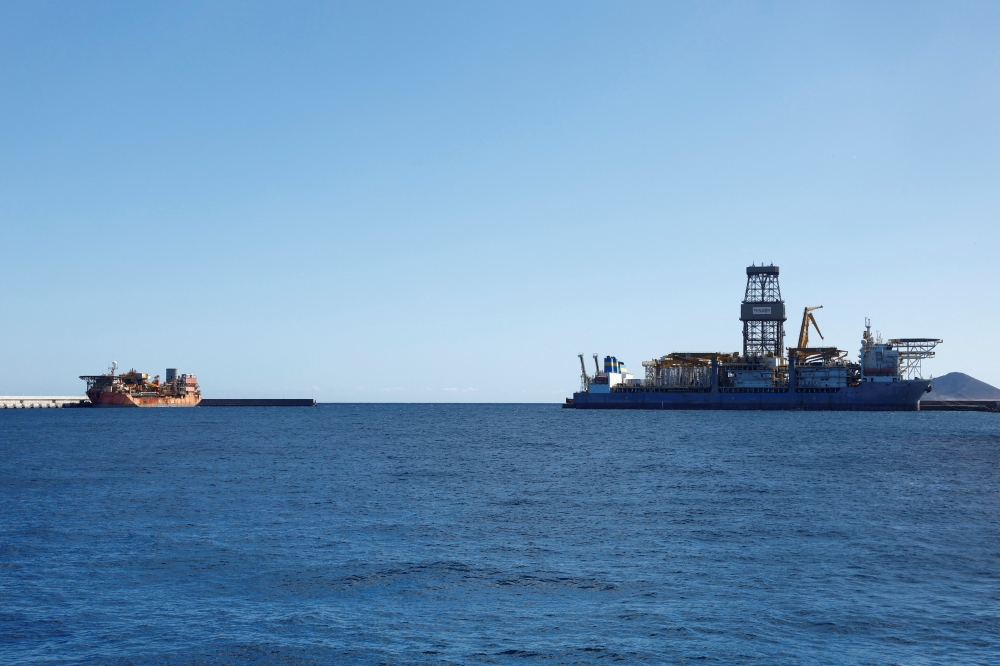
The virus is most commonly found in rural or semi-rural areas where humans may come into contact with infected rodents. However, its appearance on a ship raises questions about sanitation, storage conditions, and possible contamination sources.
Experts note that early detection and supportive care are critical in managing hantavirus infections. There is currently no specific antiviral treatment, making prevention and rapid response essential.
Handling a viral outbreak on a ship presents unique challenges. Unlike land-based facilities, ships have limited medical infrastructure and are often far from immediate assistance. Isolation of infected individuals becomes difficult, and the risk of widespread exposure increases.
In this case, authorities have implemented strict quarantine measures to contain the virus. Crew members and passengers are reportedly confined to designated areas, and sanitation protocols have been intensified.
The logistical complexity of evacuating individuals from a quarantined ship adds another layer of difficulty. From ensuring safe transport to preventing cross-contamination, every step requires meticulous planning.
The incident has sparked concern among international health organizations and governments. While hantavirus outbreaks are relatively rare, their severity makes them a significant public health threat.
Experts are closely monitoring the situation to assess potential risks to other regions. Ports and maritime authorities worldwide have been alerted, and precautionary measures are being reinforced to prevent similar incidents.
The event also highlights the importance of global cooperation in managing health crises. Information sharing, rapid response, and coordinated efforts are crucial in mitigating the impact of such outbreaks.
For the families of those stranded on the ship, the evacuation plan brings a sense of relief mixed with anxiety. Many have been closely following updates, hoping for the safe return of their loved ones.
Authorities have assured families that every precaution is being taken to ensure the well-being of evacuees. Communication channels have been established to provide regular updates and address concerns.
The emotional toll of the situation cannot be overlooked. Being isolated on a quarantined ship during a health crisis can be a distressing experience, underscoring the importance of psychological support alongside medical care.
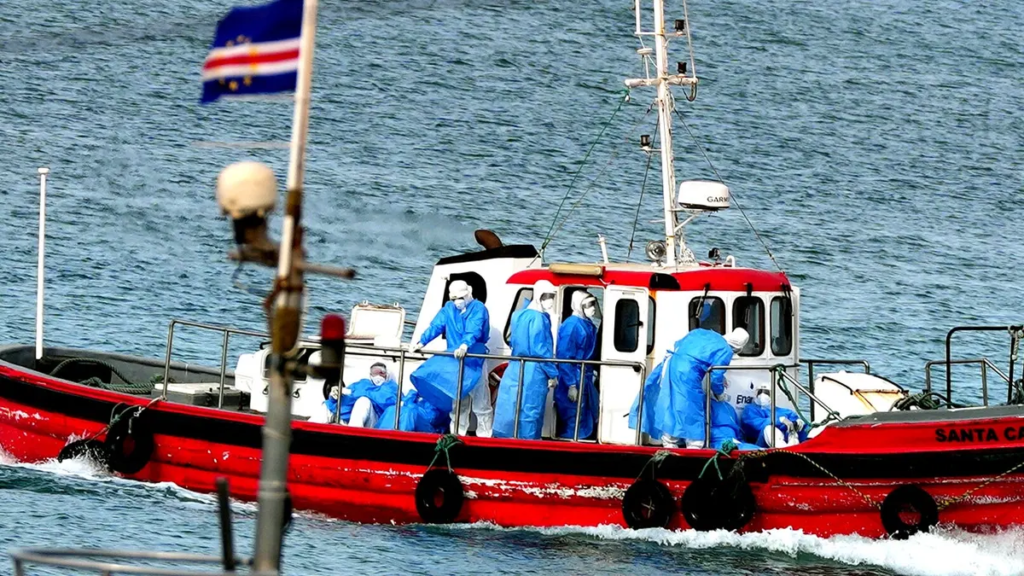
Once the evacuation flight is completed, the rescued individuals will be transported to designated medical facilities for further evaluation. They are expected to undergo quarantine and continuous monitoring to detect any signs of infection.
Health officials will conduct thorough screenings and may implement additional testing protocols. The goal is to ensure that any potential cases are identified and treated promptly, preventing further spread.
The ship itself will remain under quarantine until it is deemed safe by health authorities. Investigations are likely to be carried out to determine the source of the outbreak and identify any lapses in safety protocols.
This incident serves as a stark reminder of the vulnerabilities associated with infectious diseases in confined environments. It underscores the need for robust health and safety measures, particularly in industries involving travel and transportation.
Enhanced sanitation practices, regular inspections, and emergency preparedness plans are essential in preventing similar situations. The role of early detection and rapid response cannot be overstated.
For governments and organizations, the crisis highlights the importance of readiness and coordination. The swift action taken by U.S. authorities demonstrates the value of proactive measures in protecting citizens.
As the situation continues to evolve, more details are expected to emerge. Authorities are likely to provide updates on the evacuation process, the condition of evacuees, and the status of the ship.
For now, the focus remains on ensuring the safety of those affected and preventing further spread of the virus. The coming days will be critical in determining the outcome of this high-stakes operation.
Read Also : West Bengal Shocker: 1st BJP CM! Suvendu Adhikari Takes Oath Along With 5 MLAs in Historic Power Shift