Ayodhya Shocker: 100+ Lawyers Refuse to Represent Ram Temple Embezzlement Accused
Ayodhya lawyers have reportedly refused to represent the accused in the Ram Temple embezzlement case, triggering a major legal and political controversy
A major controversy has emerged in Ayodhya after the Faizabad Bar Association resolved that none of its members would represent the eight individuals accused in the alleged embezzlement of donations made to the Ram Temple. The decision, taken during a general body meeting, has intensified public attention on the ongoing investigation while also triggering a wider debate over legal ethics, constitutional rights, and the responsibilities of lawyers.
The Bar Association’s resolution comes amid a high-profile probe into alleged financial irregularities involving donations collected at the Ram Temple. Police have arrested eight accused, and the investigation has expanded to include scrutiny of financial transactions and bank records.
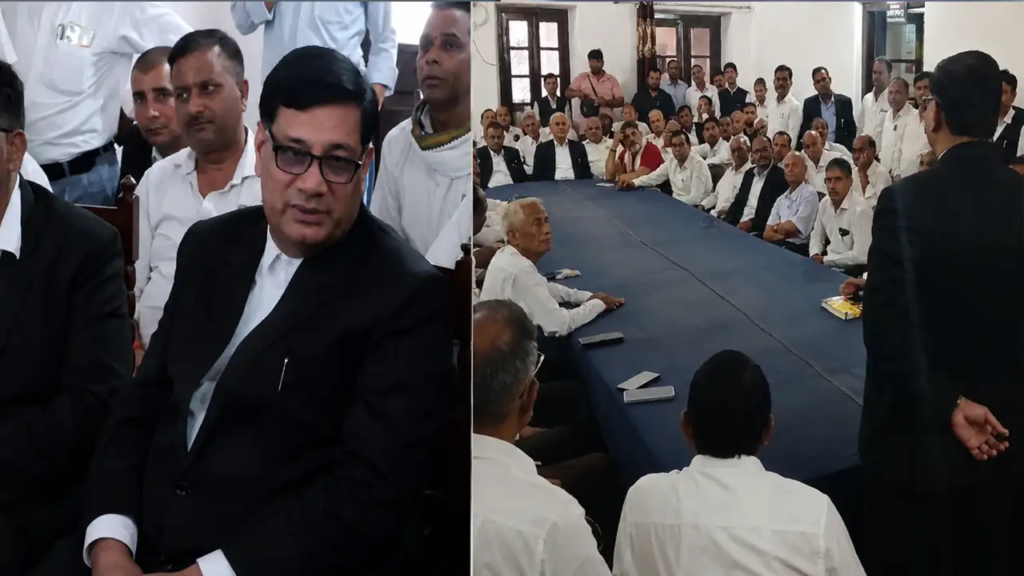
The Faizabad Bar Association announced that none of its members would provide legal representation to the eight accused arrested in the alleged donation embezzlement case.
According to reports, the association also decided that any member who chooses to appear on behalf of the accused would face a penalty of ₹5 lakh. Association leaders said the decision reflected the sentiments of many lawyers who believe the alleged misuse of temple donations has deeply hurt public faith.
The association further demanded strict action against those responsible and called for a thorough investigation into the matter. Some resolutions reportedly also sought action against senior temple management officials and demanded a wider probe into the alleged financial irregularities.
The controversy revolves around allegations that donations made by devotees at the Ram Temple in Ayodhya were misappropriated.
Following complaints and preliminary findings, Uttar Pradesh authorities registered a case and arrested eight individuals allegedly linked to the handling of temple donations.
The investigation has since widened, with police seeking financial records spanning five years from seven banks connected to the accused and the temple trust as investigators attempt to trace the movement of funds.
Authorities have emphasized that the investigation is continuing and that all allegations will be examined through the legal process.
The probe has become increasingly comprehensive.
Investigators are examining bank statements, donation records, electronic transactions, CCTV footage, and other documentary evidence to determine whether funds were diverted or misused.
Officials are also scrutinizing banking procedures, and reports indicate that certain bank officials are under examination as part of the broader investigation.
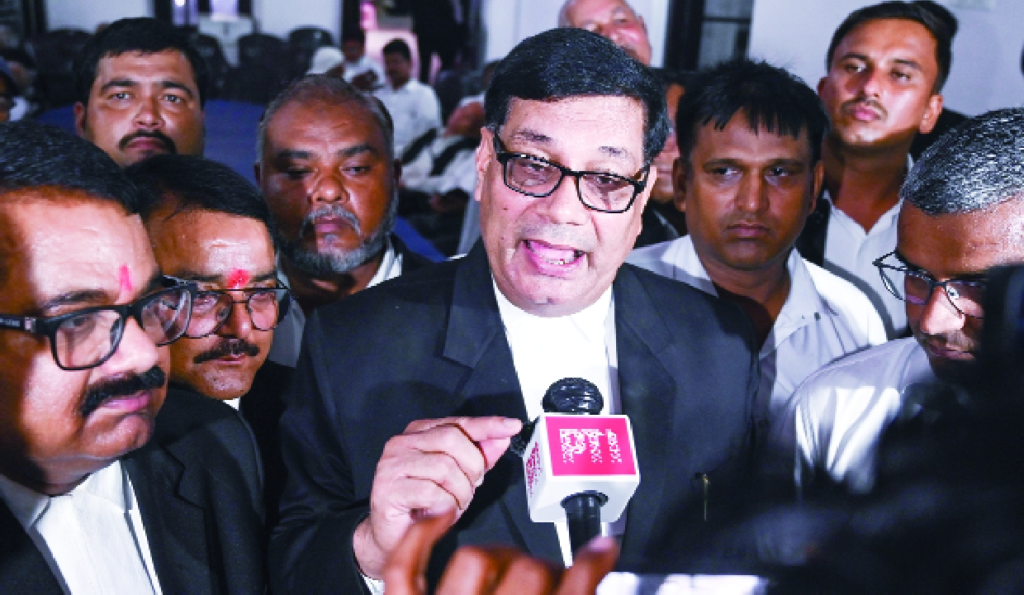
Police say the objective is to establish the complete financial trail before filing further charges, if warranted.
A local court has remanded the eight accused to 14 days of judicial custody while investigators continue gathering evidence.
The custody period allows investigators to complete financial analysis, record witness statements, and examine documentary evidence collected during the investigation.
Officials have not ruled out further arrests if additional evidence emerges during the course of the probe.
The alleged misuse of donations has generated strong emotions in Ayodhya, where the Ram Temple holds profound religious significance for millions of devotees.
Many local residents have expressed disappointment over allegations involving money donated by worshippers.
Members of the Bar Association stated that their decision reflected these sentiments and their belief that the alleged offence had damaged public trust.
At the same time, legal experts caution that public anger should remain separate from the judicial process, which is designed to determine guilt or innocence based on evidence presented in court.
The Bar Association’s resolution has sparked an important legal debate.
Under Indian law, every accused person has the right to legal representation and a fair trial.
Legal experts point out that while an individual advocate may decline a brief under certain circumstances, blanket resolutions by bar associations preventing members from representing particular accused persons have repeatedly been criticized by courts.
The Supreme Court has, in earlier judgments, observed that such collective resolutions are inconsistent with constitutional principles and the professional duties of advocates.
If no local lawyer is willing to appear, courts may appoint legal aid counsel to ensure that the accused receive representation and that the trial proceeds fairly.
The alleged donation embezzlement has also become a political issue.
Opposition parties have demanded greater transparency in the management of temple donations and called for independent investigations.
Some leaders have sought a court-monitored or independent inquiry, arguing that public confidence requires a transparent examination of the allegations.
Meanwhile, supporters of the temple trust have urged people not to draw conclusions before the investigation is completed and have appealed for patience while the legal process unfolds.
The Ram Temple is one of India’s most significant religious and cultural landmarks.
Millions of devotees from across the country and abroad have contributed donations over the years.
Because of the temple’s national importance, any allegation involving donation management naturally attracts widespread attention and intense public scrutiny.
Observers note that the outcome of the investigation could influence future governance practices for major religious institutions handling large public donations.
The case has renewed discussions about transparency in the administration of charitable and religious institutions.
Experts suggest that regular audits, digital accounting systems, independent oversight, and timely public disclosure of financial information can strengthen donor confidence.
Many religious organizations already publish audited reports voluntarily, and governance specialists argue that similar practices can help prevent misunderstandings and reinforce accountability.
The investigation is expected to continue over the coming weeks.
Authorities are likely to complete forensic examination of financial records, question additional witnesses, and analyze electronic evidence before filing a final report.

If sufficient evidence is found, prosecutors may proceed with formal charges against those involved. Conversely, if allegations cannot be substantiated, the legal process will determine the appropriate outcome.
The courts will ultimately decide the case based solely on evidence presented during judicial proceedings.
Read Also : Australian Man Arrested After Thai Teen Girl Found Dead in Suitcase: 7 Shocking Details Revealed