India-Japan Summit 2026 LIVE: 10 Big Announcements as Japan Eyes Massive Investments in India, Says Piyush Goyal
Follow the latest India-Japan Summit 2026 LIVE updates as Commerce Minister Piyush Goyal says Japan is focused on increasing investments in India
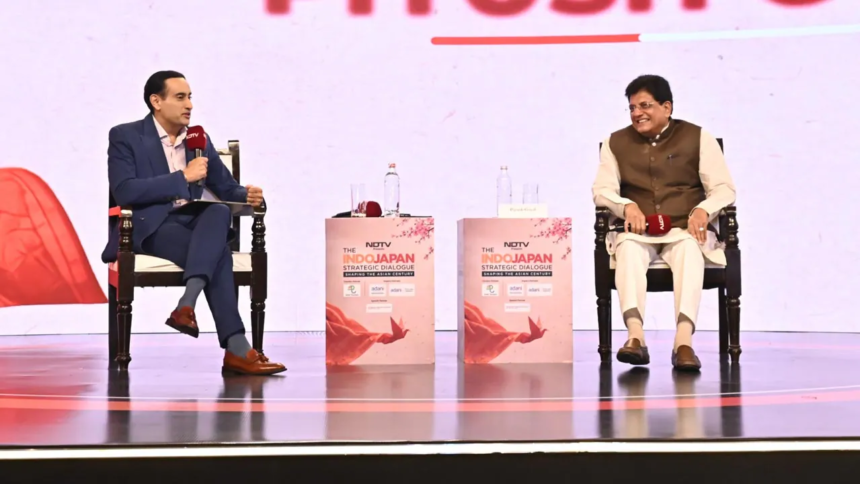
India and Japan reaffirmed their commitment to strengthening economic, strategic, and technological cooperation during the 16th India-Japan Annual Summit 2026, with Union Commerce and Industry Minister Piyush Goyal emphasizing that Japan remains strongly focused on expanding investments in India. His remarks came during the Indo-Japan Strategic Dialogue, where policymakers, diplomats, business leaders, and industry experts discussed the future of one of Asia’s most important partnerships.
The summit reflects the growing depth of India-Japan relations, extending beyond traditional infrastructure projects into emerging sectors such as artificial intelligence (AI), semiconductors, clean energy, critical minerals, advanced manufacturing, digital technologies, and supply-chain resilience. Both countries also reiterated their shared vision for a free, open, and prosperous Indo-Pacific.
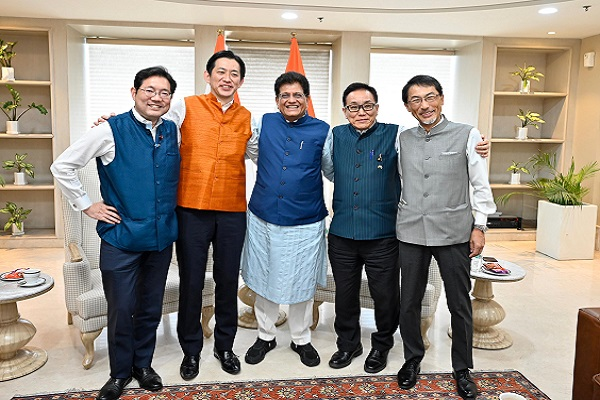
Addressing the dialogue, Piyush Goyal said Japan continues to view India as one of its most promising long-term investment destinations. He highlighted India’s sustained economic growth, policy reforms, expanding manufacturing ecosystem, and improving ease of doing business as major factors attracting Japanese companies.
According to the minister, Japanese businesses are increasingly looking beyond conventional sectors and are exploring opportunities in advanced manufacturing, electronics, renewable energy, logistics, digital infrastructure, and innovation-driven industries.
He also noted that India and Japan have built a relationship based on mutual trust, democratic values, and long-term strategic interests, making the partnership resilient despite global economic uncertainties.
Economic cooperation emerged as one of the central themes of the summit.
Both governments discussed measures to further improve bilateral trade, encourage investments, strengthen industrial cooperation, and create new opportunities for businesses from both countries.
Officials explored ways to:
- Increase Japanese investment in India.
- Expand manufacturing partnerships.
- Improve supply-chain resilience.
- Promote technology transfer.
- Enhance cooperation between small and medium enterprises.
- Facilitate greater private-sector collaboration.
The discussions reflected a shared objective of making bilateral economic ties more diversified and future-ready.
Technology cooperation has become one of the fastest-growing pillars of the India-Japan relationship.
The summit focused on collaboration in:
- Artificial Intelligence (AI).
- Semiconductor manufacturing.
- Critical minerals.
- Digital infrastructure.
- Clean energy technologies.
- Smart manufacturing.
- Robotics and automation.
Both countries recognize that closer cooperation in these sectors can strengthen economic security while reducing dependence on vulnerable global supply chains.
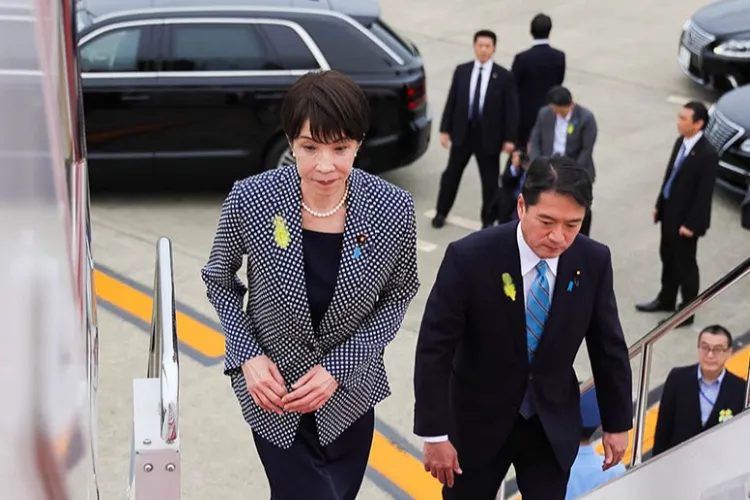
Recent global disruptions have highlighted the importance of resilient supply chains.
India and Japan discussed expanding cooperation to diversify sourcing networks, improve logistics, and strengthen industrial production in strategic sectors.
Officials believe that stronger India-Japan industrial partnerships can contribute to more reliable regional and global supply chains while supporting manufacturing growth in both countries.
Infrastructure remains one of the most visible examples of India-Japan cooperation.
Japan has been a long-standing partner in financing and supporting major infrastructure projects in India, including metro rail systems, industrial corridors, freight corridors, and the Mumbai–Ahmedabad High-Speed Rail project.
During the dialogue, Piyush Goyal said the bullet train project is progressing again after earlier delays, describing it as a symbol of the long-term strategic partnership between the two countries.
Piyush Goyal reiterated that Japan remains an important pillar of India’s Act East Policy.
He also emphasized cooperation under the Quad framework and highlighted the shared commitment of both countries to maintaining peace, stability, and freedom of navigation across the Indo-Pacific region.
The leaders agreed that stronger strategic coordination would benefit not only India and Japan but also the wider region.
The summit included participation from leading policymakers, diplomats, and business executives.
Industry representatives discussed investment opportunities in:
- Automotive manufacturing.
- Electronics.
- Renewable energy.
- Digital services.
- Healthcare.
- Financial services.
- Innovation and startups.
Business leaders emphasized that India’s large consumer market, skilled workforce, and improving infrastructure continue to make the country an attractive destination for Japanese investment.
Clean energy cooperation featured prominently during discussions.
India and Japan are exploring partnerships in:
- Green hydrogen.
- Battery technology.
- Electric mobility.
- Energy-efficient manufacturing.
- Carbon reduction technologies.
Both governments see clean energy collaboration as essential for achieving sustainable growth while addressing climate-related challenges.
Beyond economics, the summit highlighted the importance of educational exchanges, tourism, cultural cooperation, and workforce mobility.
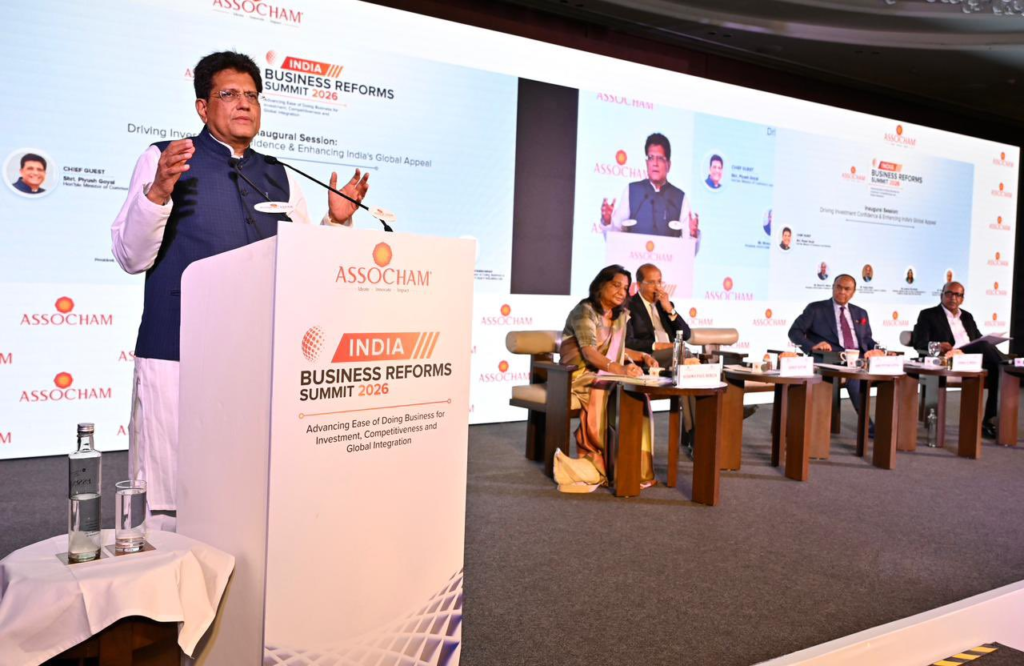
Officials discussed increasing student exchanges, promoting language learning, expanding skill-development initiatives, and encouraging greater collaboration between universities and research institutions.
These efforts are expected to strengthen long-term people-to-people connections that complement strategic and economic ties.
India and Japan are among Asia’s largest economies and share interests in economic growth, technological advancement, and regional stability.
Their partnership has evolved from infrastructure-focused cooperation into a broader strategic relationship covering trade, investment, defence dialogue, technology, energy, and innovation.
Analysts believe that continued Japanese investment can support India’s manufacturing ambitions while providing Japanese companies with access to one of the world’s fastest-growing major markets.
The summit is expected to pave the way for additional agreements, business partnerships, and collaborative initiatives in the coming months.
Both governments indicated that they would continue working together to:
- Increase bilateral trade.
- Promote investment.
- Advance technology partnerships.
- Strengthen supply chains.
- Deepen strategic cooperation.
- Support innovation and sustainable development.
Observers believe that these initiatives could further elevate the India-Japan Special Strategic and Global Partnership in the years ahead.
Read Also : Strait of Hormuz Reopens: Global Shipping Traffic Surges Again After 7 Days of Tension