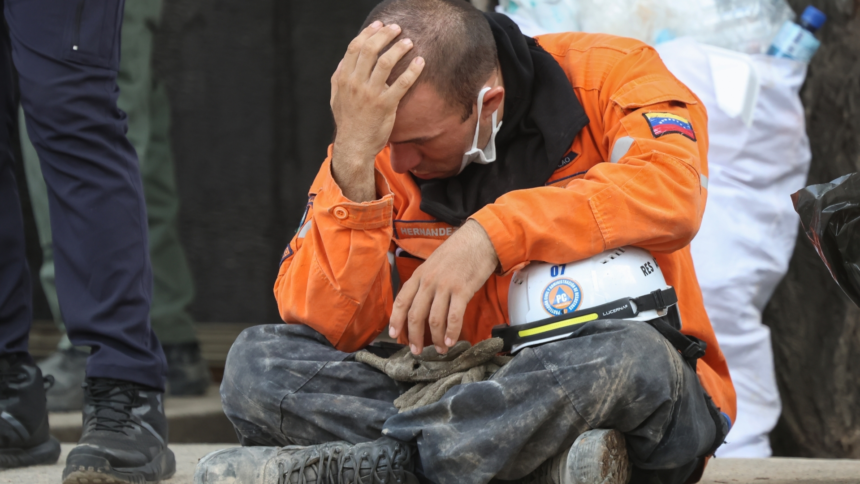
Venezuela Earthquake Crisis: 7 Shocking Realities as Aid Workers Warn of Looming Health Disaster
Venezuela is facing a worsening humanitarian emergency after devastating earthquakes, with aid workers warning of a looming health crisis
More than a week after Venezuela was struck by two devastating earthquakes, the focus is gradually shifting from search-and-rescue operations to an escalating public health emergency. Aid workers, doctors, and humanitarian organizations say the conditions in some of the country’s hardest-hit areas resemble a “war zone,” with damaged hospitals, overcrowded shelters, limited access to clean water, and growing fears of infectious disease outbreaks.
Although rescue teams continue searching for survivors beneath collapsed buildings, medical experts warn that untreated injuries, poor sanitation, and overstretched healthcare facilities could trigger a second humanitarian disaster if urgent intervention is delayed. International relief agencies have expanded their operations, but they caution that the scale of destruction has overwhelmed existing resources.
The twin earthquakes caused widespread destruction across northern Venezuela, flattening residential buildings, damaging hospitals, schools, roads, and public infrastructure.
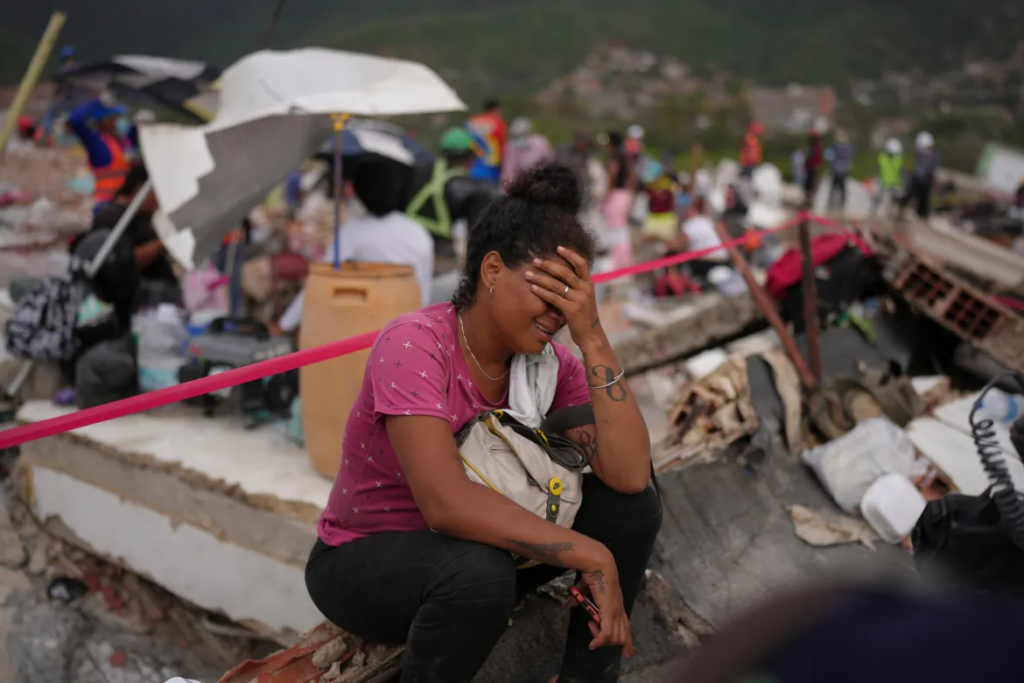
According to official figures, the disaster has claimed more than 2,200 lives, injured over 11,000 people, and displaced thousands of families. Many people remain missing, while rescue teams continue searching through unstable rubble despite the increasing risk posed by aftershocks.
Emergency responders say that although miraculous rescues are still occurring, the humanitarian response is now increasingly focused on helping survivors who have lost their homes and access to essential services.
Humanitarian workers operating in La Guaira and other severely affected regions have described scenes of widespread destruction comparable to areas affected by armed conflict.
Collapsed buildings, damaged roads, destroyed public utilities, and makeshift shelters have dramatically changed the landscape. Volunteers report that thousands of families are sleeping outdoors or in temporary camps because their homes are unsafe.
Aid workers say the immediate concern is no longer only rescuing survivors but preventing disease outbreaks among displaced communities. Overcrowded shelters, inadequate sanitation facilities, and shortages of safe drinking water are creating ideal conditions for infectious illnesses to spread.
The earthquakes have placed enormous strain on Venezuela’s already fragile healthcare system.
According to the World Health Organization (WHO), several hospitals suffered structural damage, while others remain operational only with limited capacity. Medical facilities continue treating large numbers of trauma patients despite shortages of equipment, medicines, electricity, and trained personnel.
Healthcare workers are also dealing with growing surgical backlogs as thousands of injured survivors require emergency treatment, follow-up care, and rehabilitation.
Medical professionals say the shortage of specialists—including maternity care providers in some affected regions—has further complicated emergency medical services.
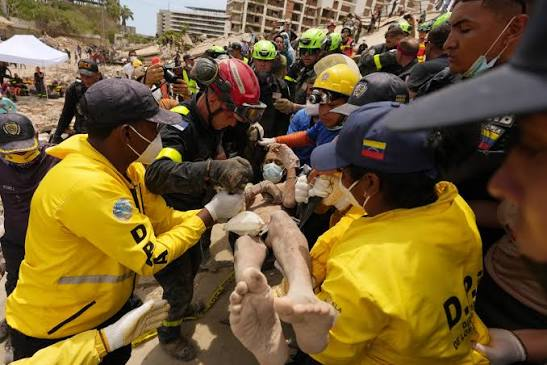
Doctors believe the greatest threat now facing survivors is the spread of infectious diseases.
Thousands of displaced people remain in crowded shelters where access to clean water, sanitation facilities, and hygiene supplies is limited. These conditions increase the risk of diarrhoeal diseases and other infections. Health authorities have also expressed concern about mosquito-borne illnesses such as dengue and yellow fever because stagnant water and disrupted public health services can contribute to increased transmission.
Medical teams are prioritizing vaccination efforts, disease surveillance, and improvements in sanitation wherever possible.
Doctors working in emergency departments say they continue treating patients with crush injuries, fractures, infected wounds, dehydration, and chronic medical conditions that have worsened because regular healthcare services were interrupted.
Medical supplies remain limited in several hospitals, forcing healthcare workers to prioritize the most critical cases.
Aid organizations have called for additional international assistance to supply medicines, surgical equipment, generators, clean water systems, and mobile medical units.
The international response has grown steadily in recent days.
The United States has announced hundreds of millions of dollars in humanitarian assistance and deployed personnel to support logistics and relief operations. International rescue teams from dozens of countries have also arrived with specialized equipment, medical staff, and engineering support.
India has contributed through Operation Amistad, establishing a field hospital that has treated earthquake survivors requiring emergency care. United Nations agencies, the European Union, and numerous humanitarian organizations continue coordinating relief efforts.
Relief agencies emphasize that restoring access to clean drinking water and improving shelter conditions are now among the highest priorities.
Many displaced families continue living under temporary tents, in schools, sports facilities, and other emergency shelters. Aid workers are requesting portable sanitation facilities, water purification systems, hygiene kits, and additional shelter materials to reduce health risks.
Experts warn that prolonged overcrowding could accelerate the spread of communicable diseases unless living conditions improve quickly.
Local communities have played an important role throughout the disaster response.
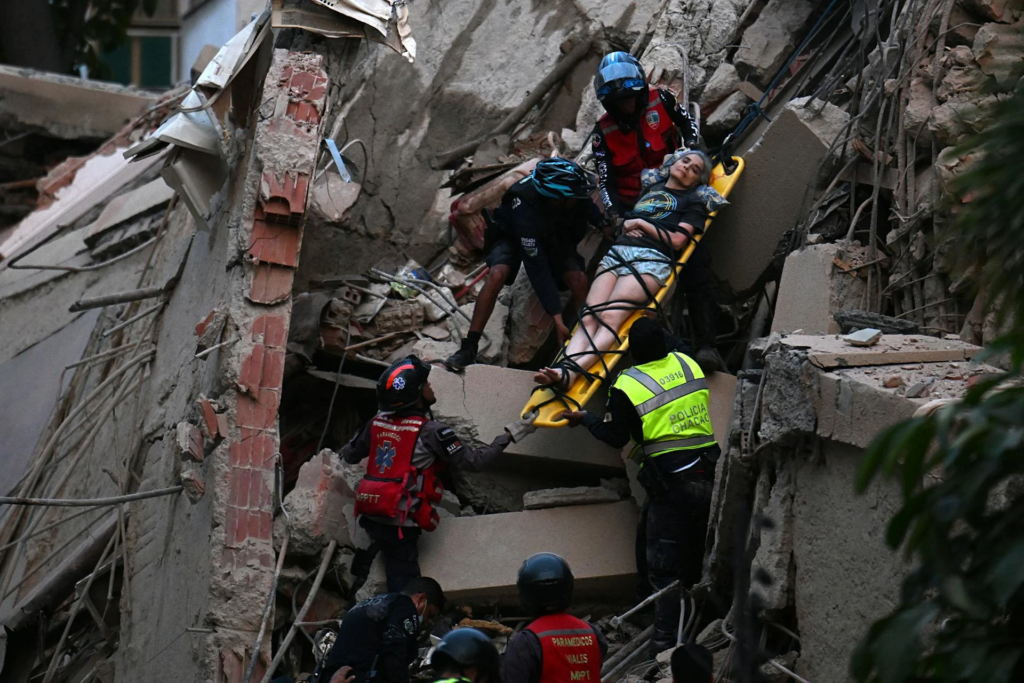
Residents, volunteers, and community organizations were among the first to begin rescue efforts immediately after the earthquakes, often using basic tools before professional rescue teams arrived.
These volunteer networks continue distributing food, water, clothing, and emergency supplies while assisting displaced families and supporting search operations.
Experts believe Venezuela faces years of reconstruction.
Thousands of homes, hospitals, schools, transportation networks, and public utilities require major repairs or complete rebuilding. The healthcare system will also need sustained investment to restore damaged facilities and replace critical equipment.
Humanitarian agencies stress that recovery will require continued international cooperation, financial support, and long-term planning extending well beyond the current emergency phase.
Although rescue efforts continue, medical professionals warn that preventing a wider health emergency must now become the central priority.
Expanding medical services, restoring sanitation, improving access to clean water, strengthening disease surveillance, and supporting displaced families will be essential over the coming weeks.
Relief organizations also emphasize the importance of maintaining international assistance as Venezuela transitions from emergency response to recovery.