Bangladesh Holds Elections on Thursday: 10 Key Things Voters Must Know
Bangladesh holds national elections on Thursday. Get the latest updates on voting, key parties, candidates, security measures, and election impact
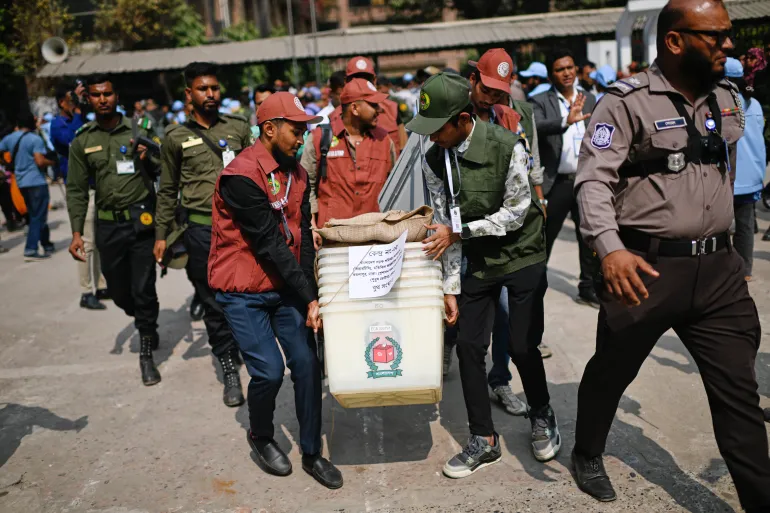
Bangladesh is set to hold national elections on Thursday, marking a pivotal moment in the country’s political journey as millions of voters prepare to cast their ballots. The election is expected to determine the future leadership, governance direction, and political stability of the South Asian nation, drawing significant domestic and international attention.
With political tensions high, strict security measures in place, and major parties competing for power, the Bangladesh elections represent one of the most consequential democratic exercises in recent years.
This article provides a comprehensive overview of the election, including key political players, voting arrangements, major issues, security preparations, public sentiment, and what the outcome could mean for Bangladesh’s future.
Elections in Bangladesh play a crucial role in shaping economic policy, governance reforms, foreign relations, and social stability. With the country facing challenges such as inflation, unemployment, political polarization, and governance concerns, voters are expected to prioritize leadership that promises stability, economic growth, and democratic accountability.
The Thursday election will determine:
- The composition of the national parliament
- The formation of the next government
- The direction of economic and social policies
- Bangladesh’s global diplomatic standing
Several major political parties are contesting the election, with competition largely centered around Bangladesh’s traditional political rivals.
Awami League (AL)
The ruling Awami League, led by Prime Minister Sheikh Hasina, is seeking another term in power. The party highlights its achievements in:
- Economic development
- Infrastructure expansion
- Poverty reduction
- Digital transformation
Supporters credit the government with modernizing the economy, while critics accuse it of authoritarian tendencies and limiting political opposition.
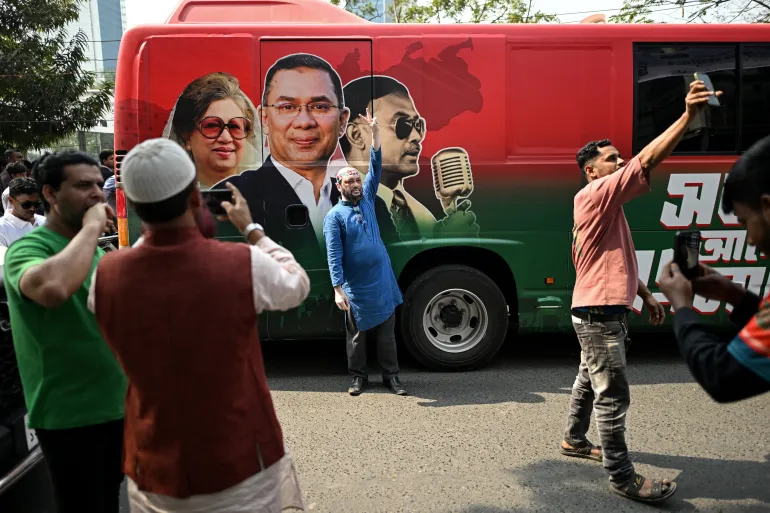
The main opposition Bangladesh Nationalist Party (BNP), historically led by Khaleda Zia, has been vocal in its criticism of the ruling government, raising concerns about:
- Election transparency
- Rising cost of living
- Democratic freedoms
BNP supporters argue that the election should ensure fair competition and credible electoral processes.
Other Parties and Independents
Several smaller political parties and independent candidates are also contesting seats, hoping to gain representation in parliament and influence national policy.
As Bangladesh heads to the polls, voters are focusing on several key national concerns, including:
1. Economic Stability and Inflation
Rising prices of essential goods and fuel have impacted household budgets. Many voters want leadership that can control inflation and strengthen economic resilience.
2. Employment and Youth Opportunities
With a large youth population, job creation and skill development remain top priorities, especially among first-time voters.
3. Governance and Corruption
Public discourse continues around transparency, accountability, and institutional reforms.
4. Human Rights and Democratic Freedoms
Civil society groups and international observers are closely watching issues related to freedom of expression, political participation, and media independence.
5. Infrastructure and Development
Large-scale infrastructure projects, including transport, energy, and digital initiatives, remain a key talking point.
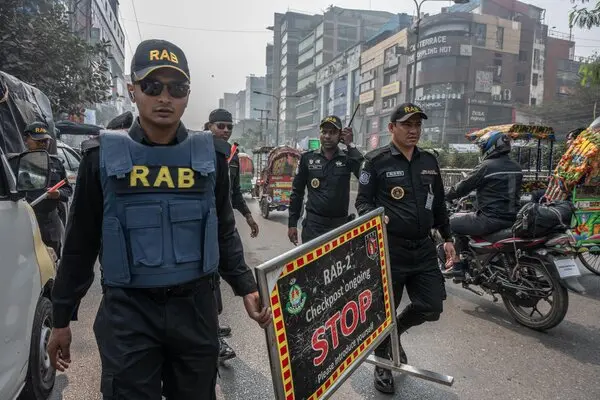
To ensure a peaceful and fair election, Bangladeshi authorities have deployed extensive security arrangements, including:
- Police and paramilitary forces stationed at polling centers
- Surveillance and monitoring of sensitive areas
- Strict enforcement of election laws and codes of conduct
- Rapid-response teams to manage any unrest or disruptions
The Election Commission has stated that all logistical preparations are complete and that measures are in place to prevent violence, voter intimidation, and fraud.
On Thursday, polling stations across Bangladesh will open early to accommodate millions of registered voters.
Key Voting Details:
- Polling booths set up in urban and rural regions
- Identification checks to ensure eligible voting
- Ballot secrecy measures to protect voter privacy
- Special provisions for elderly and disabled voters
Authorities have urged citizens to vote peacefully and participate in the democratic process responsibly.
Public opinion remains divided, reflecting Bangladesh’s deep political polarization.
Supporters of the Ruling Party Say:
- The government has delivered economic growth and development
- Stability is necessary to attract investment and ensure progress
Opposition Supporters Argue:
- Democratic reforms are needed
- Elections must be free, fair, and competitive
Many undecided voters are focused on economic relief, governance quality, and leadership credibility.
The Bangladesh election has drawn global attention, with international organizations, foreign governments, and election observers monitoring the process.
Key global stakeholders are interested in:
- Bangladesh’s democratic credibility
- Stability in the South Asian region
- The country’s role in trade, climate action, and global supply chains
Foreign diplomats have urged for a peaceful, transparent, and inclusive election.
Political parties have heavily relied on traditional media, social media, and digital outreach to mobilize voters.
Campaign strategies include:
- Televised rallies and debates
- Social media messaging targeting young voters
- Door-to-door outreach in rural communities
Authorities have also warned against misinformation and fake news, emphasizing the importance of verified information.
Political analysts suggest several possible outcomes following Thursday’s vote:
1. Ruling Party Retains Power
If the Awami League secures a strong mandate, it could continue implementing its development agenda, though it may face ongoing criticism from opposition groups.
2. Opposition Gains Significant Ground
A strong showing by the BNP or opposition alliances could reshape parliamentary dynamics and increase pressure for political reforms.
3. Fragmented Parliament
If no party secures a clear majority, coalition negotiations may become necessary, potentially leading to political uncertainty.
The election result could influence:
- Foreign investment confidence
- Policy direction on trade and manufacturing
- Government spending on social welfare and infrastructure
Markets and business communities are closely watching the election for signals of policy continuity or change.
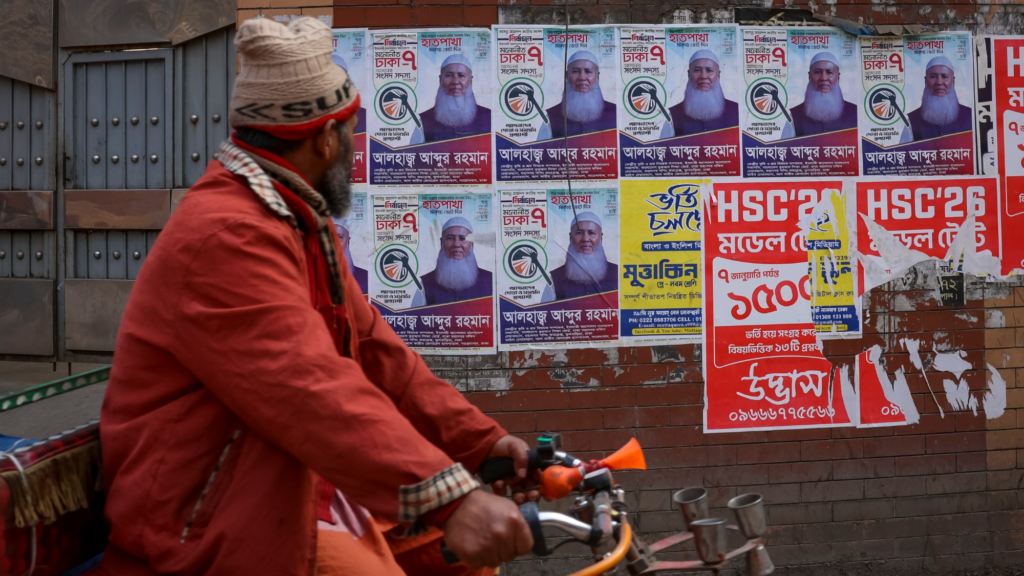
The election highlights broader challenges, including:
- Ensuring free and fair electoral processes
- Reducing political violence and polarization
- Strengthening independent institutions
- Building public trust in governance
Experts believe that the credibility of the election will significantly shape Bangladesh’s democratic future.
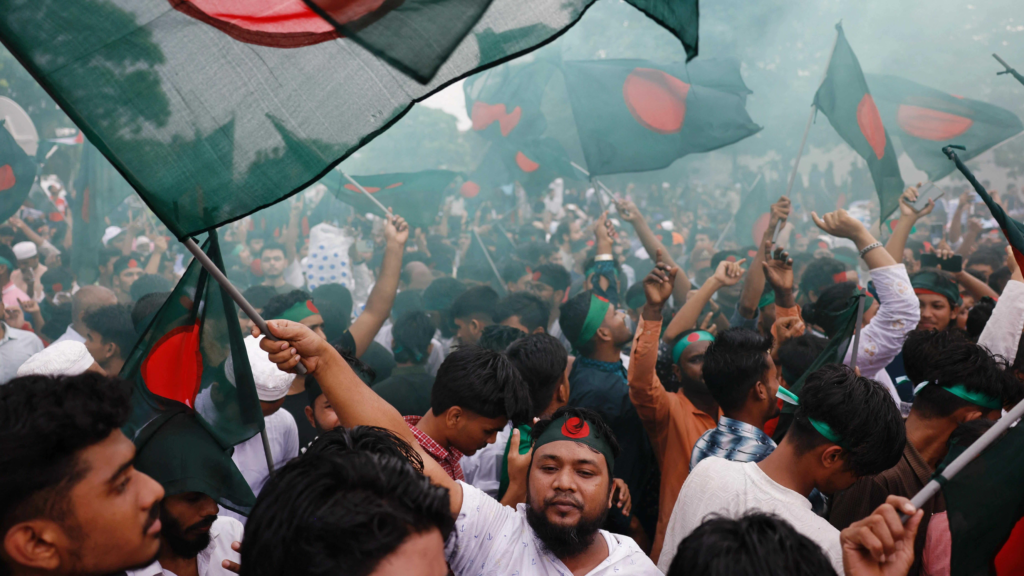
Many Bangladeshi citizens see the election as a chance to influence the nation’s direction.
This election will decide the future of our children,” said a young voter in Dhaka.
“We want economic stability and honest leadership,” added a business owner.
“Peaceful voting is essential for the country’s progress,” noted a civil society activist.
Once voting concludes:
- Ballots will be counted under Election Commission supervision
- Results are expected within hours to days, depending on regions
- The winning party or coalition will form the next government
Observers will closely monitor the post-election environment, including public reactions and political responses.
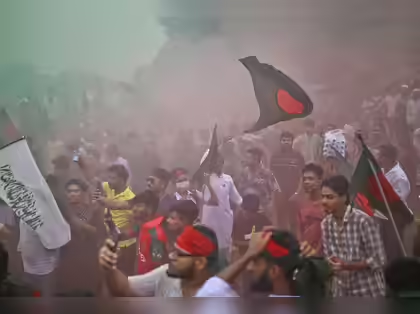
The Bangladesh elections on Thursday represent more than just a routine democratic exercise — they mark a critical moment in the nation’s political evolution.
The vote will influence:
- Leadership legitimacy
- Policy direction
- Economic confidence
- Bangladesh’s global reputation
Regardless of the outcome, the election is expected to shape national discourse for years to come.
Read Also : Canada School Shooting Horror: 10 Dead, Including Woman Shooter — Full Details