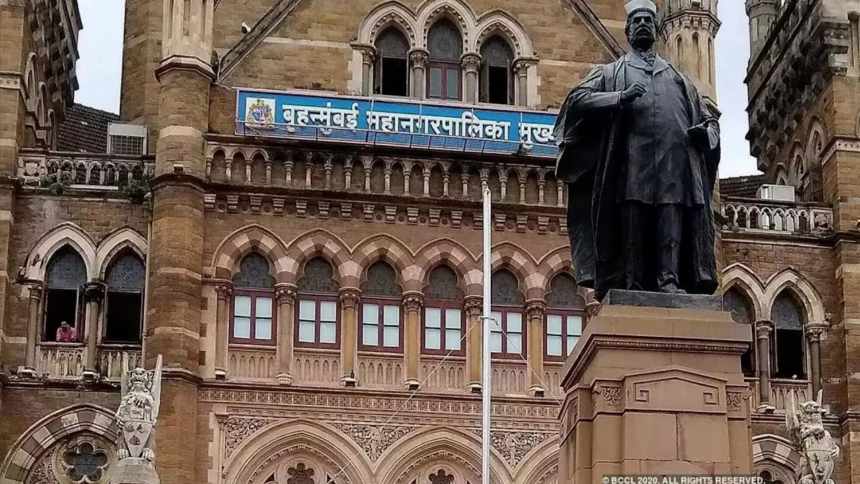
BMC Budget LIVE 2026: ₹80,952.56 Crore Mega Outlay Unveiled — 7 Big Announcements That Could Transform Mumbai
BMC Budget LIVE 2026: The Brihanmumbai Municipal Corporation unveils a massive ₹80,952.56 crore outlay, announcing key infrastructure, health, and development projects set to reshape Mumbai
The Brihanmumbai Municipal Corporation (BMC) has unveiled its much-anticipated Budget 2026, announcing a massive total outlay of ₹80,952.56 crore. As India’s richest municipal body, the BMC’s annual budget carries enormous significance, shaping the development trajectory of Mumbai — the country’s financial capital and one of the world’s most densely populated megacities.
The announcement has triggered widespread interest among residents, policymakers, and urban planners, with citizens closely watching how the civic body plans to balance infrastructure expansion, social services, and sustainability priorities.
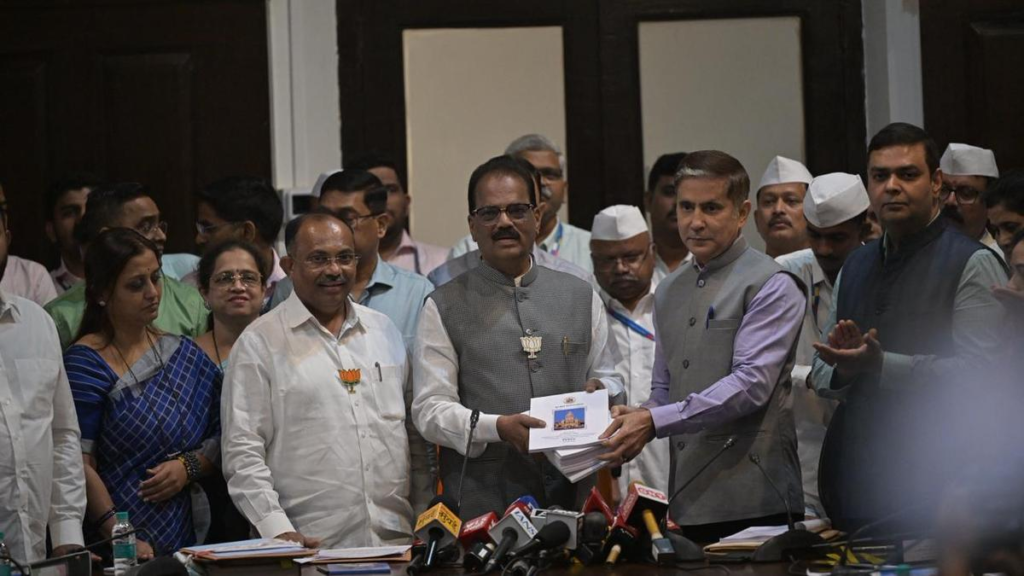
With an outlay of over ₹80,000 crore, the BMC Budget 2026 ranks among the largest municipal budgets globally. The scale of spending underscores the enormous responsibilities the civic body shoulders — from maintaining roads and managing waste to overseeing public health systems and developing large-scale infrastructure.
Officials highlighted that the budget aims to accelerate urban transformation while maintaining fiscal stability. Despite rising costs and inflationary pressures, the civic administration emphasized that financial discipline remains a priority, with efforts to maintain revenue streams through property taxes, development charges, and municipal services.
Infrastructure development remains the backbone of this year’s budget. A significant portion of the allocation has been earmarked for road upgrades, flyover construction, stormwater drainage improvements, and urban mobility projects.
Mumbai’s recurring monsoon flooding continues to be a major concern, prompting renewed investment in drainage modernization. The BMC is expected to intensify its focus on flood mitigation projects, including desilting operations, pumping stations, and climate-resilient infrastructure.
Additionally, road concretization projects are likely to receive fresh funding as part of the long-term goal of creating pothole-free roads across the city.
Urban mobility remains a key challenge for Mumbai, and the BMC Budget reflects an aggressive push to improve connectivity. While large-scale transport projects are often driven by state and central agencies, the BMC continues to play a critical supporting role through land acquisition, local infrastructure upgrades, and last-mile connectivity initiatives.
Budgetary support for coastal road integration, skywalks, pedestrian infrastructure, and traffic decongestion measures is expected to significantly improve commuting conditions for millions of Mumbaikars.
Public health continues to be a cornerstone of the civic budget. The BMC, which runs one of India’s largest municipal healthcare networks, has allocated substantial funds toward hospital upgrades, medical equipment modernization, and expansion of primary healthcare facilities.
Lessons from the COVID-19 pandemic have reshaped urban health planning, prompting investments in emergency preparedness, disease surveillance systems, and digital health infrastructure. Authorities have reiterated their commitment to strengthening public hospitals to ensure affordable healthcare access for all citizens.
The budget is also expected to prioritize maternal health, pediatric care, and disease prevention programs.
Beyond physical infrastructure, the BMC has emphasized investments in education and social welfare. Municipal schools are likely to receive increased funding for digital classrooms, improved facilities, and curriculum modernization.
The civic body has been working toward enhancing learning outcomes in municipal schools, including introducing English-medium sections and technology-enabled learning platforms. Budgetary allocations in this segment signal continued commitment to improving educational equity.
Social development initiatives may also include schemes focused on women’s empowerment, skill development, and support for economically weaker sections.
Environmental sustainability has emerged as a key theme in recent civic budgets, and 2026 is no exception. With climate change posing an increasing threat to coastal cities, the BMC is expected to expand investments in green infrastructure, urban forests, and pollution mitigation efforts.
Waste management reforms remain a high priority. The civic body has been working to reduce landfill dependency through waste segregation drives, recycling initiatives, and waste-to-energy projects.
Green mobility initiatives, including electric vehicle infrastructure and emission reduction strategies, are also expected to feature prominently in the budget.
The BMC has been steadily embracing digital transformation, and this year’s budget is likely to expand investments in smart governance tools. From AI-powered traffic monitoring to data-driven urban planning, technology is playing an increasingly central role in city management.
Digital platforms for citizen services, grievance redressal, and tax payments are expected to be upgraded further. Authorities believe that technology integration will improve transparency, efficiency, and service delivery across departments.
Smart surveillance systems and predictive analytics may also be deployed to enhance urban safety and disaster preparedness.
Mumbai’s housing challenges remain among the most complex in the world. The BMC Budget is expected to support affordable housing initiatives and slum redevelopment projects in coordination with state agencies.
While housing is primarily driven by state policies, the civic body plays an important role in providing basic amenities such as water supply, sanitation, and roads in redevelopment zones.
Allocations in this sector signal continued efforts to improve living conditions for millions residing in informal settlements.
One of the most closely watched aspects of the BMC Budget is its fiscal health. Despite the massive outlay, officials have stressed that the civic body remains financially robust, with strong reserves and diversified revenue streams.
Property tax remains the backbone of municipal revenue, supplemented by development charges, user fees, and investment income. The BMC has also been exploring innovative financing mechanisms, including municipal bonds and public-private partnerships.
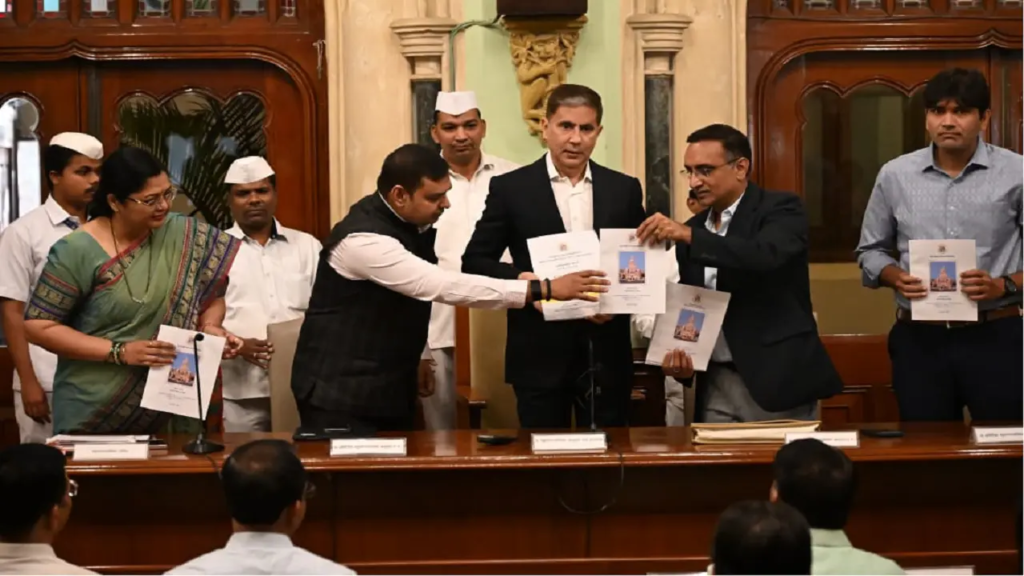
Maintaining fiscal prudence while scaling up development spending remains a delicate balancing act for the civic administration.
The announcement of the ₹80,952.56 crore budget has generated mixed reactions among citizens. While many have welcomed the scale of investment, others remain cautious, emphasizing the need for effective implementation.
Mumbai residents often measure civic success not just by budget size but by visible on-ground improvements — smoother roads, reduced flooding, cleaner neighborhoods, and better healthcare access.
Urban experts have stressed that transparency and accountability will be critical in ensuring that allocated funds translate into tangible outcomes.
Despite the ambitious vision outlined in the budget, the BMC faces several challenges. Rapid urbanization, climate risks, aging infrastructure, and population density continue to test the city’s resilience.
Coordination with multiple agencies — including state departments and metropolitan authorities — remains essential for seamless project execution. Delays in approvals, land constraints, and logistical hurdles have historically impacted infrastructure timelines.
Addressing these structural challenges will be key to realizing the full potential of the budget.
The BMC Budget 2026 is more than an annual financial document — it is a roadmap for Mumbai’s future. From mega infrastructure upgrades to grassroots social initiatives, the budget reflects the complexity of governing one of the world’s most dynamic cities.
If implemented effectively, the proposed allocations could significantly enhance urban quality of life, boost resilience against climate threats, and strengthen Mumbai’s global competitiveness.