BREAKING: Iran Launches 200+ Missile Barrage in Retaliatory Strike – 1 Dead, 21+ Wounded as Rockets Slam Israel
Iran launches a massive retaliatory missile barrage on Israel, firing 200+ rockets in a dramatic escalation
In one of the most dangerous escalations in recent Middle East history, Iran launched a massive retaliatory missile barrage targeting Israel, triggering nationwide alarms, civilian casualties, and urgent global concern. The dramatic strike, involving hundreds of projectiles, marks a turning point in the rapidly intensifying confrontation between the two regional powers and has raised fears of a wider war engulfing the Middle East.
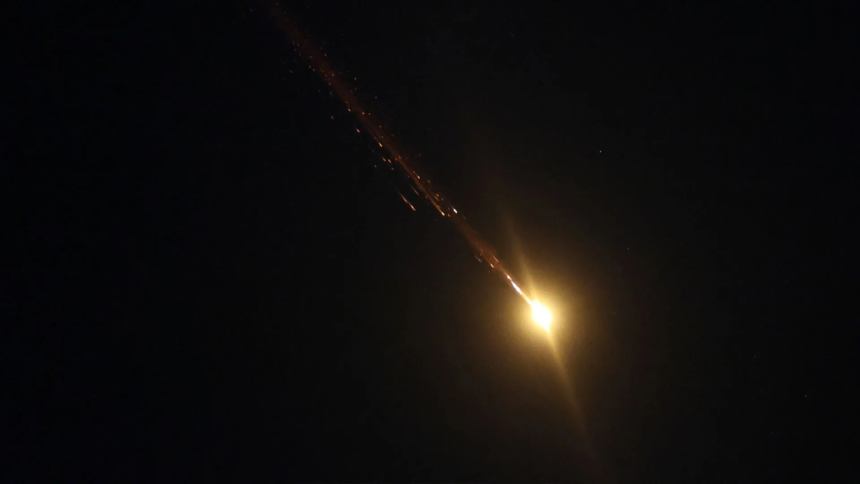
The attack unfolded in the early hours, when air raid sirens began blaring across multiple Israeli cities. Residents rushed into bomb shelters as explosions lit up the skies. According to preliminary reports, more than 200 missiles and drones were launched in what Iranian officials described as a “measured but powerful retaliation.”
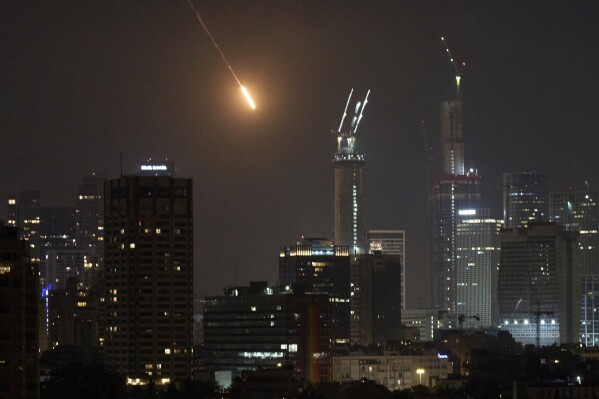
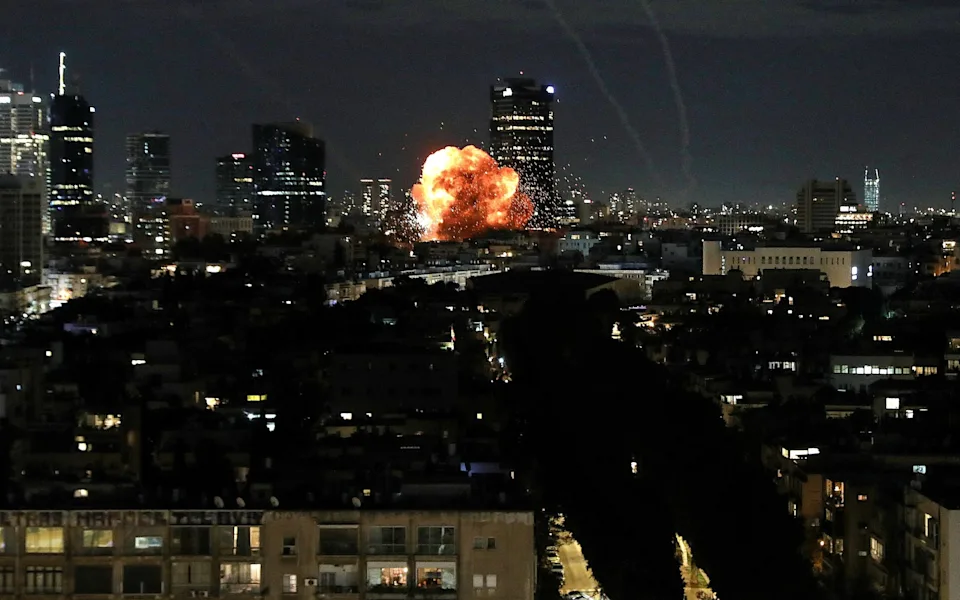
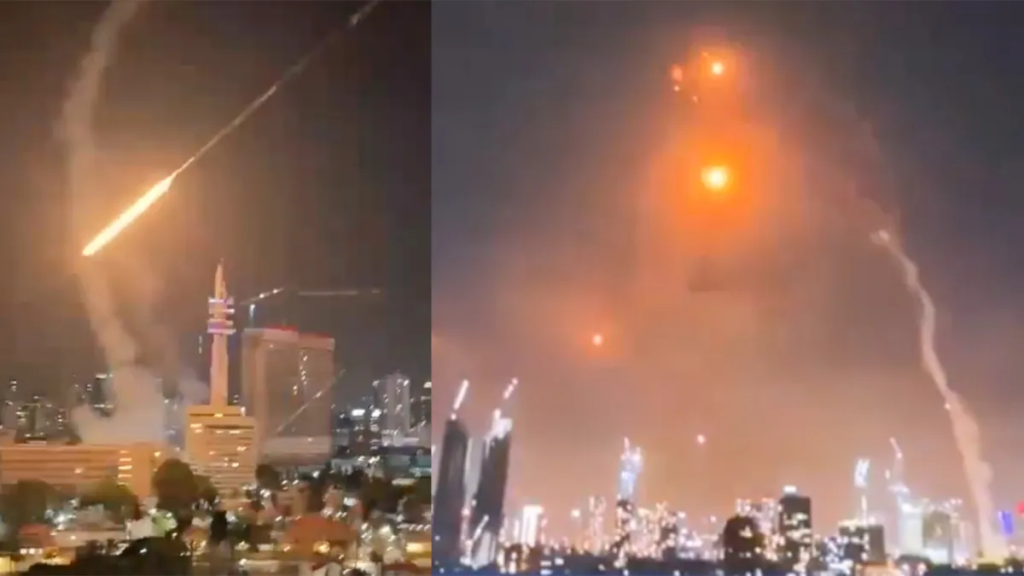
Several missiles were intercepted by Israel’s advanced air defence systems, but not all were stopped. Debris from intercepted rockets fell in residential areas, while some projectiles directly struck urban zones, causing destruction and panic. Emergency services were immediately deployed, treating dozens of injured civilians and evacuating families from damaged buildings.
Eyewitnesses described scenes of chaos as people scrambled for safety. Videos circulating online captured fiery streaks cutting through the night sky and loud blasts echoing across neighborhoods. The psychological impact of the attack was immediate, with millions forced to seek shelter amid fears of further waves.
Authorities confirmed casualties, including at least one fatality and multiple injuries, though numbers were expected to rise as rescue operations continued. Hospitals across central and southern Israel declared emergency protocols, preparing for an influx of patients.
Residential buildings, vehicles, and public infrastructure suffered damage in multiple locations. In some areas, entire apartment blocks were evacuated due to structural risks. Power outages were also reported in select regions following impacts on electrical infrastructure.
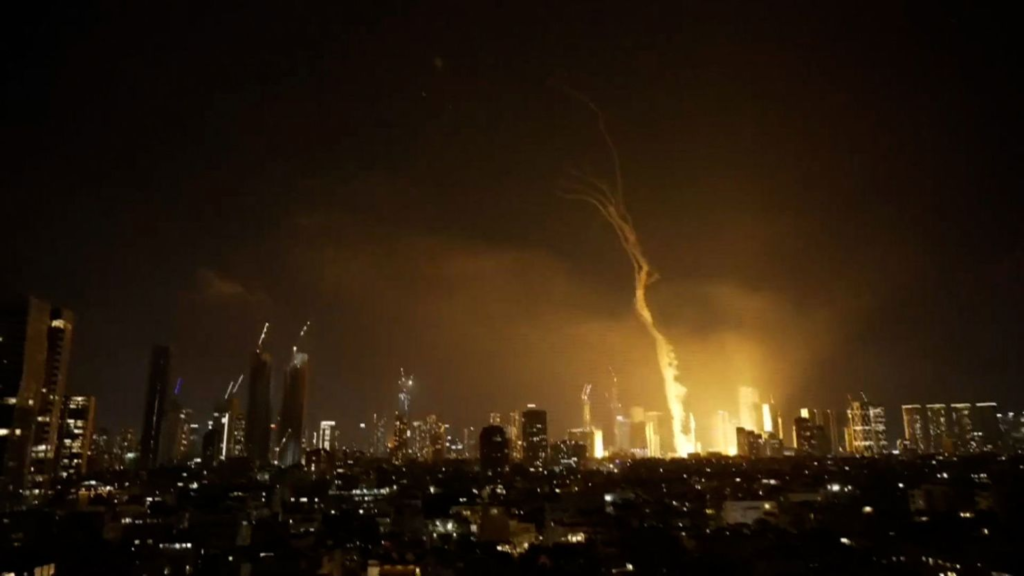
While Israel’s air defence systems successfully intercepted a large percentage of incoming threats, the sheer volume of missiles overwhelmed parts of the defence grid, exposing vulnerabilities in even the most sophisticated military shields.
Iran’s missile barrage was widely seen as retaliation for recent strikes attributed to Israel that allegedly targeted Iranian-linked assets and personnel. Iranian state media framed the attack as a justified response aimed at restoring “deterrence and balance.”
Officials in Tehran warned that the strike was only the beginning if provocations continued. In strongly worded statements, military leaders suggested that any further attacks on Iranian interests would invite even more severe retaliation.
Analysts say the move reflects a shift in strategy. Instead of relying solely on proxy groups, Iran appears increasingly willing to act directly, raising the stakes dramatically. This evolution signals a dangerous phase where long-standing shadow warfare could transition into open confrontation.
In response, Israeli authorities placed the country on maximum alert. Airspace restrictions were temporarily imposed, schools were shut in vulnerable areas, and reserve forces were mobilized. The government held emergency security meetings to assess the scale of the threat and consider possible countermeasures.
Israeli leaders vowed a strong response, warning that the country would not tolerate direct attacks on its territory. Officials emphasized that the military remains prepared for all scenarios, including prolonged conflict.
At the same time, authorities urged citizens to remain calm and follow safety advisories. Civil defence units worked around the clock to clear debris, restore utilities, and reassure residents shaken by the unprecedented assault.
The international community reacted swiftly, with world leaders urging restraint and de-escalation. Several countries condemned the attack while calling on both sides to avoid actions that could trigger a broader regional conflict.
Diplomatic channels were activated almost immediately. Emergency consultations took place among global powers concerned about the ripple effects of an all-out war in the Middle East, particularly on global energy markets and regional stability.
The United Nations also expressed alarm, warning that the cycle of retaliation could spiral out of control if not contained. Calls for an immediate ceasefire and renewed diplomatic engagement grew louder as tensions surged.
One of the biggest fears following the missile barrage is the potential activation of proxy forces aligned with Iran across the region. Armed groups in neighboring countries could open additional fronts, stretching Israel’s military and complicating efforts to contain the conflict.
Security experts warn that escalation across multiple theatres could transform a bilateral confrontation into a full-blown regional war. Maritime routes, energy infrastructure, and border zones could all become flashpoints in the days ahead.
Neighboring nations are already tightening security, anticipating potential spillover. Air defence readiness has reportedly increased across several countries amid fears of miscalculations or unintended strikes.
Beyond immediate military consequences, the attack has significant economic implications. Oil prices reacted sharply amid fears of supply disruptions in one of the world’s most energy-sensitive regions. Global markets showed signs of volatility as investors assessed the potential for prolonged instability.
Air travel routes across parts of the Middle East faced disruptions, with airlines rerouting flights to avoid conflict zones. Insurance costs for shipping and aviation also rose, reflecting heightened geopolitical risk.
Experts warn that sustained conflict could impact global inflation, trade routes, and financial markets, especially if critical infrastructure becomes a target in future escalations.
The scale and direct nature of Iran’s missile strike mark a new chapter in the long-running hostility between the two nations. Historically characterized by covert operations and proxy conflicts, the latest developments suggest a shift toward overt military confrontation.
This transformation carries profound implications. Direct state-to-state hostilities increase the likelihood of rapid escalation, miscalculations, and unintended consequences. With both sides possessing significant military capabilities, the margin for error has dramatically narrowed.
Observers note that the psychological threshold has now been crossed. Direct attacks between the two adversaries could normalize a more dangerous pattern of retaliation, making future conflicts harder to contain.
The coming days are expected to be critical in determining whether tensions spiral further or stabilize. Much will depend on how Israel responds and whether diplomatic efforts can prevent another round of escalation.
Military analysts believe the next moves will shape the strategic landscape for years to come. A measured response could open doors for de-escalation, while aggressive retaliation might ignite a prolonged and devastating conflict.
Meanwhile, civilians on both sides remain caught in the crossfire, bracing for uncertainty. The human cost of continued escalation could be immense, particularly if urban centers remain targets.