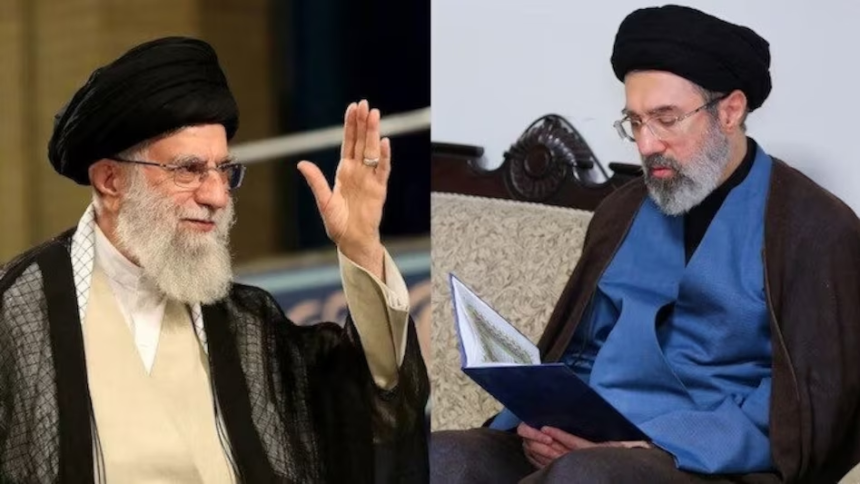
Breaking: Mojtaba Khamenei (56), Son of Ayatollah Ali Khamenei, Elected Iran’s 2️⃣8️⃣th Supreme Leader After Historic Power Shift — Controversial New Era Unfolds
Reports claim Mojtaba Khamenei, son of Ayatollah Ali Khamenei, has been elected as Iran’s new Supreme Leader, marking a historic and controversial power transition in the Islamic Republic
In what could mark one of the most significant political transitions in modern Middle Eastern history, reports suggest that Mojtaba Khamenei, the son of Ayatollah Ali Khamenei, has been elected as Iran’s new Supreme Leader. If officially confirmed, this development would represent only the second leadership succession since the establishment of the Islamic Republic in 1979 — a monumental shift in a nation where political continuity and religious authority are deeply intertwined.
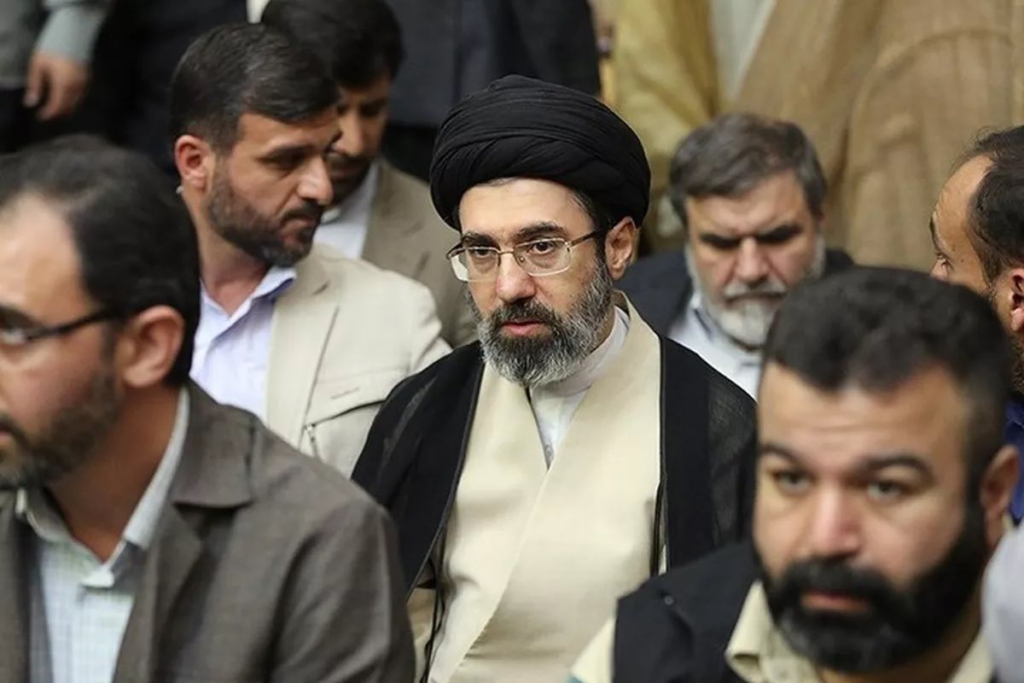
The reported appointment of Mojtaba Khamenei, believed to be 56 years old, signals not just a transfer of power but a potentially transformative moment for Iran’s domestic governance, regional influence, and international diplomacy.
Since the 1979 Islamic Revolution led by Ruhollah Khomeini, Iran has had only two Supreme Leaders. After Khomeini’s death in 1989, Ayatollah Ali Khamenei assumed the role, becoming the second Supreme Leader of the Islamic Republic. For over three decades, he has remained the country’s highest political and religious authority.
Now, if Mojtaba Khamenei has indeed been selected, this would mark the third Supreme Leader in 47 years — and the first time the position has reportedly passed from father to son, raising questions about dynastic succession in a system that was originally designed to avoid monarchy-style rule.
The Supreme Leader in Iran is not merely a symbolic figurehead. The office holds sweeping powers, including command over the armed forces, influence over the judiciary, authority to appoint key political and military officials, and final say over major national policies. The role also oversees Iran’s nuclear strategy, foreign policy direction, and security apparatus.
Mojtaba Khamenei has largely remained out of the public spotlight compared to other high-profile Iranian political figures. A cleric by training, he has reportedly maintained close ties with powerful elements within Iran’s security establishment, particularly the Islamic Revolutionary Guard Corps (IRGC).
While he has never held a formal, publicly prominent political office, analysts have long speculated about his growing influence behind the scenes. His name has surfaced in discussions about succession planning for years, especially as Ayatollah Ali Khamenei’s health has been the subject of periodic rumors and speculation.
Supporters describe Mojtaba as deeply committed to preserving the ideological framework of the Islamic Republic. Critics, however, argue that his elevation could reinforce concerns about concentrated power and internal political consolidation.
The selection of Iran’s Supreme Leader is constitutionally the responsibility of the Assembly of Experts — an 88-member clerical body elected by the public but vetted by the Guardian Council. The Assembly is tasked with monitoring the Supreme Leader’s performance and appointing a successor when the position becomes vacant.
If reports are accurate, the Assembly convened to determine the next leader, ultimately selecting Mojtaba Khamenei. The process is typically confidential, and official announcements often follow internal consensus-building among senior clerics and political elites.
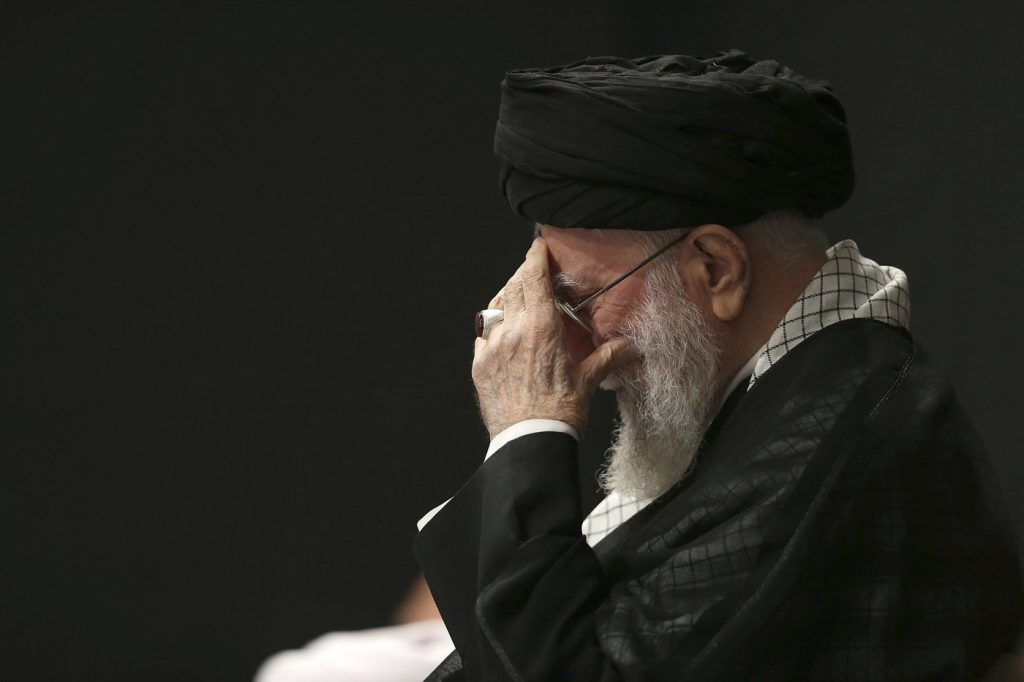
Given the sensitivity of the position and Iran’s current geopolitical challenges, the reported decision would have been made after careful deliberation among top religious and security authorities.
A father-to-son succession would be unprecedented in the Islamic Republic’s history. While Iran is not a monarchy, critics inside and outside the country have long warned about the emergence of informal dynastic tendencies.
The potential election of Mojtaba Khamenei may intensify internal political debates about legitimacy, transparency, and reform. Iran has faced periodic waves of domestic unrest in recent years, with protests over economic hardship, social restrictions, and governance issues.
Some political observers believe that continuity in leadership could provide stability during uncertain times. Others argue that a generational shift might either tighten ideological control or open limited pathways for policy recalibration.
Much will depend on Mojtaba’s governing style, alliances within Iran’s political factions, and his approach toward public dissent.
Iran remains a key power player in the Middle East, influencing conflicts and alliances across Iraq, Syria, Lebanon, Yemen, and beyond. A change at the very top of the political structure inevitably raises questions about future foreign policy direction.
Under Ayatollah Ali Khamenei, Iran maintained a firm stance against Western pressure while expanding strategic partnerships with Russia and China. The country also continued to support allied regional groups and pursued its nuclear program despite international sanctions.
The international community will closely monitor whether Mojtaba Khamenei maintains the same hardline positions or introduces nuanced shifts in diplomatic engagement.
Relations with the United States, already strained for decades, remain fragile. European nations will also assess whether there is potential for renewed nuclear negotiations or continued confrontation. Meanwhile, neighboring Gulf states will evaluate how the leadership change might affect regional security dynamics.
The Islamic Revolutionary Guard Corps (IRGC) plays a central role in Iran’s political and military framework. Any Supreme Leader must command the loyalty and cooperation of this powerful institution.
Mojtaba Khamenei is believed to have longstanding connections within the IRGC. If confirmed, his leadership may signal continuity in Iran’s defense posture and strategic doctrine.
The IRGC’s influence extends beyond security matters into economic and infrastructure sectors, making its alignment with the new Supreme Leader crucial for national stability.
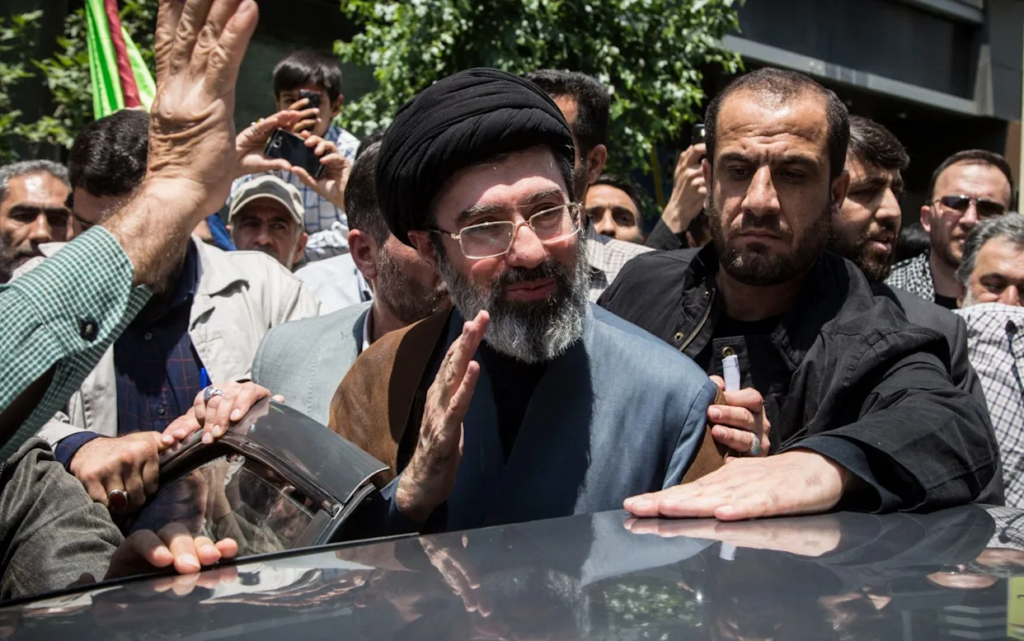
Iran’s next Supreme Leader will inherit a complex economic landscape. Years of sanctions, inflationary pressures, currency volatility, and global isolation have placed significant strain on the country’s economy.
Youth unemployment remains a pressing issue, and economic dissatisfaction has fueled public frustration in recent years. Addressing these concerns will require a delicate balance between ideological priorities and pragmatic reforms.
Observers will be watching closely to see whether Mojtaba Khamenei prioritizes economic engagement, sanctions relief efforts, and internal restructuring.
Leadership transitions in Iran are rare and deeply consequential. The reported election of Mojtaba Khamenei marks a defining chapter not only for the Islamic Republic but for global geopolitics.
Whether this transition reinforces ideological continuity or ushers in subtle transformation remains to be seen. Much will depend on early signals from the new leadership — cabinet appointments, military directives, and public messaging.
For now, the world waits for formal confirmation and the first official address outlining the vision for Iran’s future.
One thing is certain: Iran stands at a pivotal crossroads. The reported rise of Mojtaba Khamenei as Supreme Leader represents more than a succession — it represents the beginning of a new era in a nation whose decisions resonate far beyond its borders.