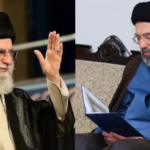
Breaking: Hezbollah Strikes Tel Aviv With 15+ Missiles; Israel Warns Iranian Commanders in Lebanon of ‘Severe Consequences
Hezbollah fires 20+ rockets at Tel Aviv as Israel issues a direct warning to Iranian officers operating in Lebanon, triggering fears of a wider Middle East conflict and sharp regional escalation
Tensions in the Middle East surged dramatically after Hezbollah launched a barrage of rockets toward Tel Aviv, prompting a stern warning from Israel directed at Iranian officers operating inside Lebanon. The exchange marks one of the most serious escalations in recent months and has intensified concerns of a broader regional conflict involving Iran and its allied forces.
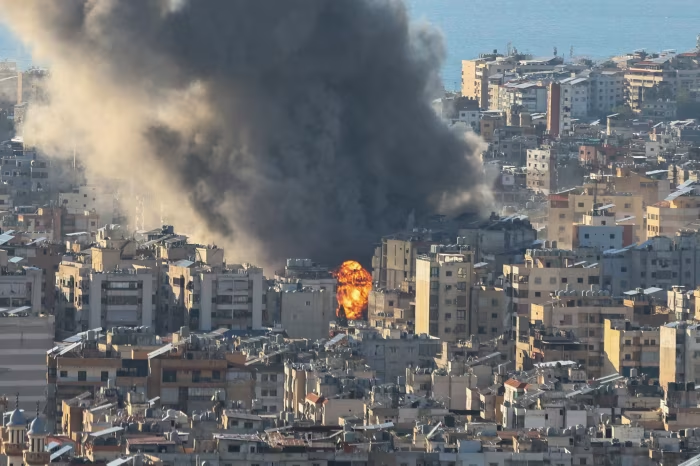
According to security sources, multiple rockets were fired toward central Israel, setting off air raid sirens across Tel Aviv and surrounding areas. While Israeli air defense systems intercepted several projectiles, the attack has triggered widespread alarm and heightened military readiness across the country.
Tel Aviv, Israel’s economic and technological hub, has long been considered a high-value target in any major escalation involving Hezbollah. The rocket fire represents a significant development because it extends beyond border skirmishes and directly targets Israel’s densely populated urban core.
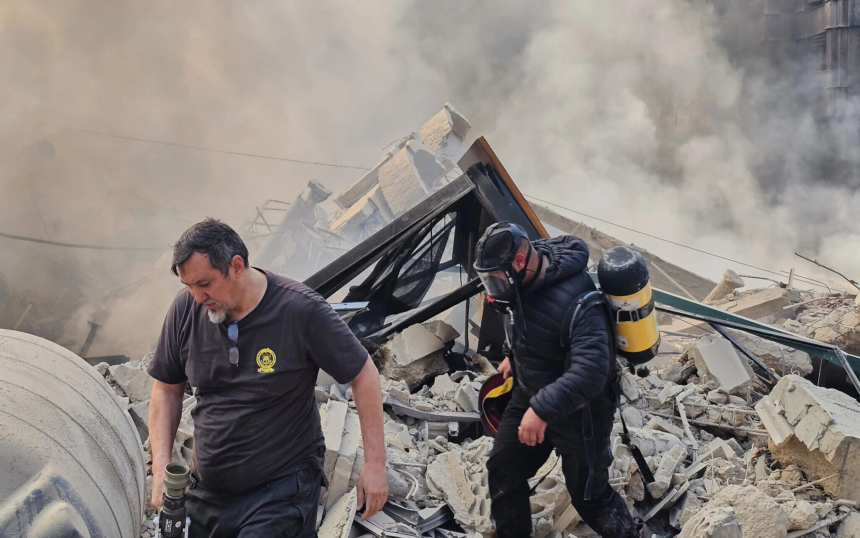
Emergency services were deployed swiftly after sirens sounded across the metropolitan area. Residents sought shelter as interceptors from Israel’s air defense system responded mid-air. Authorities reported damage in some areas, though initial assessments suggest the majority of rockets were successfully neutralized.
The attack comes amid escalating rhetoric between Israel and Iranian-backed forces across multiple fronts.
Following the rocket barrage, Israeli officials issued a sharp warning directed not only at Hezbollah but also at Iranian military personnel believed to be active in Lebanon. Israel has repeatedly accused Iran of using Lebanon as a forward operating base through its support of Hezbollah.
Iran’s regional influence has expanded over the years through networks of allied groups in Lebanon, Syria, Iraq, and Yemen. Israeli leadership has consistently stated it will not tolerate Iranian entrenchment along its northern border.
Security analysts believe Israel’s latest warning signals a potential shift from targeting infrastructure to possibly targeting high-ranking Iranian personnel if hostilities intensify.
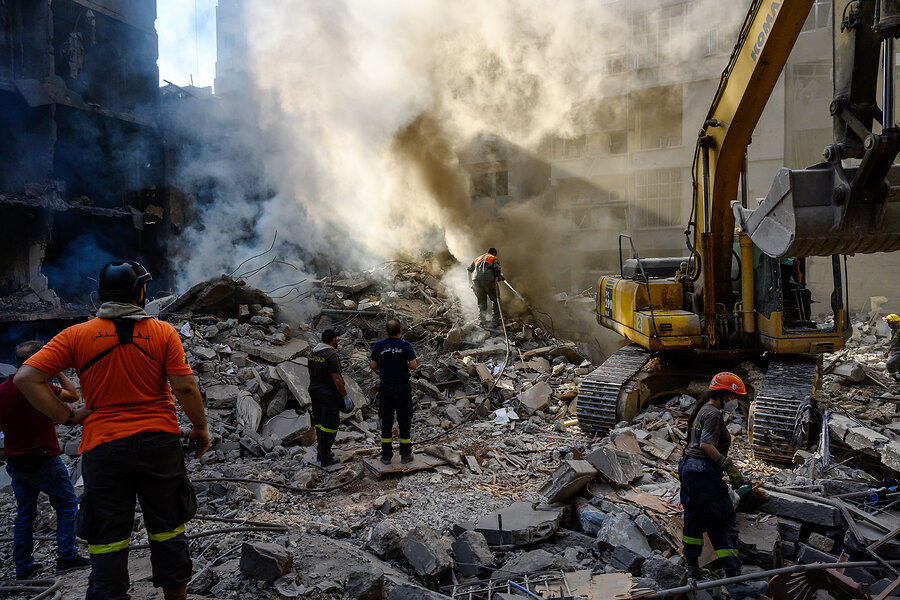
Hezbollah, founded in the early 1980s, has evolved from a militia group into one of the most heavily armed non-state actors in the world. Backed financially and militarily by Iran, Hezbollah possesses thousands of rockets capable of striking deep inside Israeli territory.
The group has often framed its actions as part of a broader “resistance axis” aligned with Tehran. While direct conflict between Israel and Iran remains limited, proxy confrontations have been frequent, especially in Syria and along Lebanon’s southern border.
Iran has denied commanding Hezbollah’s day-to-day operations but openly acknowledges political and ideological support.
The latest exchange raises serious concerns about the possibility of a multi-front conflict. Israel is already managing security challenges along other borders, and any prolonged escalation with Hezbollah could strain military resources.
Military experts warn that Hezbollah’s rocket arsenal is far more advanced and numerous than in previous confrontations. A sustained conflict could result in significant civilian and infrastructure damage on both sides.
Regional players, including Gulf states and global powers, are closely monitoring the situation. Diplomatic channels are reportedly active in an attempt to prevent further deterioration.
For civilians in both Israel and Lebanon, the immediate concern is safety. In Tel Aviv, schools and businesses temporarily closed as authorities assessed the security situation. Public transportation services were briefly suspended in some areas.
In Lebanon, fears of Israeli retaliatory strikes have created anxiety among communities in the south, where Hezbollah maintains a strong presence. Previous rounds of violence have resulted in large-scale displacement and infrastructure damage.
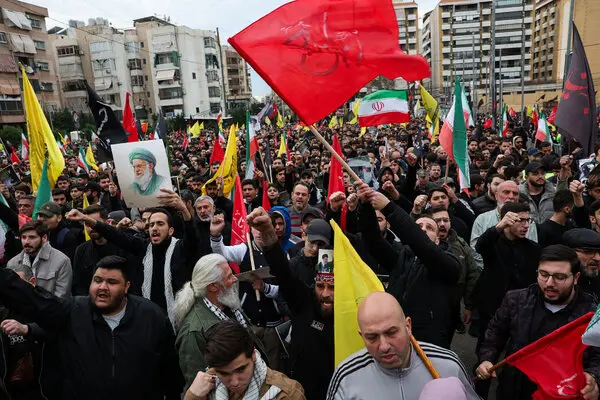
Humanitarian organizations are urging restraint, warning that escalation would have devastating consequences for already strained civilian populations.
Israel’s security doctrine emphasizes deterrence and rapid response. Historically, Israel has responded forcefully to rocket attacks to restore deterrence and signal resolve.
At the same time, Hezbollah must weigh the consequences of provoking a full-scale war. Lebanon’s economic crisis remains severe, and another major conflict could worsen instability.
The involvement of Iranian officers adds another layer of complexity. Any direct targeting of Iranian personnel could trigger retaliation beyond Lebanon’s borders, potentially drawing in additional actors.
Global leaders have called for calm, urging both sides to exercise restraint. The United States reaffirmed its support for Israel’s right to self-defense while emphasizing the need to avoid further escalation.
European nations have expressed concern about the risk of regional spillover. Diplomatic efforts are underway to de-escalate tensions and prevent a wider confrontation.
Meanwhile, energy markets have reacted nervously to the developments, reflecting fears that sustained conflict could disrupt regional stability and supply chains.
Israel and Hezbollah have fought a full-scale war before, most notably in 2006. Since then, both sides have engaged in periodic exchanges but avoided prolonged open warfare.
However, the geopolitical landscape has evolved. Iran’s regional footprint has expanded, and Hezbollah’s military capabilities have grown significantly.
This latest rocket barrage, combined with Israel’s direct threat to Iranian officers, represents one of the clearest signs yet that tensions are nearing a critical threshold.
The coming days will be crucial. Israel may conduct targeted airstrikes in Lebanon, particularly against infrastructure linked to Hezbollah. The scope and intensity of any retaliation will likely determine whether the situation stabilizes or spirals.
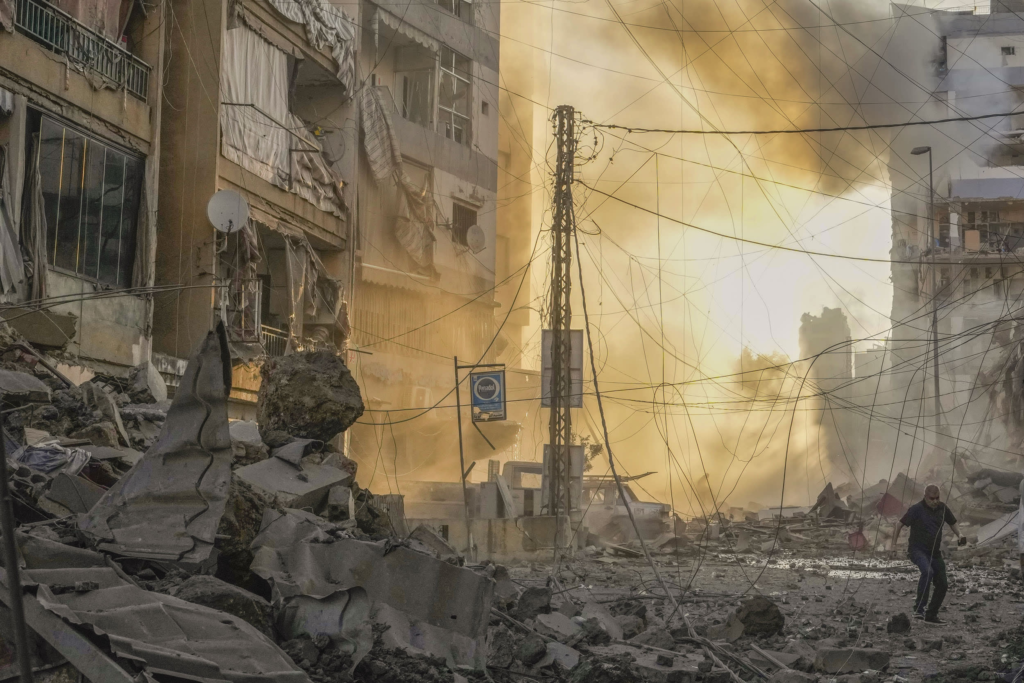
Hezbollah’s response to Israeli warnings will also shape the trajectory of the conflict. If rocket fire continues, escalation becomes increasingly likely.
Diplomatic interventions could help contain the crisis, but the underlying tensions between Israel and Iran-backed forces remain unresolved.
The Middle East is once again at a volatile crossroads. The rocket attack on Tel Aviv and Israel’s warning to Iranian officers signal a dangerous moment that could reshape regional dynamics.
For now, air defense systems remain on high alert, military forces are mobilized, and civilians brace for uncertainty.
Whether this incident marks a temporary flare-up or the beginning of a broader confrontation depends on decisions made in the hours and days ahead.
One thing is certain: the balance between deterrence and escalation has rarely been more fragile.
Read Also : Breaking: Mojtaba Khamenei (56), Son of Ayatollah Ali Khamenei, Elected Iran’s 28th Supreme Leader After Historic Power Shift — Controversial New Era Unfolds