CBSE Board Exams 2026 LIVE: 1 Key Update — CBSE Class 12 Physical Education Paper Rated ‘Moderate’ by Teachers
CBSE Board Exams 2026 LIVE updates: Class 12 Physical Education paper rated ‘moderate’ by teachers, with student reactions, difficulty analysis, and key highlights
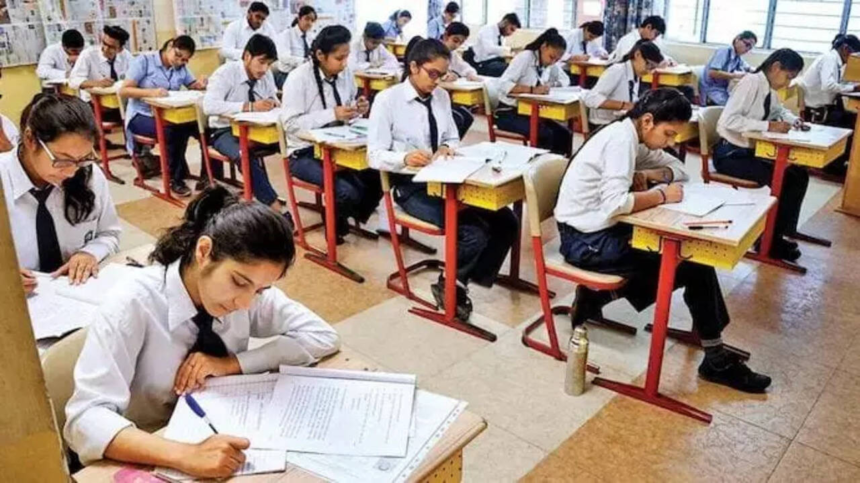
The CBSE Board Exams 2026 are underway across the country, and today’s Class 12 Physical Education paper has generated widespread discussion among students and educators. According to early reactions from teachers and exam analysts, the paper was rated “moderate” in difficulty, striking a balance between conceptual questions and application-based sections.
With lakhs of students appearing for the examination at centers across India, the subject remains one of the most popular elective papers in the CBSE curriculum. The Physical Education exam is often considered scoring, but every year its difficulty level sparks debate among students eager to secure high marks for competitive college admissions.
Initial feedback from exam centers suggests that the paper maintained a balanced structure, covering the syllabus comprehensively without introducing unexpected or out-of-syllabus questions. Teachers who reviewed student responses shortly after the exam described the paper as “well-framed and fair.”
Many educators noted that students who prepared thoroughly using NCERT textbooks and past-year papers were likely to perform well. However, some candidates mentioned that a few case-study-based questions required deeper understanding and careful reading.
Overall, the consensus among experts is that the paper neither leaned toward being too easy nor excessively challenging.
The Class 12 Physical Education paper followed the standard CBSE blueprint, with a mix of:
- Objective-type questions
- Short-answer questions
- Long descriptive answers
- Case-study-based questions
The paper tested both theoretical knowledge and practical understanding of sports science concepts. Topics such as biomechanics, training methods, sports injuries, and psychology featured prominently.
Teachers appreciated the inclusion of competency-based questions, reflecting CBSE’s ongoing shift toward application-oriented assessment.
- Balanced Difficulty Level: Neither too easy nor overly tricky.
- Syllabus-Focused: Majority of questions were from prescribed chapters.
- Case-Based Questions: Tested analytical thinking.
- Time Management Crucial: Some students found the paper lengthy.
- Scoring Potential High: Well-prepared students can aim for top marks.
These factors contributed to the overall “moderate” rating assigned by educators.
Student reactions have been mixed but largely positive. Many candidates expressed relief after the exam, stating that the paper was manageable and predictable.
Some students shared that:
- Direct questions boosted confidence
- Diagrams and definitions were easy to recall
- Familiar topics dominated the paper
However, a section of students pointed out that the paper felt slightly lengthy, making time management a challenge. A few candidates also mentioned that certain application-based questions required careful interpretation.
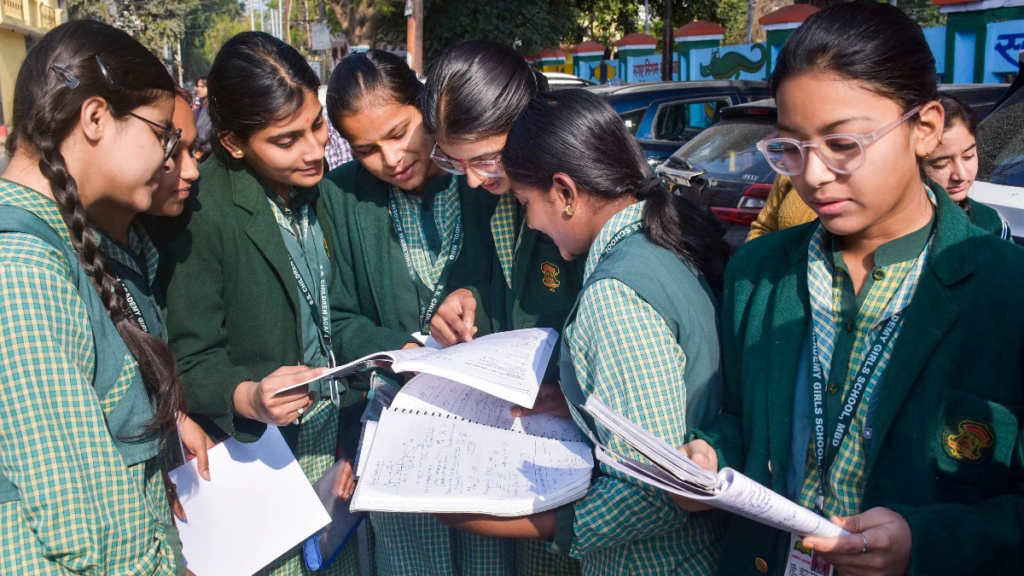
Despite these concerns, most students appeared satisfied with their performance.
Teachers analyzing the paper emphasized that CBSE has continued its trend of designing balanced question papers. According to subject experts, the exam rewarded conceptual clarity rather than rote memorization.
Key observations from teachers include:
- Clear alignment with the NCERT syllabus
- Emphasis on understanding over memorization
- No controversial or ambiguous questions
- Logical distribution of marks across sections
Educators believe that students who practiced sample papers and understood core concepts are likely to secure high scores.
Physical Education has evolved significantly within the CBSE framework. Once considered a secondary subject, it now holds substantial academic weight, especially for students aiming to boost aggregate scores.
The subject offers:
- Relatively predictable question patterns
- Clear conceptual frameworks
- Opportunities for scoring high marks
For many students, strong performance in Physical Education can positively influence overall board exam results.
Compared to recent years, teachers say the 2026 paper falls in the mid-range difficulty category. While some previous papers were perceived as easier, others included tricky analytical questions.
This year’s paper appears to have struck a balance, aligning with CBSE’s broader exam reforms aimed at fairness and standardization.
Exam experts believe that the “moderate” difficulty level could help normalize scoring patterns, avoiding extreme high or low averages.
One of the defining features of recent CBSE exams has been the introduction of competency-based questions. The 2026 Physical Education paper continued this trend.
Such questions aim to:
- Test real-world understanding
- Encourage analytical thinking
- Reduce rote learning
Students who focused on understanding concepts rather than memorizing definitions found these sections easier to navigate.
While the paper was largely manageable, time management emerged as a key challenge for some students. Those who spent too long on descriptive answers reportedly struggled to complete the paper comfortably.
Experts advise students to:
- Allocate time proportionally to mark weightage
- Attempt easy questions first
- Leave time for revision
Effective time management often plays a crucial role in maximizing scores, even in moderate-difficulty papers.
Based on teacher feedback, the scoring trend for the 2026 Physical Education paper is expected to remain healthy. Students who prepared systematically may achieve scores in the higher range.
However, experts caution that evaluation standards will ultimately determine the final outcome. CBSE’s centralized evaluation process ensures consistency across regions.
If marking remains lenient and aligned with past patterns, students can expect favorable results.
Reports from various exam centers indicated smooth conduct of the examination. Authorities ensured proper arrangements, including:
- Strict invigilation protocols
- On-time distribution of papers
- Adequate seating arrangements
- Security checks at entry points
Students were advised to reach centers early, and most reported minimal logistical issues.
The seamless conduct reflects CBSE’s continued efforts to streamline board exam operations.
With the Physical Education exam concluded, students are now shifting focus to upcoming subjects. Experts recommend maintaining momentum and avoiding complacency.
Key post-exam tips include:
- Avoid overanalyzing the paper
- Focus on upcoming exams
- Maintain a consistent study schedule
- Prioritize health and sleep
Board exams can be mentally demanding, and staying balanced is crucial for sustained performance.
Physical Education often plays a strategic role in students’ board exam performance. A strong score in the subject can significantly improve overall percentage, especially for students targeting competitive colleges.
In recent years, colleges have increasingly considered overall aggregates, making every subject important.
A moderate and scoring paper like this could boost student confidence moving forward.
The 2026 board exams reflect CBSE’s evolving approach to assessment. The board has been steadily moving toward competency-based evaluation, aiming to test understanding rather than memorization.
This shift aligns with broader educational reforms focusing on:
- Conceptual learning
- Skill development
- Analytical thinking
The Physical Education paper’s balanced design reinforces this transformation.
For students appearing in future board exams, experts recommend adopting a structured preparation strategy for Physical Education.
Tips include:
- Study NCERT thoroughly
- Practice diagrams and definitions
- Solve past-year papers
- Focus on conceptual clarity
Consistent preparation can make the subject highly scoring and less stressful.