Ceasefire Declared After 72 Dead in Iranian Missile Barrage – Israeli Silence Raises Tensions
After a deadly missile strike reportedly killing 72, Iranian state TV announces a ceasefire. With no official response from Israel, regional tensions remain high
June 13, 2025: Israel reportedly launched airstrikes on Iranian missile and nuclear facilities, including a strike on Tehran’s state TV building—civilians were killed. Iran retaliated with a major missile barrage on Israel, initiating what former President Trump later dubbed the “12‑Day War”
June 19: Iran struck Soroka Medical Center in Beersheba with a Sejjil MRBM, injuring dozens and causing a chemical scare, labeled a war crime by local leaders.
June 20–22: Israel continued retaliatory strikes on nuclear/military targets within Iran. Humanitarian toll climbed: approximately 974 killed in Iran, 24 in Israel, >1,300 injured in Iran and >2,500 wounded in Israel .
June 23: Former U.S. President Trump claimed a “complete and total ceasefire” had been agreed upon: Iran to halt fire, Israel to follow 12 hours later, ending the war within 24 hours. Talks reportedly involved Qatar and U.S. intermediaries.
June 24: Iranian state TV announced the ceasefire in effect—but Iran nonetheless launched a fresh missile barrage hitting Beersheba, killing at least 4 civilians and wounding 8 . Israel made no official comment.
Iran’s Standpoint:
Iran’s foreign minister stated that Iran would stop if Israel ceased its “illegal aggression” by 4 a.m. Tehran time. The state.
Israel’s Posture:
As of now, Israel has not confirmed the ceasefire, and Prime Minister Netanyahu has not issued public remarks. Meanwhile, alerts continued, and retaliation persists .
U.S. & Trump’s Role:
Trump tweeted the ceasefire, stating it would begin with Iran and then Israel; U.S. officials, including Qatar-based envoys, reportedly facilitated talks . Still, State Department and White House have stayed relatively silent, citing diplomatic complexity.
Fatalities:
As of June 24, death toll stands at 4 from the latest Beersheba strike, with earlier reports of 24 total deaths. Casualties in the hospital attack remained significant .
Injured:
Upwards of ~2,500 wounded, with ~100 hospitalized for trauma and anxiety.
Infrastructure Damage:
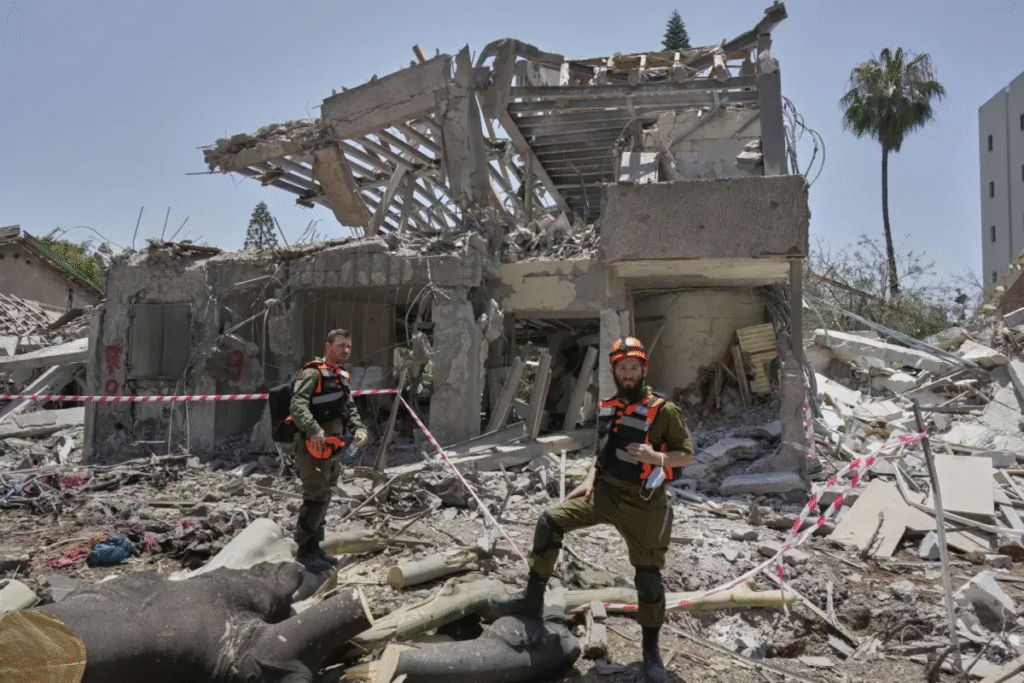
Beersheba’s Soroka Hospital sustained great damage, along with Tel Aviv residential buildings, IDF Kirya HQ, and civilian homes in Ramat Gan and Rishon LeZion
Fatalities and Injuries:
Reports estimate 800–974 killed (both civilian & military) and over 1,300 injured in Iran from Israeli strikes .
Targeted Sites:
Multiple nuclear, command, and missile sites were attacked — including Arak and Natanz, with notable civilian collateral damage
Qatar & U.S. Diplomacy:
Qatar and the U.S. mediated ceasefire talks. Mister Vance and Rubio reportedly involved; Qatari officials urged calm and brokered deconfliction agreements .
UN & International Community:
UN Secretary-General Guterres demanded immediate cessation, warning of broader escalation. EU and G7 nations strongly urged restraint .
Domestic Politics:
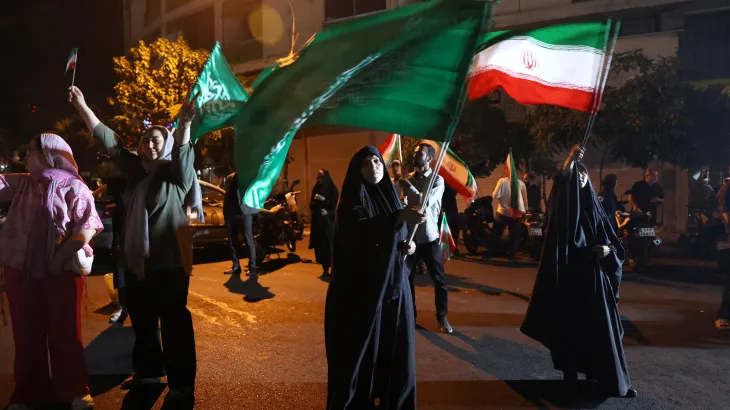
Inside Israel, Defense Minister Gallant called Iran “a country of terror,” while in Tehran, public celebrations erupted, cheering the missile launches.
Regional Actors:
Iran’s Revolutionary Guard announced up to 90–95 percent hit rate on missiles; Israel credited U.S.–aided defense systems achieving a 99 percent interception success rate
Iran’s ceasefire was announced early Tuesday, but missiles still launched hours later—highlighting execution lapses and mistrust.
Conditional Terms:
Iran’s declaration was contingent on Israel halting strikes first. Israel’s silence implies terms weren’t met .
Fragile Peace:
With neither side fully committed publicly, the temporary truce remains precarious. Analysts warn even minor violations could reignite conflict.
- Israel may issue a formal statement signaling de-escalation.
- Iran could reciprocate with immediate halt to all military activity.
Humanitarian Relief & Diplomatic Pressure
- International bodies could facilitate aid and monitor compliance.
- Mediation from Qatar, U.S., EU, or U.N. could strengthen the truce.
Strategic Military Retrenchment
- Israeli forces likely to scale back strikes in Iran if freeze holds.
- Iran may reduce missile salvoes, keeping a watch on any Israeli moves.
Renewed Escalation Risk
- A single misfire or disputed strike could derail progress.
- Proxy factions (e.g., Hezbollah) may exploit a fragile peace to provoke action.
✅ Yes, a ceasefire was publicly announced by Iran, with U.S. and Qatari support—but Israel has not confirmed or commented, and missile fire continued.
💀 Hundreds–thousands of casualties on both sides. Beersheba, Soroka Hospital, and key Iranian nuclear/military facilities were devastated.
🕊️ The ceasefire remains fragile, dependent on trust, verification, and parallel de-escalation by both parties.
🌍 International mediation, particularly from Qatar, the U.S., and UN partners, is critical to cementing this pause and preventing a flare-up.
This conflict has regional and global ramifications:
- Energy markets are sensitive to any disruption in Middle East peace.
- Global diplomacy is under strain; international actors must coordinate pressures and incentives.
- Local security in Israel and surrounding areas remains volatile—alert levels and evacuations persist.
| Statistic | Value |
|---|
| Duration of “12-Day War” | ~June 13–24 |
| Missiles launched by Iran | ~200 per major wave |
| Beersheba deaths (June 24) | 4 civilians |
| Wounded in Beersheba | 8 |
| Total Israeli fatalities | ≥24 |
| Israeli injuries | ~2,500 |
| Iranian fatalities | ~800–974 |
| Iranian injuries | >1,300 |
| Soroka injured | ≥50 |
An official statement from Israel confirming or rejecting the truce.
Evidence of de-escalation: missile alerts falling, evacuation orders lifted.
Diplomatic activity: U.S.–Qatar envoys, possible U.N. ceasefire monitoring mission.
Continued reporting on casualty figures, especially unverified claims.
Global financial markets—energy prices, defense stocks, risk assessments.
Read Also : Russian attacks on Ukraine kill at least 10 and injure dozens