Delhi Weather Today: Will Dense Fog Continue or Will Strong Winds Push Winter Out? 7-Day Forecast Revealed
Delhi remains under dense fog as winter tightens its grip. Will upcoming winds clear the fog? Check IMD’s latest weather forecast and updates
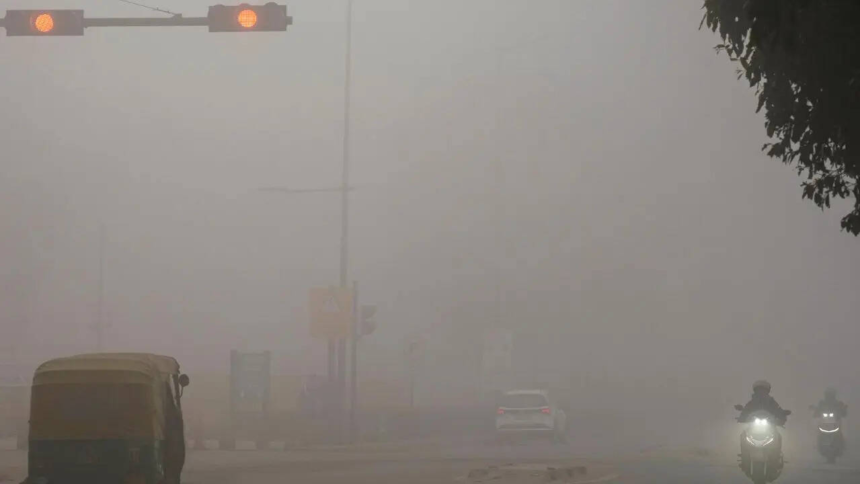
Delhi continues to battle dense fog, chilly temperatures, and winter haze, leaving residents wondering whether the cold spell will persist or if changing winds will finally bring relief. As the national capital remains under the grip of reduced visibility, low temperatures, and lingering air quality concerns, the India Meteorological Department (IMD) has issued fresh updates on fog intensity, wind patterns, and the possible easing of winter conditions.
Over the past several days, dense fog has disrupted daily life in Delhi, impacting road traffic, railway operations, and flight schedules. Morning visibility levels have dropped significantly, raising concerns about commuter safety and travel delays. With northwesterly winds expected to strengthen in the coming days, weather experts suggest that a gradual shift in winter intensity may be on the horizon.
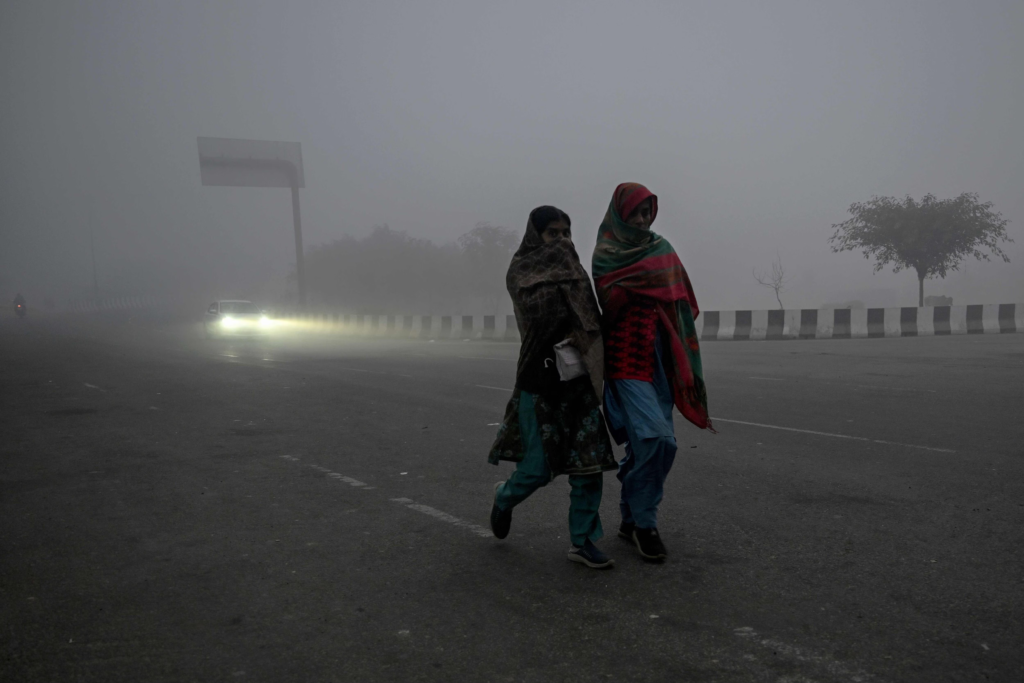
Delhi has been experiencing persistent dense fog, especially during the early morning and late-night hours. The fog is driven by high humidity, calm wind conditions, and a strong cold air layer near the surface, creating an environment ideal for prolonged fog formation.
Key weather conditions currently affecting Delhi:
- Visibility dropping to very low levels during early morning hours
- Minimum temperatures hovering in the low-to-mid single digits
- High moisture content in the air, fueling fog formation
- Weak surface winds, preventing fog dispersal
- Cold wave-like conditions in select parts of the city
Meteorologists explain that when winds remain weak and humidity stays high, fog tends to linger longer, making it harder for sunlight to break through and clear visibility.
According to the IMD, dense to very dense fog is likely to continue over Delhi and surrounding NCR regions for the next few days, especially during nighttime and early morning hours.
However, there is hope for gradual improvement, as weather models indicate a potential increase in wind speed, which could help disperse fog and reduce moisture accumulation.
IMD’s short-term forecast highlights:
- Dense fog likely to persist for 2–4 more days
- Wind speed expected to increase gradually
- Visibility improvements possible by midweek
- Slight rise in minimum temperatures anticipated
If stronger winds move in from the northwest, fog intensity could reduce significantly, leading to clearer mornings and slightly warmer daytime conditions.
One of the biggest questions on residents’ minds is whether incoming winds will finally weaken winter’s grip on the capital.
Meteorologists say winter is unlikely to disappear suddenly, but a slow transition toward milder conditions could begin as:
- Cold air circulation weakens
- Wind flow improves
- Daytime temperatures start to climb
- Sunshine hours increase
What stronger winds could bring:
- Reduced fog formation
- Improved visibility on roads and highways
- Slightly warmer daytime temperatures
- Better dispersion of air pollutants
- Gradual easing of winter chill
While winter will not end immediately, weather experts suggest that the most intense phase of the cold season may soon begin to ease.
Dense fog has already caused major disruptions across Delhi’s transport networks.
Road Traffic:
- Low visibility increases accident risk
- Slower traffic movement on highways
- Delays during morning commute hours
Railways:
- Several trains delayed due to poor visibility
- Speed restrictions imposed for safety
- Passenger travel affected on major routes
Aviation:
- Flight delays and diversions reported
- Low-visibility landing procedures activated
- Early morning departures impacted
Authorities continue to advise caution while driving, urging commuters to use fog lights, maintain safe distances, and avoid high speeds.
Fog in Delhi often worsens air pollution levels, creating a smog-like effect that traps pollutants close to the ground.
How fog affects air quality:
- Pollutants remain suspended longer
- PM2.5 and PM10 concentrations rise
- Respiratory issues become more common
- Visibility worsens due to smog accumulation
Health experts warn that prolonged exposure to foggy and polluted air can cause:
- Breathing difficulties
- Eye irritation
- Asthma flare-ups
- Increased respiratory infections
Residents, especially children, elderly individuals, and those with lung conditions, are advised to limit outdoor exposure during peak fog hours.
Delhi’s temperatures have remained consistently low, with nighttime minimums dipping significantly in recent days.
Current temperature pattern:
- Minimum temperatures remain cold but stable
- Daytime highs showing slight improvement
- Chill factor remains strong during early mornings
IMD officials say temperatures could rise gradually if wind speeds increase and cloud cover changes. However, intermittent cold mornings may continue for the next week.
The 7-day Delhi weather outlook suggests a slow transition rather than an abrupt end to winter.
Expected trends:
- Fog continuing but becoming less intense
- Winds strengthening gradually
- Slight warming during afternoons
- Chilly mornings still likely
- Air quality fluctuations depending on wind flow
If weather systems shift favorably, Delhi could experience clearer skies and improved morning visibility toward the end of the week.
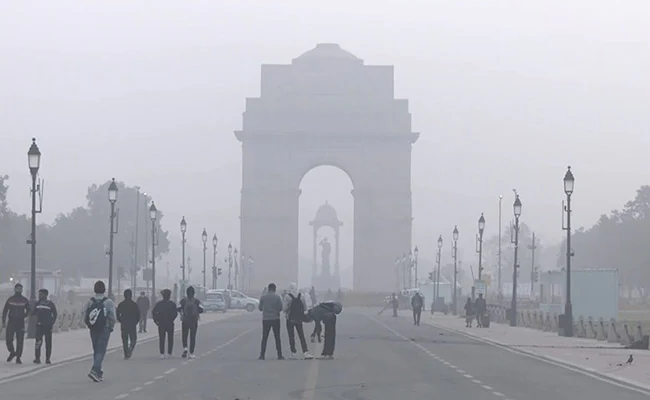
Authorities have issued public safety advisories to reduce risks during foggy conditions.
Travel Safety Tips:
- Use low-beam headlights or fog lamps
- Avoid sudden braking
- Maintain safe following distance
- Reduce speed on highways
Health Safety Tips:
- Wear masks outdoors
- Stay hydrated
- Avoid strenuous outdoor exercise in fog
- Keep homes ventilated
General Recommendations:
- Check weather updates before traveling
- Delay non-essential travel during heavy fog
- Follow traffic advisories issued by authorities
Delhi’s geographical location and climate make it particularly prone to dense winter fog.
Major contributing factors:
- Cold air trapped near the ground
- High humidity levels
- Low wind movement
- Urban pollution intensifying condensation
- Nearby agricultural regions adding particulate matter
Experts note that urban expansion and pollution have worsened fog intensity over the years, making winter visibility challenges more frequent.
Climatologists suggest that winter in Delhi typically starts weakening gradually toward late January and early February, depending on weather patterns.
Signs winter may start fading:
- Rising minimum temperatures
- Longer daylight hours
- Stronger daytime sunshine
- Reduced fog frequency
While cold mornings may continue, the harshest winter phase is expected to taper off soon, leading to more comfortable daytime conditions.
Residents across Delhi are eagerly awaiting clearer mornings and warmer days.
Many citizens say:
- Fog has made daily commutes stressful
- Cold mornings remain uncomfortable
- They hope winds will improve air quality and visibility
Social media continues to buzz with weather updates, fog visuals, and winter memes, reflecting the city’s shared anticipation for seasonal relief.
Read Also : Dimple Mehta Elected Mayor, Dhruvkishor Patil Becomes Deputy Mayor With Historic Majority in Mira-Bhayandar