Diplomatic Storm: 4 Youth Congress Members Sent to Police Custody After Explosive Protest at AI Summit Shakes India’s Global Image
A Delhi court sends four members of the Indian Youth Congress to police custody after a controversial protest at the AI Summit allegedly dented India’s diplomatic image
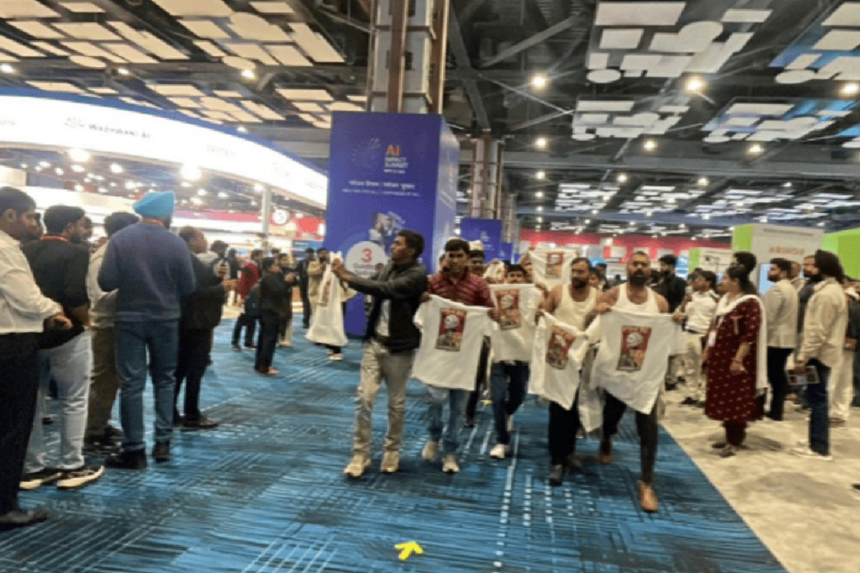
In a dramatic development that has sparked political debate and diplomatic scrutiny, a Delhi court has sent four members of the Indian Youth Congress to police custody following a protest that disrupted a high-profile AI Summit in the national capital. Authorities argue that the demonstration not only breached security protocols but also risked denting India’s carefully curated diplomatic image at a globally attended event.
The incident has triggered sharp reactions across political circles, raising critical questions about protest rights, national security, and the balance between democratic expression and international optics.
The protest occurred during a prestigious AI Summit that drew international delegates, diplomats, tech leaders, and policymakers. The event was seen as a platform for India to showcase its technological leadership and emerging influence in artificial intelligence.
According to police reports, the four accused individuals allegedly attempted to stage a disruptive protest within or near the summit venue. Security personnel swiftly intervened, detaining the protesters and preventing what officials described as a potential “security embarrassment.”
Authorities claim that the protest was strategically timed to maximize attention, given the presence of foreign dignitaries and global media.
During the court hearing, the prosecution argued that custodial interrogation was necessary to determine:
- Whether the protest was pre-planned or coordinated.
- If there were additional individuals involved.
- Whether security protocols were deliberately bypassed.
- If digital communication channels were used to organize the demonstration.
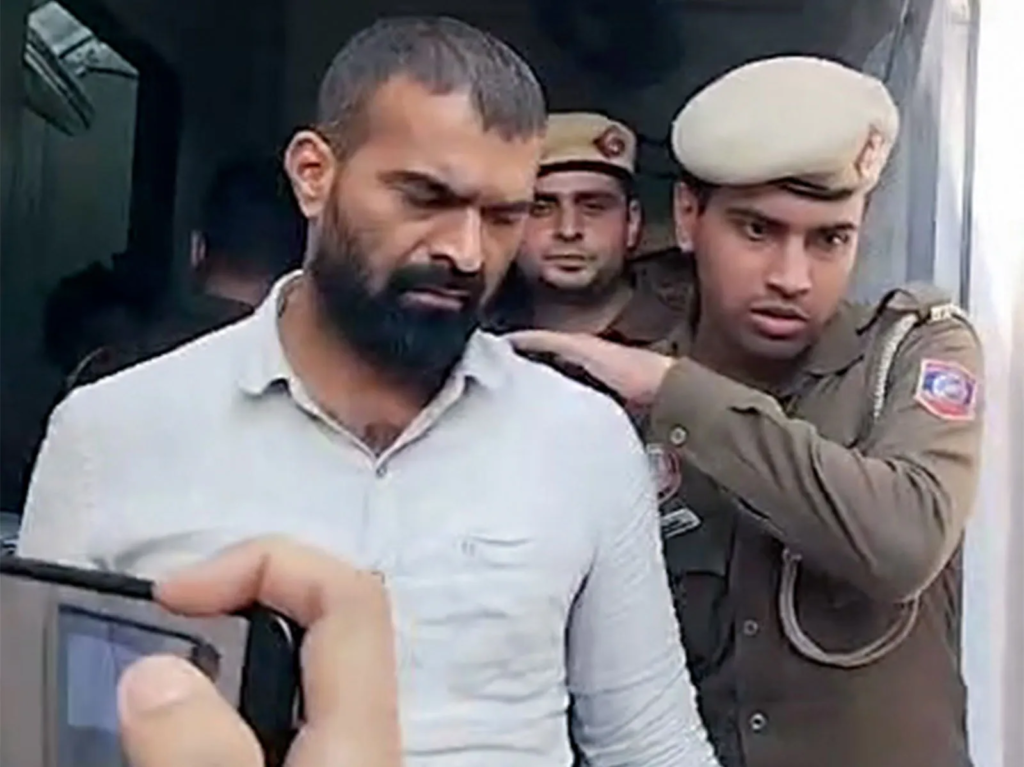
The court subsequently granted police custody of the four individuals, citing the need for further investigation.
Defense lawyers, however, maintained that the protest was peaceful and part of democratic expression, contesting claims that it posed any serious threat to diplomatic relations.
The AI Summit was widely viewed as a critical opportunity for India to strengthen partnerships in emerging technologies. With representatives from multiple nations in attendance, the event symbolized India’s ambition to position itself as a global AI powerhouse.
Government sources suggest that any visible disruption during such high-profile events could:
- Undermine investor confidence
- Create negative international headlines
- Raise questions about security preparedness
- Impact bilateral engagements
Officials argue that even symbolic protests during globally televised events can be amplified internationally, potentially overshadowing the summit’s achievements.
The protest and subsequent arrests have ignited a fierce political debate.
Leaders aligned with the ruling establishment have condemned the disruption, describing it as irresponsible and damaging to national interests. They argue that international platforms should remain insulated from domestic political confrontations.
Meanwhile, opposition voices contend that protest is a fundamental democratic right. They question whether the diplomatic image argument is being used to justify stringent action against dissent.
The incident has thus evolved beyond a simple law-and-order matter into a broader ideological confrontation.
India has hosted numerous global conferences in recent years, strengthening its reputation as a stable and secure destination for international summits.
Security at such events typically includes:
- Multi-layered perimeter control
- Advanced surveillance systems
- Background checks for attendees
- Coordination between local police and central agencies
- Rapid-response teams
Any breach, even if non-violent, is often treated seriously due to the international visibility attached to such gatherings.
Officials argue that maintaining a flawless security record is essential to preserving India’s diplomatic standing.
At the heart of the controversy lies a complex question: where does one draw the line between democratic dissent and national image management?
India’s Constitution guarantees the right to peaceful protest. However, authorities emphasize that such rights come with reasonable restrictions, especially when national security or diplomatic commitments are at stake.
Legal experts suggest that courts will likely examine:
- Whether the protest was indeed peaceful
- Whether security laws were violated
- Whether the action genuinely posed a diplomatic risk
- Whether due process was followed in detentions
This case could potentially become a reference point for how future protests at international events are handled.
The summit itself was focused on advancing artificial intelligence research, policy frameworks, and international collaboration. India has been actively investing in AI innovation, startup ecosystems, and digital infrastructure.
The government views such summits as strategic platforms to:
- Attract global investment
- Foster cross-border research collaboration
- Showcase domestic technological capabilities
- Strengthen geopolitical partnerships
While the protest briefly diverted attention, officials insist that the summit’s objectives remain intact.
The incident quickly became a trending topic online. Social media users expressed divided opinions:
- Some supported strict action, emphasizing national pride and diplomatic decorum.
- Others criticized what they perceived as excessive force against dissent.
- Legal analysts debated the proportionality of police custody.
- Political commentators framed the incident within broader ideological narratives.
Hashtags related to the protest and arrests saw rapid engagement, reflecting the sensitivity of the issue.
The four individuals in police custody will likely face further questioning before potential judicial review. Investigators may examine digital evidence, communication records, and possible links to broader organizational strategies.
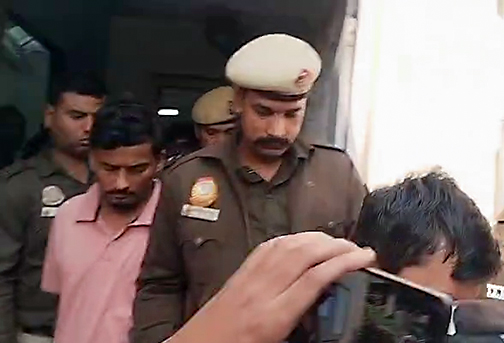
Depending on the findings, the case could proceed in multiple directions:
- Formal charges under public order laws
- Conditional bail
- Prolonged legal proceedings
- Or dismissal if insufficient evidence emerges
Legal experts caution against premature conclusions, noting that court proceedings must follow due process.
This episode may have long-term implications for how political groups approach protests during global events hosted in India.
Future gatherings — whether economic forums, diplomatic summits, or technological conferences — could witness tighter security protocols and stricter access controls.
Political organizations may also reassess their strategies to avoid legal repercussions while continuing to exercise their right to dissent.
Diplomatic image is not solely about security — it is also about perception. In an interconnected media landscape, even minor disruptions can be magnified internationally.
Foreign investors and diplomats often evaluate host nations on multiple parameters, including political stability and event management capabilities.
While one isolated protest is unlikely to permanently affect India’s global standing, officials argue that maintaining a strong, controlled environment is essential for long-term credibility.
The Delhi court’s decision to send four members of the Indian Youth Congress to police custody following the AI Summit protest has sparked a layered debate touching law, politics, and diplomacy.
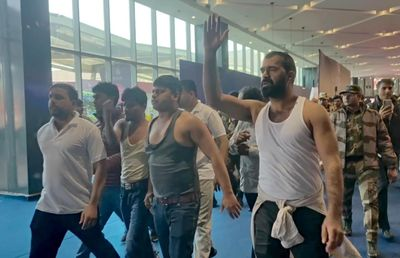
On one side lies the argument for safeguarding India’s global image during high-stakes international engagements. On the other stands the principle of democratic expression and the right to dissent.
As the legal process unfolds, the case will likely serve as a touchstone for balancing national prestige with civil liberties in an increasingly globalized era.
For now, the spotlight remains on the courtroom — and on the broader question of how modern democracies navigate dissent in the age of international diplomacy and digital amplification.