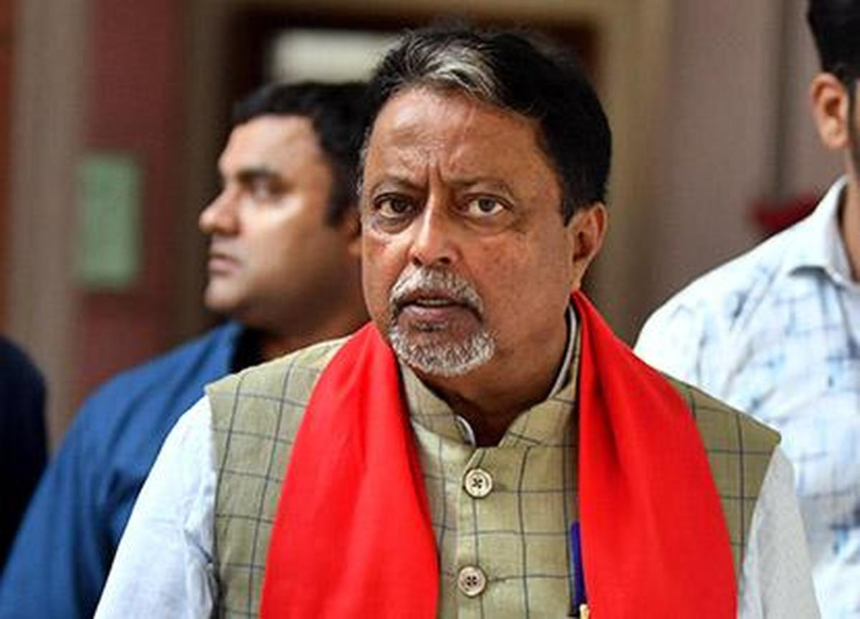
End of an Era: 7 Key Facts as Former Railway Minister Mukul Roy Passes Away After Prolonged Illness
Former Union Railway Minister Mukul Roy passes away after a prolonged illness. Here are key facts about his political journey, legacy in Indian Railways, and reactions from leaders across parties
India mourns the loss of senior political leader and former Union Railway Minister Mukul Roy, who passed away after a prolonged illness. A seasoned political strategist and influential figure in West Bengal politics, Roy’s death marks the end of a significant chapter in contemporary Indian political history.
Leaders across party lines have expressed grief over his passing, remembering him as a master organizer, a shrewd negotiator, and a pivotal force in shaping political narratives in eastern India.
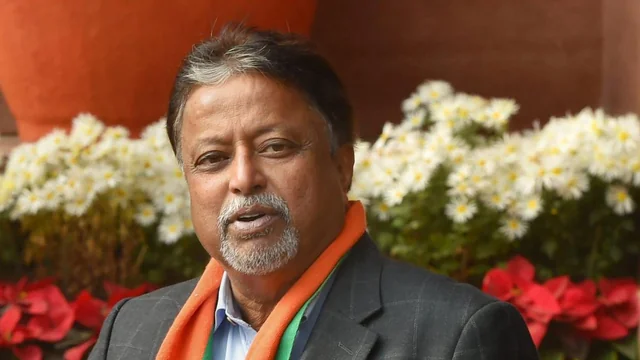
Mukul Roy’s political career spanned several decades, during which he held multiple influential roles at both the state and national levels. Known for his deep organizational skills and strategic mind, Roy was widely regarded as one of the most astute political operators of his generation.
He began his career in grassroots politics before rising through the ranks to occupy positions of national importance. His ability to build alliances and navigate complex political terrains made him a trusted figure among colleagues and party workers alike.
Over the years, Roy became synonymous with behind-the-scenes strategy, often playing a decisive role in electoral battles and party-building efforts.
center of one of India’s most critical public infrastructure sectors. The Indian Railways, one of the world’s largest rail networks, serves millions of passengers daily and plays a vital role in economic connectivity.
As Railway Minister, Roy was known for his pragmatic approach. His tenure focused on:
- Strengthening passenger services
- Improving operational efficiency
- Expanding rail connectivity
- Enhancing safety measures
While not always in the spotlight, his administrative style was widely seen as steady and methodical.
While Roy held national positions, his political influence remained deeply rooted in West Bengal. He was instrumental in shaping political dynamics in the state, often acting as a bridge between regional and national political currents.
Observers frequently described him as a “kingmaker,” someone who could influence outcomes through organizational strength rather than public rhetoric.
His deep understanding of Bengal’s socio-political fabric allowed him to maintain relevance even as political landscapes shifted dramatically over the years.
One of Mukul Roy’s defining traits was his reputation as a master strategist. Colleagues often credited him with:
- Building strong booth-level networks
- Managing complex coalition equations
- Negotiating political transitions
- Anticipating electoral trends
Unlike leaders who thrived on mass rallies and public visibility, Roy’s strength lay in meticulous planning and organizational depth.
His ability to stay calm during turbulent political phases earned him respect across ideological divides.
Roy’s career was marked by notable political transitions that reflected both personal convictions and evolving political realities. Over time, he navigated shifts that reshaped his alliances and ideological positioning.
Such transitions, while sometimes controversial, underscored his adaptability — a rare quality in Indian politics, where long-term loyalties often define careers.
Despite the debates surrounding these shifts, Roy remained a central figure in political discourse, with his moves often triggering wider strategic recalibrations within parties.
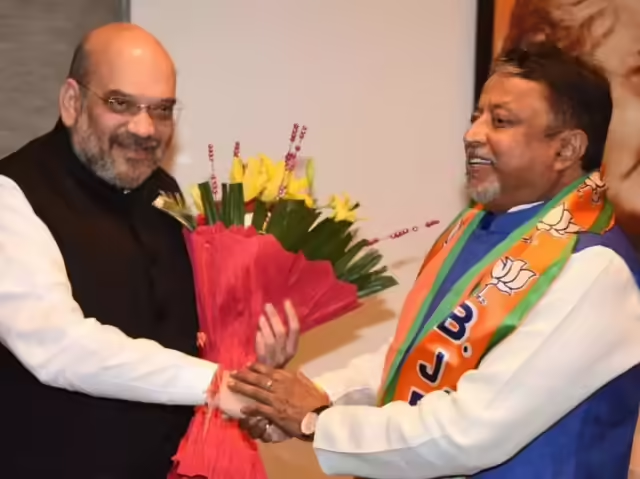
In recent years, Mukul Roy had been battling prolonged health issues. Public appearances became infrequent, and political activity gradually reduced as his health declined.
Family members and close associates had occasionally shared updates, requesting privacy while acknowledging the seriousness of his condition.
His passing, though anticipated due to prolonged illness, has left a void in political circles that had grown accustomed to his quiet yet powerful presence.
Following news of his demise, condolences poured in from leaders across party lines. Political figures, former colleagues, and public representatives expressed deep sorrow, highlighting his contributions to governance and political organization.
Many tributes emphasized:
- His sharp political acumen
- Administrative experience
- Commitment to public service
- Ability to maintain personal relationships across rival camps
Such cross-party tributes reflect the respect Roy commanded beyond political affiliations.
Roy’s tenure as Railway Minister remains an important part of his public legacy. Even though it was relatively brief compared to some of his other roles, it came during a crucial phase for Indian Railways.
His contributions are often remembered for:
- Maintaining continuity in policy execution
- Ensuring administrative stability
- Supporting infrastructure expansion initiatives
For many observers, his time in the Railways symbolized his ability to handle large, complex institutions with composure.
In West Bengal, Roy’s legacy carries a deeper emotional resonance. Political observers often note that few leaders understood the intricacies of Bengal’s political ecosystem as deeply as he did.
From cadre management to electoral planning, his influence shaped multiple political cycles in the state.
Even those who disagreed with his political choices acknowledged his role as a formidable strategist who could read the pulse of the electorate.
Unlike many contemporary politicians who rely heavily on public visibility and media narratives, Mukul Roy preferred a low-profile approach. He was known for:
- Limited public appearances
- Minimal rhetorical flamboyance
- Strong internal networking
- Quiet decision-making
This understated style often enhanced his mystique, making him a figure of intrigue in political corridors.
Several younger politicians credit Roy as a mentor who guided them through the complexities of political organization. His insights into campaign planning and party structure were widely valued.
For emerging leaders, his journey serves as a case study in how influence in politics is not always tied to public visibility but often built through groundwork and persistence.
News of Roy’s passing quickly dominated television debates and digital platforms. News outlets ran special segments analyzing his political journey, while social media saw an outpouring of condolences and recollections.
Many users shared archival photographs and anecdotes, reflecting on his role in shaping pivotal political moments.
The widespread coverage underscores the depth of his impact on India’s political narrative.
With Mukul Roy’s passing, many commentators have described the moment as the end of an era — particularly in the context of West Bengal’s evolving political landscape.
His generation of leaders, known for strong organizational politics and ideological adaptability, played a crucial role in shaping modern regional power structures.
Roy’s absence will likely be felt not just in political offices but also in strategic circles where his counsel once held significant weight.
Mukul Roy’s journey offers several insights into the nature of political longevity:
- Organizational depth often outlasts public popularity.
- Adaptability is key in dynamic political environments.
- Strategic thinking can define legacy as much as public office.
- Relationships across political divides matter.
These lessons continue to resonate for students of political science and practitioners alike.
As tributes continue to pour in, the nation bids farewell to a leader whose influence often operated beyond headlines but left a lasting imprint on India’s political framework.
Former Union Railway Minister Mukul Roy’s life was a testament to the power of strategy, resilience, and quiet determination.
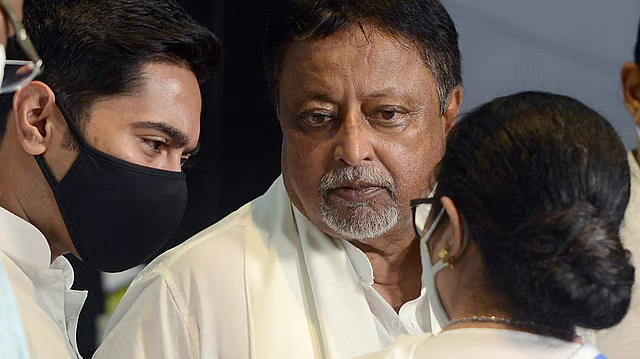
While his voice may no longer echo in political corridors, his legacy — shaped through decades of public service and political craftsmanship — will remain embedded in India’s democratic journey.