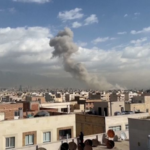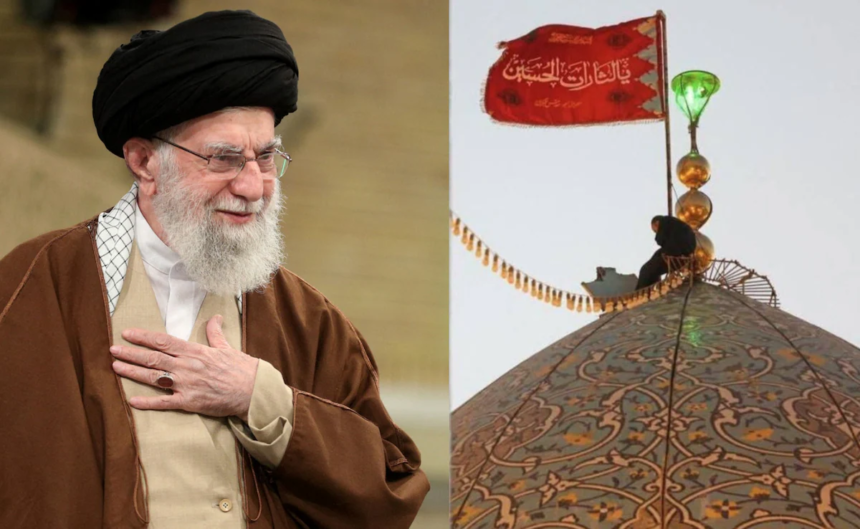
GLOBAL SHOCK: Iran Enters Survival Mode After Assassination of Khamenei — 40 Commanders Dead, 40-Day Mourning Declared
Shockwaves hit Iran after reports of the alleged assassination of Ayatollah Ali Khamenei, triggering political uncertainty, security crackdowns, and fears of regional escalation
In a development that has sent shockwaves across the globe, Iran is reportedly in survival mode following the alleged assassination of its Supreme Leader, Ayatollah Ali Khamenei. If confirmed, the killing of the country’s most powerful political and religious authority would mark one of the most consequential geopolitical events of the 21st century, reshaping not only Iran’s internal power structure but also the future of the Middle East.
The news has triggered widespread uncertainty, with reports of emergency security measures, political upheaval, and fears of regional escalation dominating headlines. As details continue to emerge, analysts warn that Iran may be entering its most volatile period since the 1979 Islamic Revolution.
The alleged assassination of Khamenei represents more than the loss of a national leader—it threatens the very core of Iran’s governing system. As Supreme Leader, Khamenei wielded ultimate authority over the military, judiciary, intelligence agencies, and key state institutions. His position placed him above the president and parliament, making him the central pillar of the Islamic Republic.
News of his assassination reportedly prompted immediate lockdowns across major cities, including Tehran. Heavily armed security forces were deployed at strategic locations such as government buildings, military bases, and nuclear facilities. Internet disruptions and communication restrictions were also reported, signaling the regime’s attempt to control the flow of information.
The Iranian leadership is believed to have convened emergency meetings behind closed doors to assess the implications of the crisis and chart a path forward.
One of the most immediate consequences of Khamenei’s reported assassination is the looming leadership vacuum. Iran’s constitution outlines a process for selecting a new Supreme Leader through the Assembly of Experts, but such transitions are typically lengthy and politically sensitive.
In the interim, speculation is mounting that a temporary leadership council could assume authority to prevent institutional collapse. However, any succession battle is likely to expose deep divisions within Iran’s political and clerical elite.
Hardline factions, reformist elements, and powerful military actors such as the Islamic Revolutionary Guard Corps (IRGC) could all attempt to shape the post-Khamenei order. The risk of internal rivalry spilling into open confrontation remains a major concern for observers.
Some analysts warn that a contested succession could weaken central authority, embolden dissidents, and destabilize governance across the country.
In response to the crisis, Iran has reportedly implemented sweeping security measures. Military patrols have increased in major cities, while border regions are said to be under heightened surveillance. Airports and strategic infrastructure have also seen a surge in security personnel.
Authorities are believed to be bracing for multiple threats simultaneously—internal unrest, foreign intelligence operations, and potential cyberattacks. Historically, moments of national vulnerability have prompted Iran’s leadership to tighten control over public life, and early signs suggest a similar pattern is unfolding.
Reports of arrests and preemptive detentions have surfaced, particularly targeting activists and individuals suspected of anti-government activities. Human rights groups are closely monitoring the situation amid fears of widespread crackdowns.
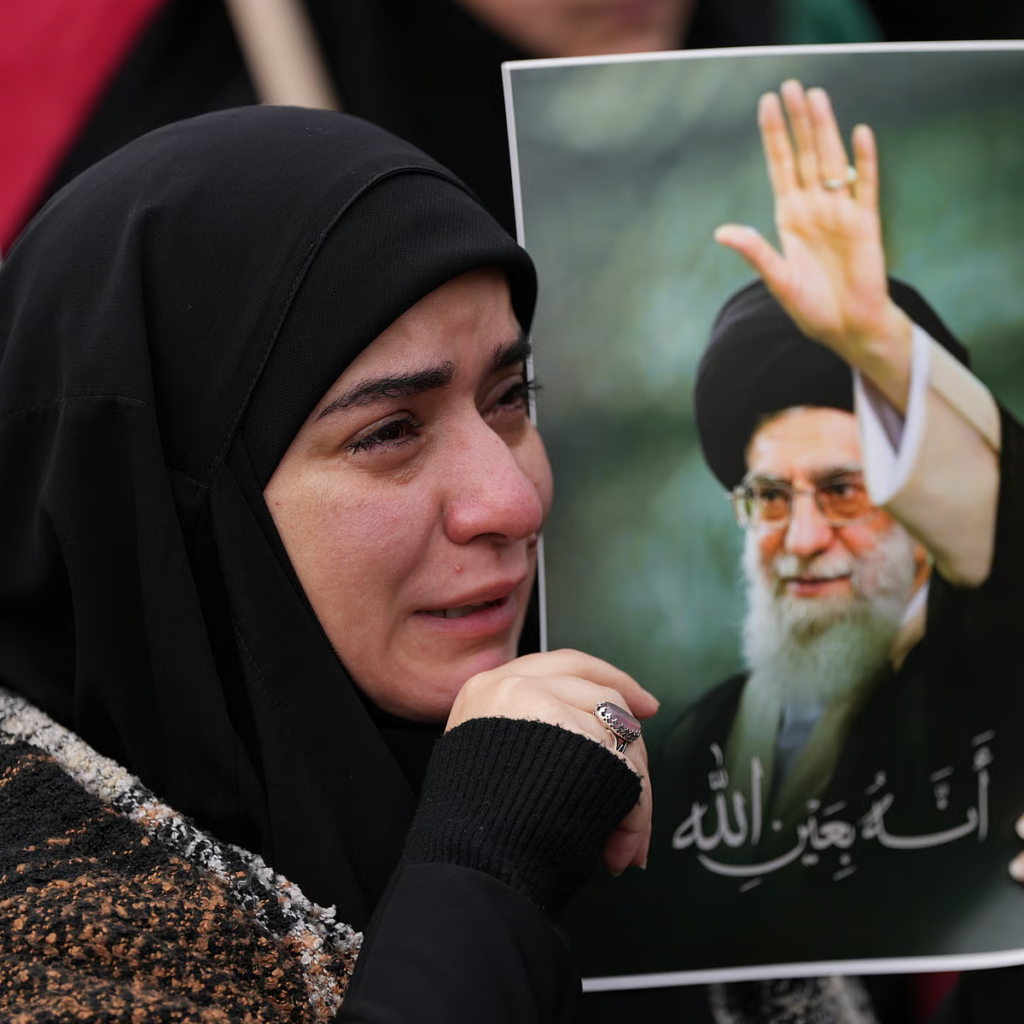
For ordinary Iranians, the reported assassination has created an atmosphere of anxiety and uncertainty. Social media platforms have been flooded with speculation, mourning messages, and conspiracy theories, reflecting both shock and confusion among the population.
While some citizens expressed grief over the loss of a long-serving leader, others voiced concern about what comes next. Economic instability, political repression, and the possibility of war are among the fears dominating public discourse.
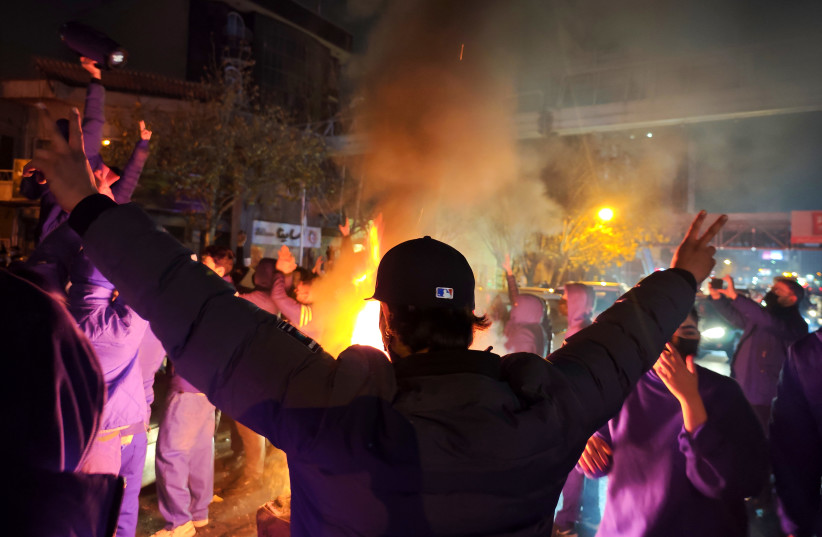
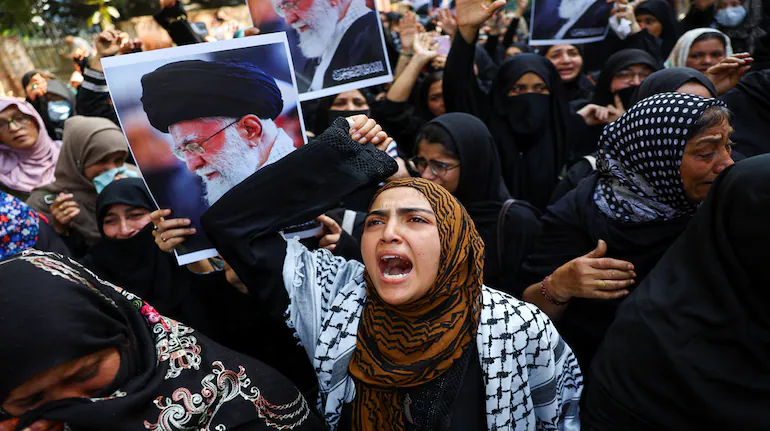
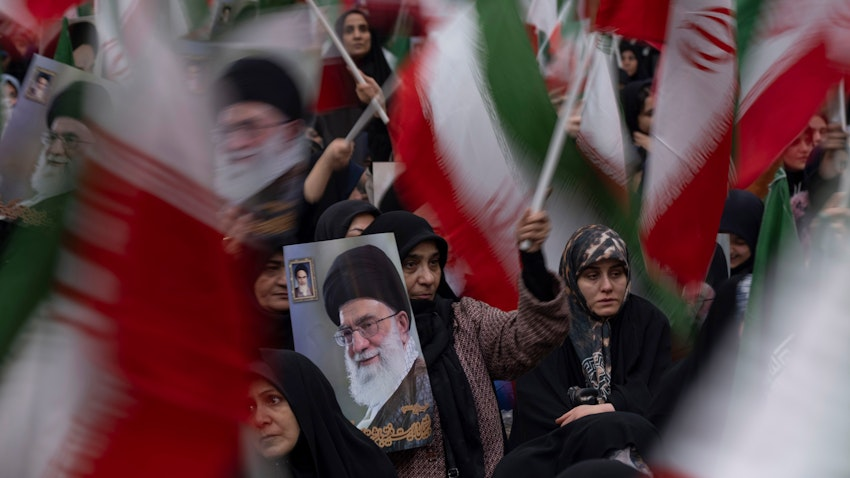
In several cities, spontaneous gatherings were reported, though the nature of these assemblies varied—from mourning vigils to small protest clusters. The government’s response to public reactions could play a key role in determining whether tensions escalate further.
The implications of Khamenei’s assassination extend far beyond Iran’s borders. As a central figure in shaping Tehran’s regional strategy, his leadership influenced alliances, proxy networks, and geopolitical calculations across the Middle East.
Countries in the region are closely monitoring developments, wary of unpredictable outcomes. Some fear that Iran may adopt a more aggressive posture to demonstrate strength and deter perceived enemies. Others worry about instability spilling across borders through proxy conflicts.
If the assassination is linked to foreign actors, the risk of retaliation could dramatically increase. Iran has historically responded forcefully to high-profile attacks, and any perception of external involvement may trigger escalatory measures.
World leaders have reacted with caution, calling for restraint and urging all parties to avoid actions that could worsen an already fragile geopolitical environment. International organizations have emphasized the importance of stability in a region critical to global energy supplies and trade routes.
Diplomatic channels are reportedly active, with backdoor communications aimed at preventing misunderstandings that could spiral into broader conflict. Intelligence agencies worldwide are also assessing the credibility of reports and evaluating potential fallout scenarios.
Financial markets have shown signs of volatility, reflecting uncertainty about how the crisis could impact oil prices, shipping routes, and global security dynamics.
Iran’s political instability has immediate economic ramifications. As a key player in global energy markets, any disruption within the country can have ripple effects worldwide.
Oil prices have historically surged during major Middle East crises, and early indicators suggest similar trends may be emerging. Investors are closely watching whether the situation stabilizes or deteriorates further.
Within Iran, economic consequences could be even more severe. The country has already faced years of sanctions and inflation. A leadership crisis may worsen capital flight, currency depreciation, and unemployment, deepening hardship for ordinary citizens.
Economic fragility often amplifies political unrest, creating a feedback loop that could further destabilize the nation.
If confirmed, the assassination of Khamenei would represent a defining moment in Iran’s modern history. For over three decades, he symbolized continuity within the Islamic Republic’s ideological framework. His absence could usher in a transformative period—either gradual reform or intensified authoritarianism.
Much will depend on how the succession unfolds. A smooth transition could preserve institutional stability, while a chaotic power struggle might fundamentally alter Iran’s political trajectory.
Some observers believe this moment could open space for generational change within the leadership. Others fear it may empower hardliners determined to consolidate control at any cost.
Perhaps the greatest concern surrounding the crisis is the risk of escalation. Iran’s strategic posture has long been shaped by deterrence and retaliation. If the leadership attributes responsibility for the assassination to external enemies, the likelihood of military responses could rise sharply.
Such developments would have profound consequences not just for Iran, but for the entire region and beyond. Escalation scenarios range from proxy confrontations to direct military exchanges, each carrying unpredictable outcomes.
Global powers are likely to intensify diplomatic efforts in the coming days to prevent the situation from spiraling into open conflict.