How MGNREGA Transformed Caste & Gender Relations — 7 Big Impacts and Why Workers Fear Losing It
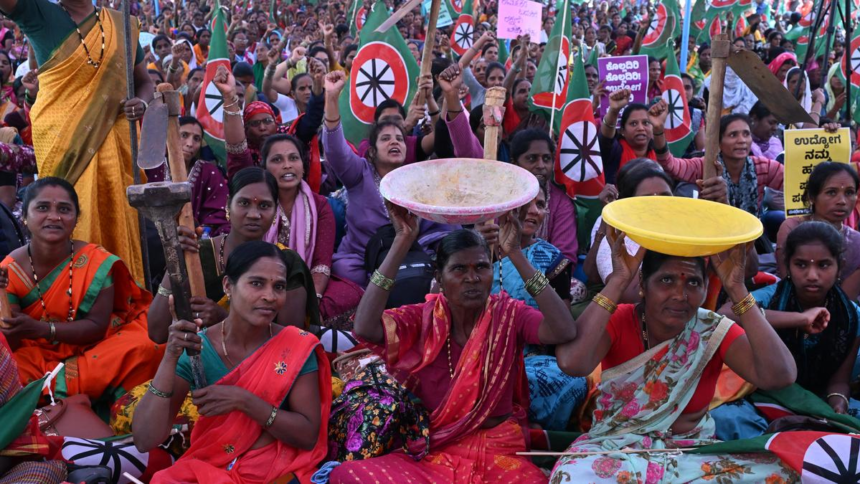
How MGNREGA transformed caste and gender relations in rural India, empowered workers, and why millions now fear losing this crucial employment scheme
The Mahatma Gandhi National Rural Employment Guarantee Act (MGNREGA) is widely regarded as one of India’s most transformative social welfare programs, reshaping not just rural employment but also deep-rooted caste hierarchies, gender power structures, and economic inequalities. Since its launch in 2006, MGNREGA has provided a lifeline to millions of rural households, offering guaranteed wage employment while empowering marginalized communities, especially women and lower-caste workers.
However, amid budget constraints, delayed wage payments, shrinking workdays, and policy changes, workers across India are increasingly worried about losing access to this critical safety net. This fear is not only about income loss — it is about the erosion of dignity, independence, and hard-won social progress.
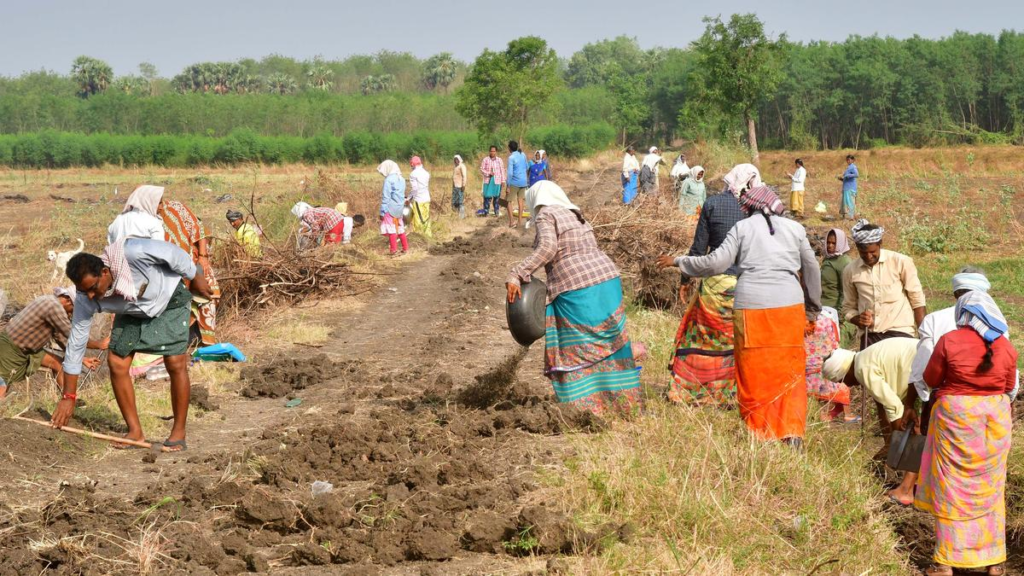
This article explores how MGNREGA reshaped caste and gender relations, empowered rural communities, improved bargaining power, and why workers now fear the future of the scheme.
MGNREGA guarantees 100 days of wage employment per year to every rural household that requests work. The scheme focuses on unskilled manual labor, including activities such as:
- Water conservation
- Rural road construction
- Land development
- Afforestation
- Irrigation projects
Beyond providing employment, MGNREGA was designed to strengthen rural livelihoods, reduce migration, improve infrastructure, and empower marginalized groups.
One of MGNREGA’s most significant impacts has been its role in weakening traditional caste-based labor hierarchies.
Before MGNREGA
Historically, rural labor markets were dominated by upper-caste landlords, while lower-caste and Dalit communities were often trapped in:
- Exploitative work
- Low wages
- Social discrimination
- Limited job mobility
Lower-caste workers frequently depended on powerful landowners for survival, reinforcing unequal power relations.
After MGNREGA
MGNREGA changed this dynamic by:
- Offering state-backed employment, reducing dependence on landlords
- Providing equal wages regardless of caste
- Creating shared workplaces, where people from different castes worked together
- Increasing social mobility and bargaining power for marginalized communities
Many workers report that MGNREGA has boosted their self-respect, reduced humiliation, and allowed them to negotiate fairer wages in private employment.
MGNREGA has played a crucial role in empowering rural women, reshaping gender norms in conservative communities.
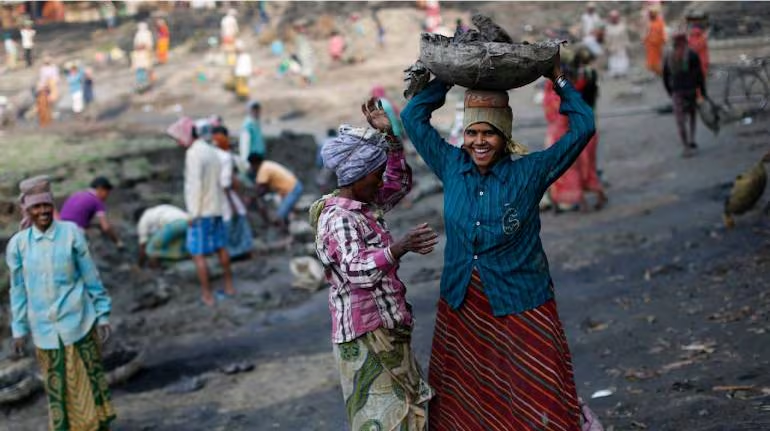
Increased Female Workforce Participation
Women make up nearly half or more of MGNREGA workers in many states. The program encouraged women to:
- Work outside their homes
- Earn independent incomes
- Gain financial decision-making power
Financial Independence for Women
For many rural women, MGNREGA provided their first independent source of income, leading to:
- Greater control over household spending
- Improved bargaining power within families
- Reduced reliance on male relatives
Shift in Social Attitudes
The visibility of women in public workspaces has helped:
- Normalize female employment
- Reduce stigma around working women
- Encourage girls’ education and aspirations
In several villages, women now participate more actively in community decisions and local governance, reflecting broader social change.
MGNREGA did more than provide wages — it restored dignity to marginalized workers.
Workers frequently describe the scheme as:
- A source of self-respect
- A way to earn without humiliation
- An opportunity to contribute meaningfully to their communities
Unlike exploitative private labor, MGNREGA offers legal wage protections, job cards, and transparent work records, giving workers a sense of identity and entitlement.
MGNREGA has helped reduce distress migration, particularly among:
- Dalit communities
- Tribal populations
- Landless laborers
With local employment available, families can:
- Stay together
- Avoid dangerous urban migration
- Reduce reliance on moneylenders and exploitative contractors
This stability has strengthened community cohesion and economic resilience in rural areas.
By guaranteeing minimum wages, MGNREGA raised the floor of rural wage levels.
Key Impacts:
- Private employers had to increase wages to compete
- Workers gained greater negotiation power
- Seasonal exploitation declined in some regions
This shift altered traditional power dynamics, reducing employer dominance over vulnerable workers.
MGNREGA has particularly benefited:
- Scheduled Castes (SCs)
- Scheduled Tribes (STs)
- Landless laborers
- Women-headed households
By ensuring access to work without discrimination, the scheme helped:
- Increase incomes
- Improve food security
- Enable children to attend school
- Reduce caste-based vulnerability
In many areas, Dalit and tribal workers report feeling more confident in asserting their rights.
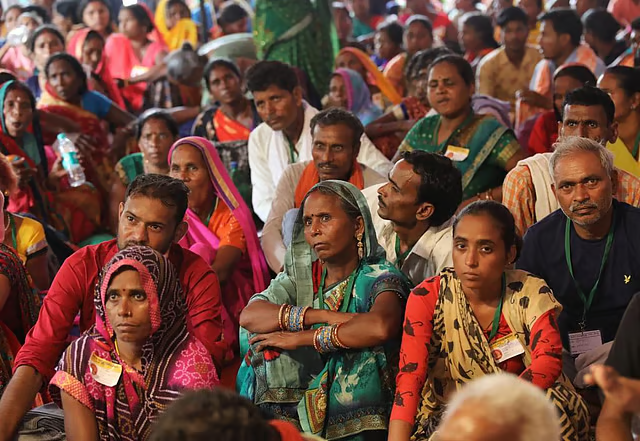
Despite its success, workers across India increasingly fear weakening political commitment and declining support for MGNREGA.
1. Budget Cuts and Reduced Workdays
Workers report:
- Fewer available workdays
- Reduced project approvals
- Lower income opportunities
2. Delayed Wage Payments
Delayed payments have become a major concern, forcing workers to:
- Borrow money
- Depend on informal lenders
- Face financial stress
3. Digital Barriers and Exclusion
New digital requirements — such as biometric attendance and Aadhaar-based payments — have:
- Excluded elderly workers
- Caused payment failures
- Increased administrative hurdles
4. Political and Policy Uncertainty
Workers worry that:
- The scheme may be scaled down
- Funding may decline further
- Employment guarantees may weaken
If MGNREGA were significantly reduced, the consequences could be severe:
Economic Impact
- Rising rural unemployment
- Increased poverty
- Greater migration to cities
Social Impact
- Return of exploitative labor practices
- Weakened caste and gender gains
- Reduced empowerment for women and Dalits
Human Impact
- Increased food insecurity
- Higher debt levels
- Loss of dignity and autonomy
For millions, MGNREGA is not just a job program — it is a foundation of survival and empowerment.
Across villages, workers describe MGNREGA as:
- “Our safety net in hard times”
- “A way to stand on our own feet”
- “The only job we can rely on”
Women workers often emphasize that MGNREGA gave them respect and independence, while Dalit workers highlight how it reduced caste-based dependence.
Economists and social scientists argue that MGNREGA remains essential for inclusive development.
Key Expert Observations:
- It reduces inequality
- It supports rural demand and consumption
- It strengthens local governance
- It promotes social justice and empowerment
Experts stress that instead of weakening the scheme, the government should expand funding, improve implementation, and ensure timely payments.
As India’s rural economy evolves, MGNREGA faces a crossroads.
Possible Paths Forward:
- Expanding guaranteed workdays
- Increasing wages to match inflation
- Improving transparency and accountability
- Enhancing skill development opportunities
- Strengthening worker grievance systems
A stronger MGNREGA could become a pillar of sustainable rural development — while neglect could reverse years of progress.
Read Also : Bengaluru Water Supply Cut 24 Hours: BWSSB Maintenance Schedule, 5 Key Areas Affected