India AI Impact Summit 2026 Day 5 LIVE: 7 Powerful Takeaways as Sundar Pichai Says Pax Silica Will Make Global Supply Chains Safe & Secure
India AI Impact Summit 2026 Day 5 LIVE updates: Sundar Pichai highlights Pax Silica’s role in building safer, smarter, and more secure global supply chains
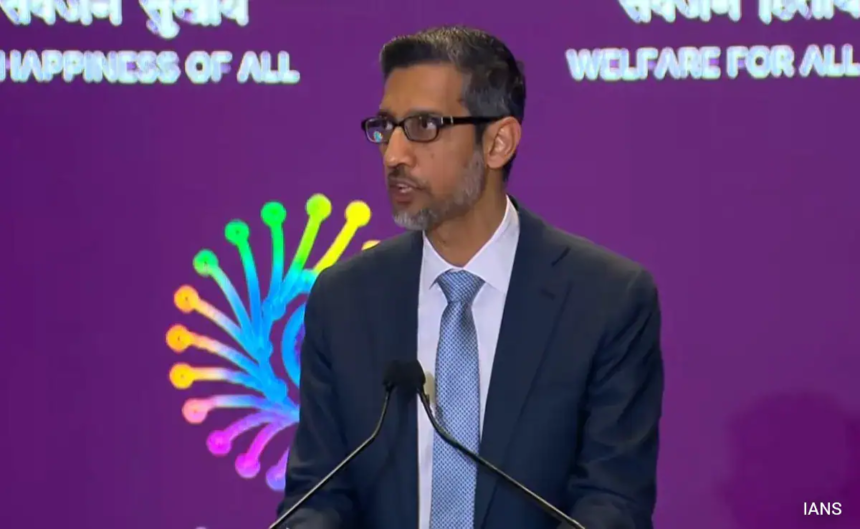
The India AI Impact Summit 2026 entered a decisive phase on Day 5 as global tech leaders, policymakers, and innovators gathered to discuss the next wave of artificial intelligence transformation. The day’s biggest highlight came from Google CEO Sundar Pichai, who unveiled a forward-looking vision centered on secure and resilient supply chains powered by cutting-edge AI infrastructure. His remarks, especially around the concept of Pax Silica, quickly became the defining narrative of the summit’s fifth day.

Artificial intelligence is no longer confined to chatbots, automation tools, or productivity enhancements. According to Pichai, the next frontier lies in strengthening the backbone of the global economy—supply chains. With geopolitical uncertainties, cyber threats, and disruptions ranging from pandemics to climate events, supply chains have emerged as one of the most vulnerable yet critical systems worldwide.
Speaking to a packed auditorium, Pichai emphasized that Pax Silica represents a new paradigm where silicon-driven AI systems ensure transparency, traceability, and resilience across industries. The initiative reflects how AI can move beyond efficiency to deliver stability and trust in interconnected global networks.
While still in its early stages, Pax Silica was described as a framework rather than a single product. It blends advanced AI chips, secure cloud architecture, and decentralized data validation systems to create tamper-resistant supply networks. The goal is to ensure that everything—from raw material sourcing to last-mile delivery—is tracked, verified, and protected against disruption.
Pichai explained that the model relies heavily on AI-powered predictive analytics. These systems analyze patterns across billions of data points in real time to anticipate disruptions before they occur. For example, weather anomalies, port congestion, and geopolitical risks can be detected early, allowing businesses to reroute logistics or adjust inventory strategies proactively.
One of the strongest themes of Day 5 was AI safety. In recent years, concerns about data breaches, AI misuse, and algorithmic vulnerabilities have grown. Addressing these concerns, Pichai stated that trust must be built into AI systems at the hardware level. Pax Silica, he noted, integrates security directly into the silicon layer, ensuring that AI infrastructure remains resilient against cyberattacks.
He also highlighted the importance of quantum-resistant encryption, secure federated learning models, and multi-layer verification protocols. These measures aim to prevent unauthorized access while still enabling global collaboration among enterprises and governments.
Pichai reaffirmed that no single company can build the AI future alone. He announced that Google is working with semiconductor manufacturers, logistics giants, and governments to develop interoperable AI ecosystems. The company’s parent firm, Alphabet, is reportedly investing heavily in next-generation chips optimized for secure AI processing.
Collaborations with Indian startups and research labs were also highlighted. Pichai praised India’s rapidly growing AI talent pool and called the country a “strategic innovation partner” in shaping global AI governance and technology standards.
The summit has underscored India’s growing importance in the global AI race. With its vast developer base, expanding digital infrastructure, and strong policy push, India is positioning itself as a major AI hub. Government representatives at the summit reiterated plans to invest in AI skilling programs, data centers, and ethical AI frameworks.
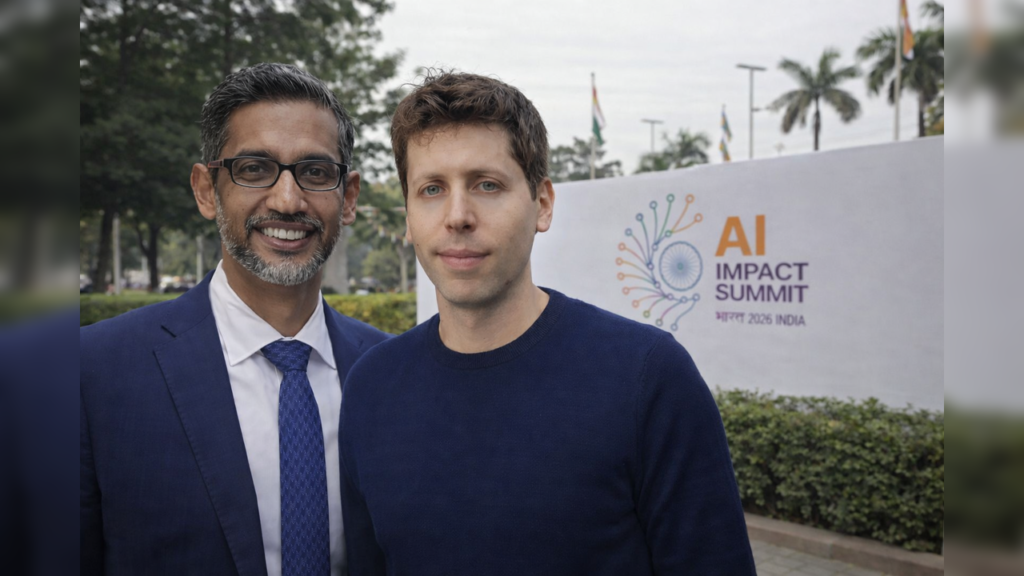
Industry leaders noted that India’s unique scale—combined with diverse use cases across agriculture, healthcare, logistics, and fintech—makes it an ideal testing ground for large-scale AI deployment. Pax Silica’s supply chain focus aligns closely with India’s ambitions to become a manufacturing powerhouse under initiatives like Make in India and digital trade corridors.
If implemented effectively, AI-powered secure supply chains could transform global commerce. Analysts at the summit suggested that the integration of predictive AI into logistics could reduce losses from disruptions by billions of dollars annually. Improved visibility across supply networks may also help stabilize inflation by preventing shortages and price volatility.
From a strategic standpoint, nations investing early in secure AI infrastructure may gain a competitive advantage. Secure supply chains are increasingly tied to national security, especially in sectors like semiconductors, pharmaceuticals, and energy. Pax Silica could potentially redefine how countries approach economic resilience in a rapidly shifting geopolitical landscape.
Despite the excitement, the summit also addressed concerns about governance. Experts warned that powerful AI systems embedded in global supply chains must be guided by transparent policies and international standards. Questions around data ownership, surveillance risks, and cross-border compliance remain key challenges.
Pichai acknowledged these concerns and called for collaborative regulation. He urged governments, tech companies, and civil society to co-create AI safety frameworks that ensure accountability without stifling innovation. He emphasized that responsible AI development must prioritize inclusivity and fairness, particularly for emerging economies.
The announcement around Pax Silica sparked immediate reactions from industry stakeholders. Logistics firms welcomed the focus on predictive AI, while cybersecurity experts praised the emphasis on hardware-level protection. Semiconductor stocks and AI infrastructure companies reportedly saw a surge in investor interest following the keynote.
Startups attending the summit expressed optimism about new partnership opportunities. Many founders highlighted the potential for innovation in areas like AI-driven compliance tracking, smart warehousing, and autonomous logistics platforms.
Closing his address, Pichai painted a broader vision of the AI-powered future. He described a world where supply chains become self-healing systems—automatically adapting to shocks and ensuring uninterrupted delivery of essential goods. In such a world, AI would not just enhance efficiency but fundamentally strengthen the stability of global economies.
He also stressed the importance of inclusive AI development, ensuring that emerging markets benefit from technological advancements. By making AI infrastructure more accessible and secure, Pax Silica could enable small businesses and developing nations to participate more fully in global trade.
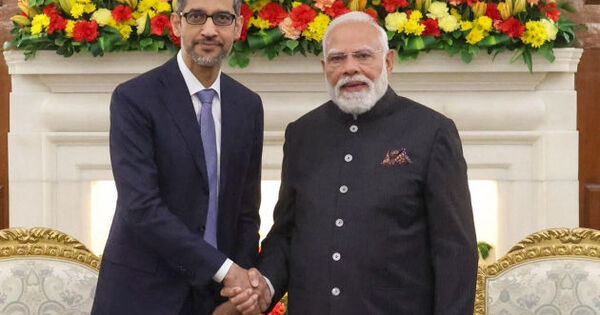
Day 5 of the India AI Impact Summit 2026 delivered several defining insights:
- AI is shifting from productivity tools to foundational infrastructure.
- Secure supply chains are emerging as a top global priority.
- Pax Silica represents a new framework combining silicon, security, and AI intelligence.
- Collaboration between governments and tech giants will shape the AI future.
- India is rapidly becoming a central player in the global AI ecosystem.
- Ethical governance and transparency remain critical for long-term success.
- The next decade of AI will be defined by resilience, trust, and global cooperation.
As the summit moves into its final sessions, the focus is expected to shift toward actionable roadmaps and cross-border collaborations. With policymakers and industry leaders aligned on the need for secure AI infrastructure, announcements around partnerships and investments may follow in the coming days.
The India AI Impact Summit 2026 has already established itself as a milestone event in shaping the trajectory of artificial intelligence. With leaders like Sundar Pichai outlining bold yet pragmatic visions, the conversation is no longer about whether AI will transform the world—but how responsibly and securely that transformation will unfold.
If Day 5 is any indication, the future of AI will be defined not just by innovation but by trust. And with initiatives like Pax Silica taking center stage, the world may be entering a new era where artificial intelligence safeguards the very systems that keep global economies running.
Read Also : Maharashtra Laadki Bahin Scheme: 5 Big Reasons 86 Lakh Names Vanish After e-KYC Drive