


India Slashes GST on 300+ Items: Mixed Reactions Emerge as Consumption Tax Cut Aims to Boost Economy in 2025
India cuts GST on 300+ items in 2025, sparking mixed reactions from businesses and consumers. Tax reduction aims to boost demand, ease inflation, and stimulate economic growth
India’s economy witnessed a major policy shake-up in 2025 as the government announced a sharp reduction in consumption tax (GST) across 300+ items, ranging from essential goods to select consumer products. The move, hailed by some as a much-needed relief for households battling inflation, has also drawn mixed reactions from businesses, economists, and policy experts who question its long-term impact on revenues and fiscal stability.
The Goods and Services Tax (GST), which replaced multiple indirect taxes in 2017, has often been a flashpoint of debate. This latest round of tax reforms underlines the government’s focus on stimulating demand, easing inflationary pressure, and boosting consumer spending ahead of the festival season and in the run-up to the 2025-26 fiscal year.

The GST Council’s 2025 decision slashes taxes on hundreds of goods across various sectors.
Daily essentials such as packaged food, hygiene products, and medicines see reductions of 2–5%.
Consumer durables like refrigerators, washing machines, and TVs fall from 28% to 18%.
Small appliances and electronics such as mixers, grinders, and electric fans now attract just 12%.
Eco-friendly goods including solar equipment and electric vehicle parts get further tax cuts to encourage sustainability.
Luxury categories like certain cosmetics and high-end fashion accessories continue to remain under higher slabs, but minor relaxations have been introduced.
This sweeping move is expected to impact nearly every Indian household, especially middle-class families, as over 60% of the cut items fall within the mass-consumption category.
Union Finance Minister described the tax reduction as a “pro-people, pro-growth decision”, emphasizing three key goals:
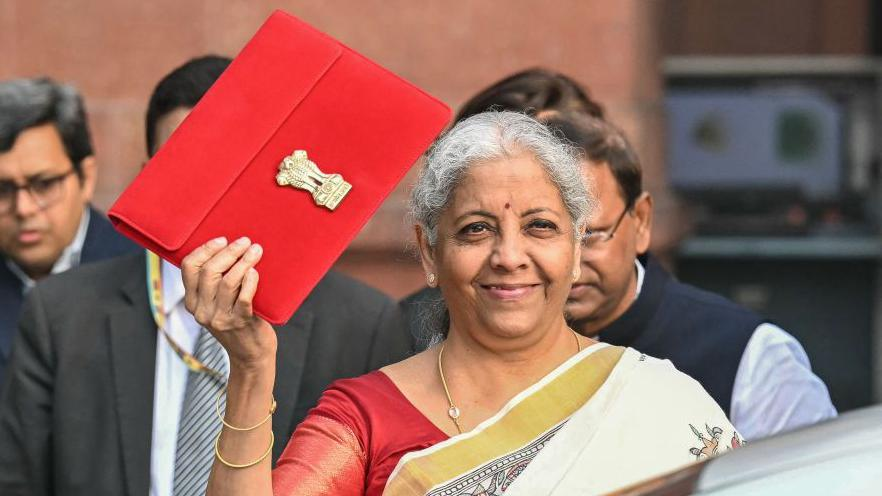
Boosting household consumption: By reducing prices, the government hopes to stimulate demand in an economy that has seen cautious spending amid rising costs.
Easing inflation: Lower GST rates are expected to help tame retail inflation, which has stayed stubbornly above 5% in recent months.
Supporting manufacturing: By cutting taxes on inputs and finished goods, the government hopes to provide relief to MSMEs and manufacturers struggling with high operating costs.
“India’s economy is resilient, but to sustain growth above 7%, consumption needs to be energized. This tax cut is a step in that direction,” the minister added.
The business community has largely welcomed the move, though concerns about revenue losses and compliance remain.
Retail Sector: Retailers, particularly in FMCG and consumer durables, expect a surge in demand. Large players like Reliance Retail and D-Mart hailed the decision as a “festive season booster.”
Manufacturers: MSMEs producing household goods and electronics see this as a relief from declining sales, but caution that supply chain costs must also come down to ensure real consumer benefit.
Automobile Industry: EV and auto-parts manufacturers praised tax cuts on green technology, calling it a “big push for clean mobility.”
Luxury Brands: High-end fashion and cosmetics companies expressed disappointment as their categories received only marginal relief.
For ordinary citizens, the announcement is both welcome and met with cautious optimism.
Middle-Class Families: Many celebrated the reduction, expecting lower grocery and utility bills. “With inflation eating into our savings, this move feels like a breather,” said a Delhi-based schoolteacher.
Lower-Income Households: Daily-wage workers and small families welcomed cheaper essentials, though some complained that fuel and housing costs remain untouched.
Urban Consumers: Young urban buyers see this as a chance to upgrade gadgets and electronics at lower costs.
Rural India: Farmers and villagers remain less impacted, as many agricultural items are already exempt from GST.
Economists remain divided on the long-term implications of the GST cuts.
Pro-Growth Argument: Supporters argue that boosting consumption is critical at a time when private investment is subdued. Lower taxes could increase purchasing power and create a multiplier effect on growth.
Revenue Concerns: Critics warn of a shortfall in government revenues. With GST already facing collection challenges, lower rates could further widen the fiscal deficit.
Inflation Control Debate: Some analysts believe the impact on inflation may be temporary, as global commodity prices and fuel costs continue to influence overall price stability.
Dr. Raghav Sharma, an economist at IIM Bangalore, noted: “This is a populist but calculated step. The challenge will be balancing revenue shortfalls with higher borrowing needs.”
As expected, the move sparked sharp political debates:
Ruling Party: Leaders hailed it as a historic decision to empower the common man, projecting it as part of India’s journey towards becoming a $5 trillion economy.
Opposition: Critics accused the government of playing “fiscal populism” ahead of elections, arguing that the tax cuts lack structural backing and may lead to higher fiscal deficits.
Global Investors: The reform was noted by international rating agencies as a short-term consumption driver, though they flagged potential revenue stress.
Stock Market: Consumer goods, retail, and auto stocks surged, reflecting optimism around rising demand. However, banking and government bond markets remained cautious.
The GST cut on 300+ items has the potential to reshape India’s consumption landscape in 2025. Its success, however, depends on balancing three critical factors:
Actual Price Transmission: Ensuring that businesses pass on benefits to consumers without hoarding margins.
Revenue Management: Compensating for potential revenue loss through better compliance, digital tracking, and widening the tax base.
Sustained Growth Impact: Ensuring that consumption-led growth translates into long-term investment and productivity gains.
If managed well, the reform could help India maintain its status as one of the fastest-growing major economies, but mismanagement could risk inflationary pressures and fiscal instability.

