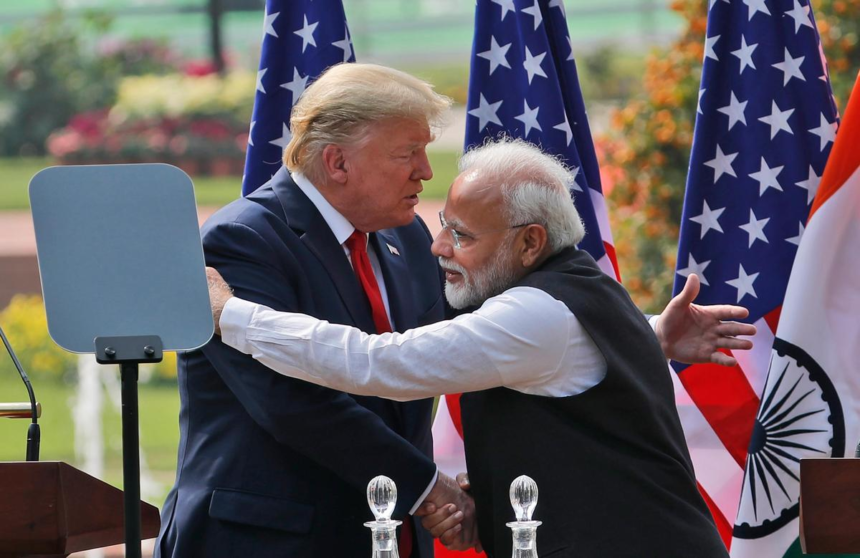
India-U.S. Trade Deal LIVE: India to Buy $500 Billion in U.S. Goods Over 5 Years; 25% Extra Duty Removed
India signs historic $500 billion trade deal with the U.S. over five years as Washington removes additional 25% duty on Indian goods, boosting exports and economic ties
India and the United States have unveiled a historic interim trade agreement that could reshape global commerce, strengthen bilateral ties, and significantly impact international supply chains. The landmark deal includes India’s commitment to purchase $500 billion worth of U.S. goods over the next five years, while the United States removes an additional 25% tariff on Indian exports, easing trade barriers and boosting cross-border business .
This major breakthrough signals a new chapter in India–U.S. economic relations, following months of negotiations over tariffs, energy imports, technology trade, and market access.
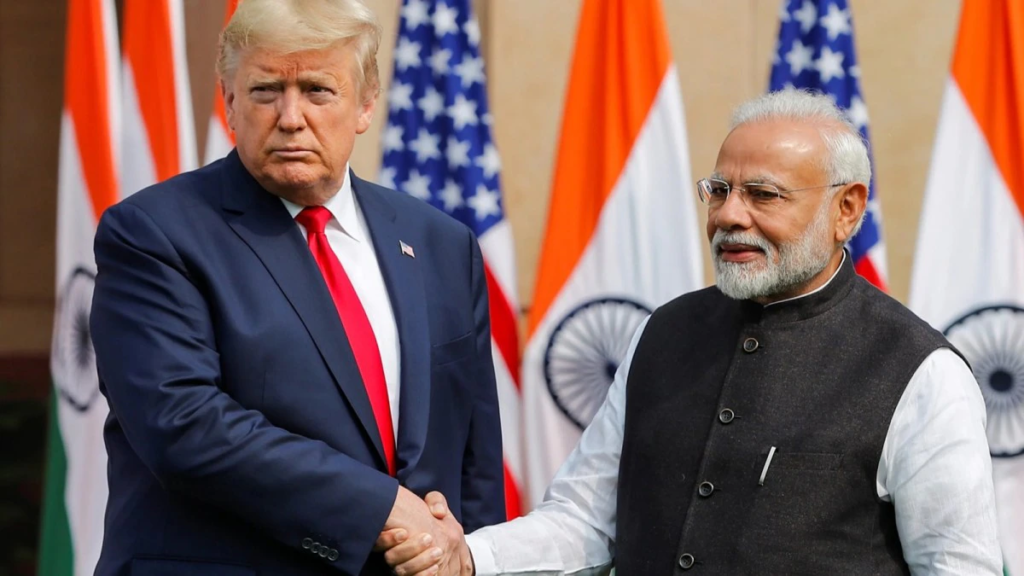
Under the interim framework, India has pledged to import approximately $500 billion worth of American goods over five years, spanning critical sectors such as:
- Energy products (oil, gas, LNG)
- Aircraft and aircraft parts
- Technology products (including GPUs and data center equipment)
- Precious metals
- Coking coal and industrial raw materials
This massive purchasing commitment aims to reduce trade imbalances, diversify India’s import sources, and strengthen strategic supply chains
One of the most significant aspects of the agreement is the removal of the extra 25% punitive tariff previously imposed on Indian goods. These duties were initially linked to concerns over India’s Russian oil purchases and broader trade disputes.
With the rollback:
- Indian exporters gain immediate relief
- Competitiveness of Indian goods in U.S. markets improves
- Sectors such as textiles, pharmaceuticals, gems, jewelry, and engineering goods stand to benefit significantly .
The U.S. will maintain a revised reciprocal tariff rate of approximately 18% on most Indian imports, replacing earlier tariff levels that had reached up to 50%
As part of the deal, India has agreed to reduce or remove tariffs on a wide range of U.S. industrial and agricultural products, including:
- Industrial machinery and manufactured goods
- Dried distillers’ grains (DDGs)
- Red sorghum (animal feed)
- Tree nuts and fresh fruits
- Soybean oil
- Wine and spirits
This move is expected to increase U.S. export access to India, lower costs for Indian consumers, and modernize domestic supply chains
The trade pact places strong emphasis on technology and digital trade, including:
- Increased imports of Graphics Processing Units (GPUs) for AI and data centers
- Cooperation in semiconductors, cloud computing, and critical technologies
- Joint efforts to reduce digital trade barriers and build robust tech partnerships
Both countries have committed to developing mutually beneficial digital trade rules under a future Bilateral Trade Agreement (BTA)
To make trade smoother and more efficient, India has agreed to:
- Remove restrictive import licensing rules for U.S. ICT (Information and Communication Technology) products
- Address long-standing non-tariff barriers affecting U.S. medical devices
- Ease restrictions on food, agricultural, and tech imports
Meanwhile, the U.S. has signaled it will:
- Reduce duties on generic pharmaceuticals
- Lower tariffs on gems, diamonds, and aircraft parts
- Offer tariff relief on select auto parts and aerospace components, subject to final agreement terms
The rollback of the 25% additional duty could provide a major boost to Indian exporters, especially in:
- Textiles and apparel
- Leather and footwear
- Gems and jewelry
- Pharmaceuticals
- Home décor and handicrafts
Lower tariffs improve price competitiveness, potentially increasing India’s market share in the U.S.
India plans to increase imports of U.S. energy products, including oil and LNG, reducing reliance on geopolitical risk-prone regions. This diversification helps stabilize energy supplies and supports India’s long-term energy security strategy
By easing access to advanced American technologies—especially AI chips, aircraft components, and industrial machinery—the deal could accelerate India’s manufacturing ecosystem, enhance productivity, and strengthen the Make in India initiative.
The $500 billion purchase commitment opens massive opportunities for American exporters, particularly in:
- Aerospace (including Boeing aircraft)
- Energy and fossil fuels
- Agriculture and food products
- Technology and high-end electronics
This strengthens U.S. industry revenues and creates high-value jobs across multiple sectors.
The agreement reflects a broader strategic alignment between Washington and New Delhi, especially in:
- Reducing reliance on Russian energy
- Expanding defense and technology cooperation
- Strengthening Indo-Pacific economic partnerships
The deal also enhances U.S. influence in Asian trade dynamics, positioning India as a long-term economic ally .
The India–U.S. interim trade deal is expected to reshape global trade flows by:
- Redirecting energy and industrial imports
- Strengthening India’s role in global supply chains
- Encouraging foreign direct investment (FDI) in Indian manufacturing
- Supporting resilient, diversified sourcing strategies amid global uncertainties
It also follows India’s recent trade engagements with the European Union, signaling a broader push toward trade liberalization and economic integration .
Indian Commerce Minister Piyush Goyal described the interim framework as a “gateway to a $30 trillion market for Indian exporters,” highlighting its transformative economic potential.
Meanwhile, leaders from both nations emphasized that the agreement marks a “historic milestone” in bilateral relations, paving the way for a comprehensive Bilateral Trade Agreement (BTA) in the future
While the interim trade framework is a major breakthrough, several issues remain under negotiation:
- Finalization of product-specific tariff reductions
- Long-term rules on digital trade and data governance
- Protection of sensitive agricultural sectors in India
- Implementation timelines and regulatory alignment
Both nations have agreed to continue negotiations toward a full-scale India–U.S. Bilateral Trade Agreement, aiming to create a more comprehensive and balanced trade ecosystem.
Read Also : Changing Mumbai: New Sion Railway Overbridge to Open by July 2026 — Major Traffic Relief