India’s 1st Musical Road Goes LIVE in Mumbai: Hear ‘Jai Ho’ in 12 Seconds as Vehicles Drive Over It
Mumbai unveils India’s 1st Musical Road that plays ‘Jai Ho’ as vehicles pass, marking a revolutionary traffic innovation
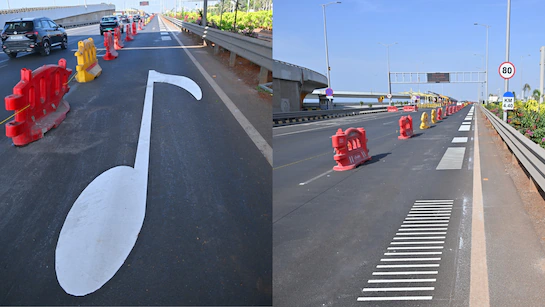
Mumbai has added a groundbreaking innovation to its urban infrastructure with the launch of India’s first-ever musical road—an engineering marvel that plays the iconic song ‘Jai Ho’ as vehicles drive over specially designed rumble strips. The project blends technology, culture, and road safety in a way never seen before in the country, transforming an ordinary commute into a rhythmic experience.
The musical stretch, inaugurated in Mumbai, is already drawing attention from motorists, engineers, urban planners, and social media users alike. Here’s an in-depth look at how this revolutionary road works, why ‘Jai Ho’ was chosen, and what it means for the future of smart transport infrastructure in India.
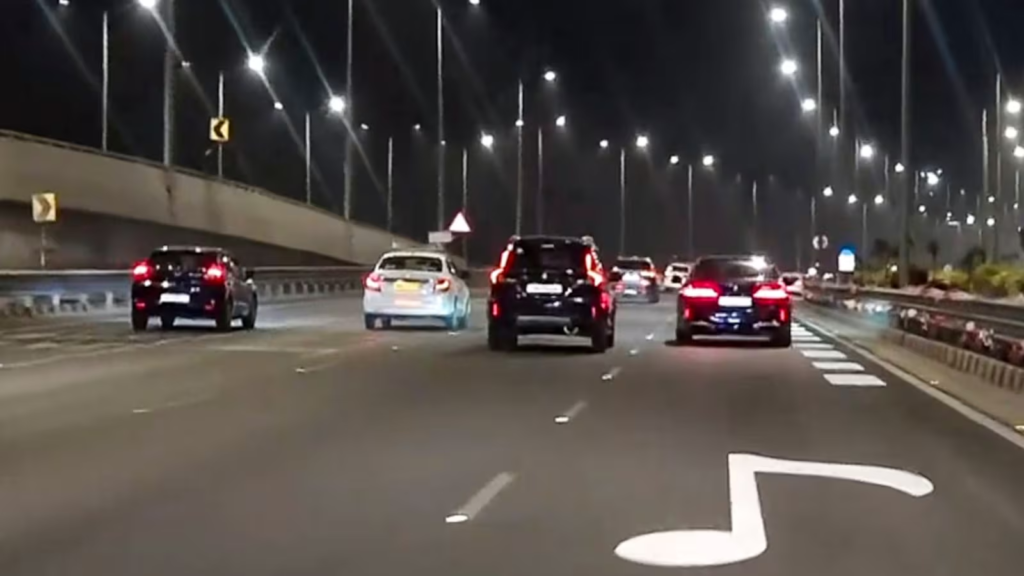
A musical road, also known globally as a “melody road,” is engineered with precisely spaced grooves or rumble strips. When vehicles pass over these grooves at a specific speed, vibrations created by tire contact produce musical notes. The spacing and depth of the grooves determine the pitch and rhythm.
Countries like Japan, South Korea, and the United States have experimented with such roads for years. Now, India has joined the list—making a strong statement about combining innovation with public engagement.
The chosen tune, ‘Jai Ho’, is one of India’s most globally recognized songs. Composed by the legendary A. R. Rahman for the Oscar-winning film Slumdog Millionaire, the track became an international anthem after winning the Academy Award.
The song’s uplifting tempo and patriotic resonance make it an ideal choice for a public infrastructure project meant to inspire positivity and national pride. Officials involved in the project indicated that the melody was selected for its instantly recognizable rhythm and cultural significance.
The musical road relies on a scientifically calculated groove pattern. Engineers mapped the musical notes of ‘Jai Ho’ and converted them into spatial intervals on the road surface. When vehicles maintain the recommended speed—usually between 40–50 km/h—the tires generate vibrations that replicate the melody clearly.
If drivers exceed or fall below the optimal speed range, the tune becomes distorted. This subtle mechanism doubles as a speed-regulation tool, encouraging motorists to maintain safe driving speeds.
Beyond entertainment, the musical road serves a functional purpose. Rumble strips are commonly used worldwide to alert drivers when they drift from lanes or approach hazardous zones. By turning these strips into melodic grooves, authorities aim to increase driver attentiveness without relying solely on warning signs.
Urban planners believe this initiative could reduce monotony during long drives and promote safer speed adherence. By rewarding compliance with a recognizable melody, the project introduces behavioral psychology into traffic management.
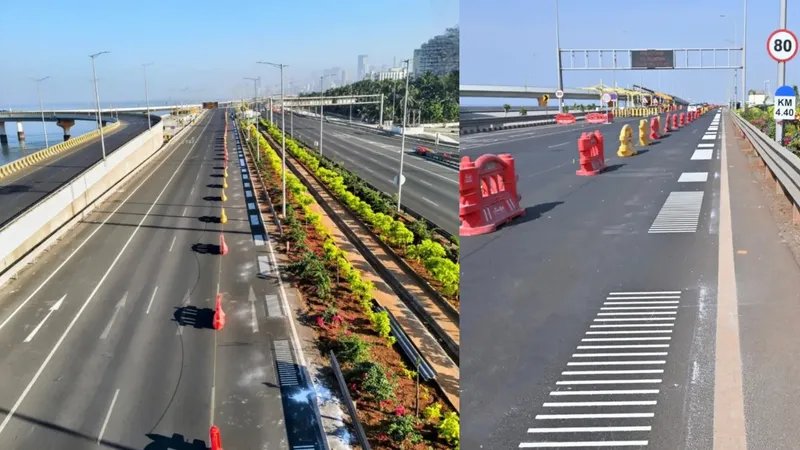
The musical road has been installed on a selected stretch in Mumbai where traffic flow allows consistent speed maintenance. Authorities ensured that the surrounding environment would not cause unnecessary noise disturbance to residential areas.
Strategic placement was critical. The stretch was chosen based on traffic patterns, road width, and safety considerations to ensure maximum impact without compromising commuter convenience.
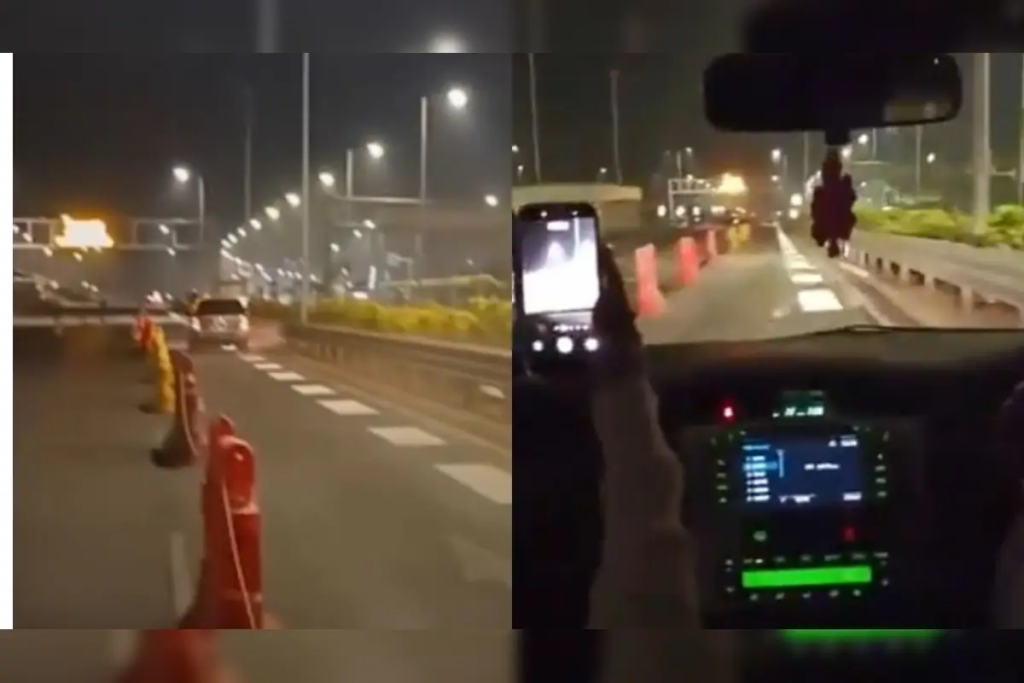
Within hours of its unveiling, videos of vehicles triggering the ‘Jai Ho’ melody began circulating widely on social media. Motorists recorded their experiences, while influencers and bloggers hailed the project as a “drive-through concert.”
Public reactions have largely been positive, with many praising the creativity and technological advancement. Some, however, raised questions about long-term maintenance and potential noise pollution.
One of the key challenges for musical roads globally has been wear and tear. Continuous vehicle movement can gradually erode the grooves, impacting sound clarity. Engineers behind Mumbai’s project have reportedly used durable asphalt materials to ensure longevity.
Periodic inspections and resurfacing may be required to preserve acoustic precision. Authorities are expected to monitor performance closely before considering expansion to other cities.
The musical road has the potential to become a unique attraction. While primarily built for functional and safety purposes, it could indirectly boost tourism and civic pride. Visitors may deliberately drive over the stretch to experience the melody firsthand.
Infrastructure innovations often redefine a city’s image. Mumbai, already known as India’s financial capital, now adds a creative technological milestone to its identity.
India has been steadily adopting smart city initiatives, integrating technology into transportation systems. From intelligent traffic signals to electric buses, innovation is reshaping urban mobility.
The musical road represents a symbolic yet impactful addition to this movement. It demonstrates that infrastructure need not be purely utilitarian—it can engage citizens emotionally while serving practical goals.
Globally, musical roads have been installed in countries such as Japan and Denmark, often playing folk songs or regional tunes. India’s entry into this niche category reflects its growing emphasis on blending culture with engineering.
What sets Mumbai’s version apart is the choice of a globally recognized Bollywood anthem. By selecting ‘Jai Ho,’ the project bridges local pride with international recognition.
While the innovation is exciting, several questions remain:
- Will high traffic density affect sound quality?
- How frequently will maintenance be required?
- Can the concept be adapted for highways with higher speed limits?
Experts suggest that careful evaluation over the coming months will determine whether similar projects can be replicated nationwide.
If successful, authorities may consider introducing additional musical stretches in other major cities. Imagine driving over a road in Delhi that plays a classical raga or a stretch in Chennai tuned to a Carnatic melody.
Such initiatives could transform routine travel into culturally immersive experiences while subtly promoting safe driving practices.