Iran-Israel-US War: 3 Powerful Conditions Iran Sets to End Conflict With US and Israel
Iran reveals 3 key conditions to end the war with the United States and Israel as Middle East tensions escalate
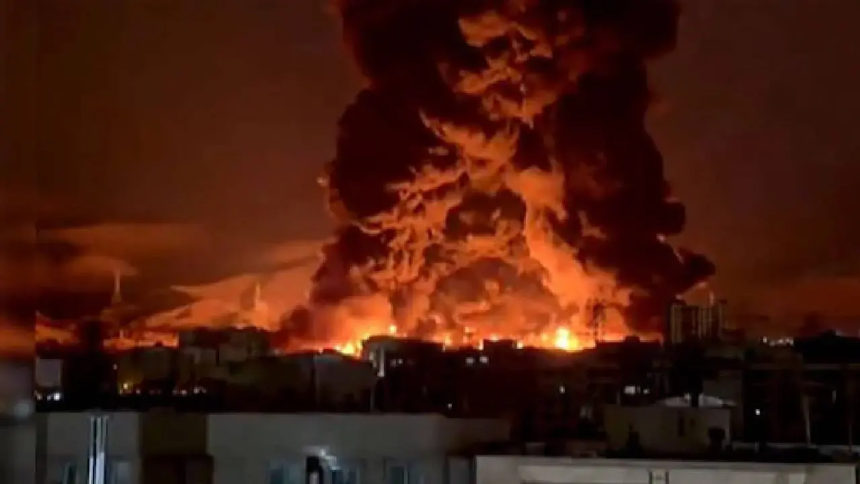
Tensions in the Middle East have reached a critical point as the conflict involving Iran, the United States, and Israel continues to escalate. The situation has raised fears of a broader regional war that could have major consequences for global security, energy markets, and international diplomacy.
Amid the growing crisis, Iranian officials have reportedly outlined three key conditions that must be met for Tehran to consider ending the conflict. These conditions, which include recognition of Iran’s rights, compensation for damages caused by military strikes, and international guarantees against future attacks, have become central to discussions about a possible de-escalation.
As the conflict continues to evolve, global leaders and diplomatic institutions are closely watching whether these demands could pave the way for negotiations or whether tensions will continue to rise.
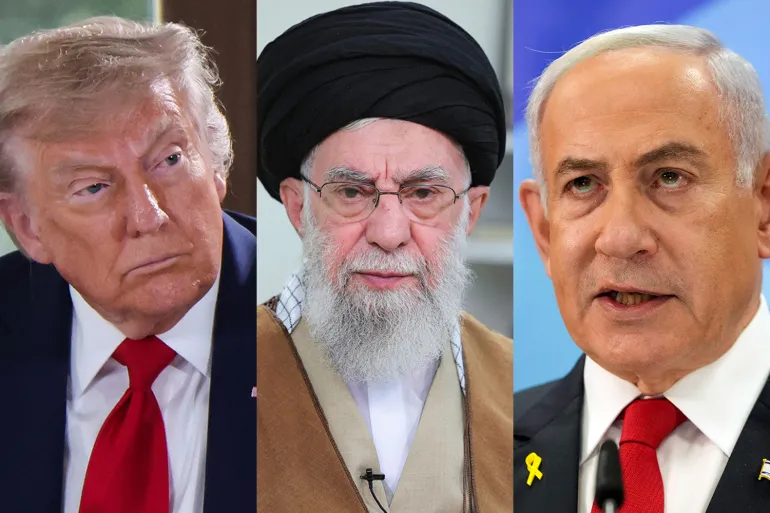
The current conflict is part of a broader pattern of rising tensions between Iran and its regional rivals. For years, the relationship between Iran, Israel, and the United States has been marked by disputes over nuclear policy, regional influence, and military activities across the Middle East.
Recent military strikes and retaliatory actions have intensified the confrontation. Several incidents involving missile launches, airstrikes, and cyber operations have raised concerns that the conflict could spread beyond its current scope.
The situation has also triggered alarm among global powers, with many countries calling for restraint and urging diplomatic solutions to prevent further escalation.
Iranian leaders have reportedly communicated that the path toward ending the conflict depends on three major conditions being fulfilled. These demands reflect Tehran’s broader strategic priorities and its desire to secure long-term guarantees for national security.
The first condition involves the recognition of Iran’s national sovereignty and strategic rights. Iranian officials argue that their country must be treated as a legitimate regional power with the right to defend its interests.
Tehran has repeatedly insisted that any agreement must acknowledge its role in regional security and respect its independence in determining its political and military policies.
From Iran’s perspective, recognition of its sovereignty is essential to establishing a balanced relationship with global powers and regional rivals.
The second condition centers on compensation for damages caused by recent military attacks. Iranian officials claim that airstrikes and other operations carried out during the conflict have resulted in significant destruction to infrastructure and economic assets.
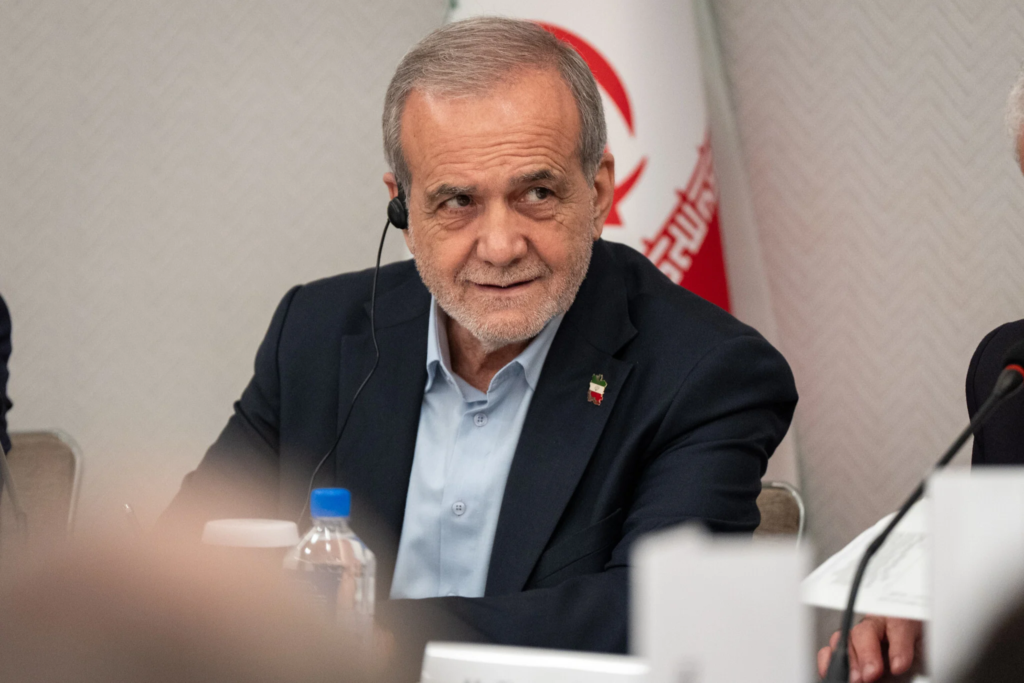
Tehran believes that financial compensation should be part of any settlement agreement. This demand reflects the country’s argument that those responsible for the attacks must bear the cost of rebuilding affected areas.
However, this condition could become one of the most challenging issues in potential negotiations, as it requires the United States and Israel to acknowledge responsibility for damages.
The third condition focuses on long-term security guarantees. Iran has stated that it will only consider ending the war if it receives firm international assurances that similar attacks will not occur in the future.
These guarantees could potentially involve international monitoring mechanisms, diplomatic agreements, or broader security frameworks involving major global powers.
For Iran, this condition is critical because it aims to prevent future conflicts and ensure that the country’s sovereignty is respected over the long term.
Iran’s announcement of these three conditions has generated significant reactions from governments and international observers.
Some analysts believe the demands could represent a starting point for diplomatic negotiations. Others argue that the conditions may be too difficult to accept without extensive discussions and compromises from all sides.
The United States and Israel have not publicly accepted these conditions, but officials from both countries have continued to emphasize their commitment to protecting national security and regional stability.
Meanwhile, several international organizations and governments have urged all parties to pursue dialogue and avoid further escalation.
The conflict has also raised concerns about its impact on global energy supplies. The Middle East plays a crucial role in the global oil and gas market, and any large-scale conflict in the region could disrupt energy production and transportation.
Oil prices have shown signs of volatility as investors monitor developments closely. Analysts warn that prolonged tensions could lead to supply disruptions, affecting energy costs worldwide.
Countries that rely heavily on imported oil are particularly sensitive to developments in the region, making diplomatic solutions even more important.
In response to the escalating crisis, several countries have stepped forward to encourage dialogue between the conflicting parties.
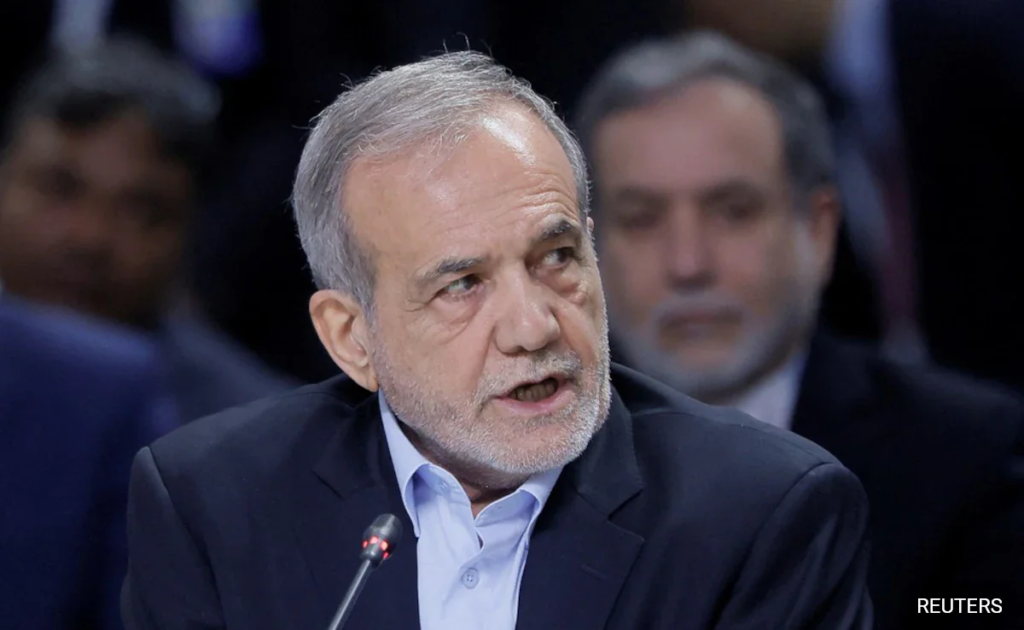
Regional and international leaders have emphasized the need for negotiations that address security concerns while preventing further violence.
Diplomatic channels remain open, and some experts believe that behind-the-scenes discussions may already be taking place. However, reaching an agreement will likely require significant compromises from all sides.
Despite the possibility of negotiations, the situation remains highly volatile. Military analysts warn that even a single miscalculation could trigger a larger confrontation involving multiple countries in the region.
The Middle East has long been a geopolitical hotspot, and conflicts there often have far-reaching consequences. Any expansion of the current war could affect international trade routes, energy supplies, and global political stability.
As a result, world leaders are closely monitoring developments and urging caution from all parties involved.
The future of the conflict between Iran, the United States, and Israel remains uncertain. Iran’s three conditions provide a framework for potential negotiations, but whether these demands will be accepted or modified through diplomatic talks is still unclear.
What is certain is that the stakes are extremely high. The outcome of this conflict could shape the political landscape of the Middle East for years to come.
For now, the international community continues to call for restraint and dialogue, hoping that diplomacy will ultimately prevail over military confrontation.
Read Also : LPG Crisis Hits Mumbai: 1 Gas Shortage Shuts Down Iconic ‘Ladu Samrat’ Vada Pav Hub