Iran-Israel War LIVE: 5 Major Gulf Cities Hit as Iran Blames U.S. Base Exit for Urban Strikes
Iran-Israel war LIVE updates: Iran claims U.S. military base relocation triggered urban strikes across Gulf cities, escalating tensions and raising fears of a wider Middle East conflict
The ongoing Iran-Israel conflict has entered a volatile new phase, with Iran alleging that the recent relocation of U.S. forces from key military bases has directly contributed to a surge in urban-area strikes across the Gulf region. As geopolitical tensions intensify, the situation is rapidly evolving into one of the most dangerous flashpoints in the Middle East in recent years.
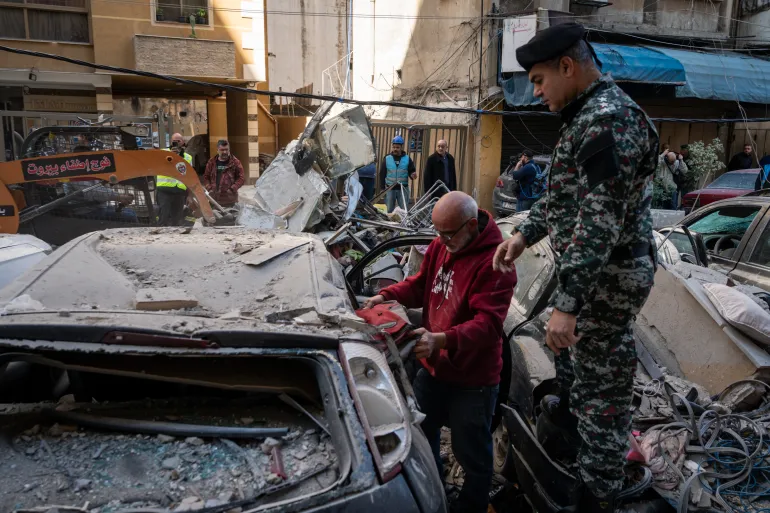
The Iran-Israel war, which has already seen weeks of escalating military activity, is now witnessing a significant shift in both strategy and impact. Iranian officials have publicly stated that the repositioning of U.S. troops and assets from established military bases has created a strategic vacuum. According to Tehran, this vacuum has resulted in increased strikes spilling into urban and civilian-populated areas across Gulf nations.
Iran claims that these relocations have disrupted long-standing deterrence structures, allowing hostile actions to move closer to densely populated zones. While the United States has not officially confirmed the extent or purpose of its troop movements, defense analysts suggest that repositioning may have been part of a broader strategy to reduce vulnerability and avoid direct confrontation.
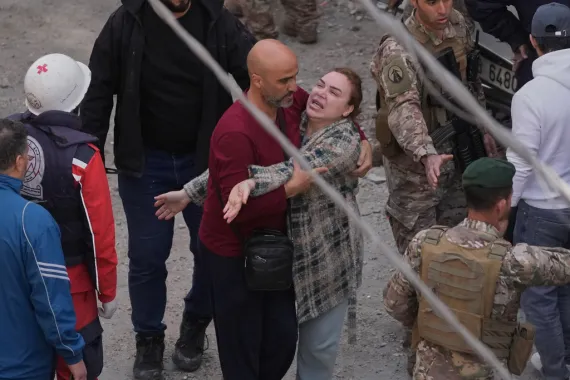
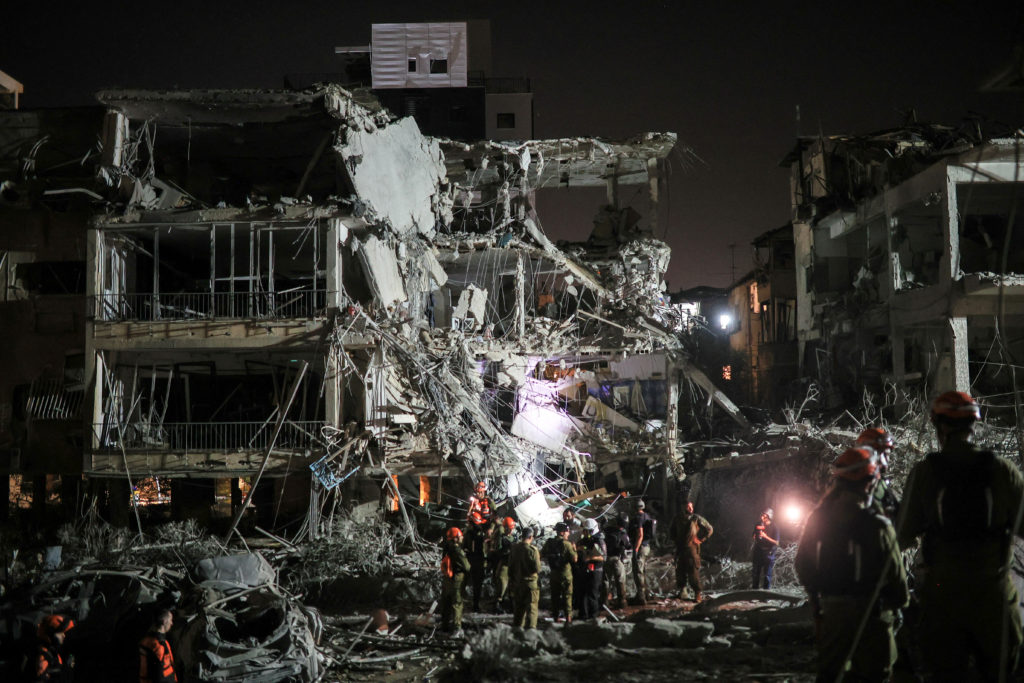
One of the most alarming aspects of the current escalation is the reported targeting of urban areas. Cities across the Gulf have reportedly experienced heightened alert levels, with air defense systems activated and civilians urged to remain cautious.
The shift from traditional military targets to urban zones marks a dangerous escalation. Urban warfare not only increases the risk of civilian casualties but also amplifies psychological fear among populations. Residents in several Gulf cities have reported hearing explosions and witnessing increased aerial activity, although official confirmations remain limited due to the sensitive nature of the situation.
Security experts warn that once conflicts move into urban territories, they become significantly harder to control. The margin for error narrows, and the likelihood of unintended casualties rises dramatically.
Iran’s leadership has taken a firm stance, emphasizing that it does not seek a broader regional war but will respond decisively to perceived threats. By linking U.S. military movements to the surge in urban strikes, Tehran appears to be sending a clear message to Washington and its allies.
This narrative serves multiple purposes. Domestically, it helps justify Iran’s military posture and actions. Internationally, it attempts to shift responsibility for escalation onto the United States. Iran’s messaging also underscores its long-standing opposition to U.S. military presence in the region, framing recent developments as evidence of instability caused by foreign intervention.
At the same time, Iran has reiterated calls for regional stability, though these statements are often accompanied by warnings of strong retaliation if its interests are threatened.
The United States has maintained a cautious approach in its public statements. While acknowledging adjustments in troop deployments, officials have emphasized that these moves are part of routine strategic planning aimed at protecting personnel and maintaining operational readiness.
Military analysts suggest that relocating forces could be a defensive measure designed to reduce exposure to potential missile or drone attacks. However, such movements can also be interpreted as signals of shifting priorities or changing engagement strategies.
Washington faces a complex balancing act. On one hand, it seeks to support its allies and maintain stability in the region. On the other, it aims to avoid being drawn into a full-scale conflict that could have far-reaching consequences.
Israel remains a central player in the ongoing conflict. The country has consistently maintained that it will take all necessary measures to protect its security and counter threats from Iran and its regional proxies.
Israeli defense forces have reportedly intensified surveillance and preparedness measures, anticipating potential retaliatory actions. While Israel has not directly commented on Iran’s claims regarding U.S. troop movements, it continues to coordinate closely with its allies.
The evolving dynamics between Israel, Iran, and the United States highlight the complexity of the conflict. Each actor is pursuing its own strategic objectives, often leading to overlapping and sometimes conflicting actions.
Countries in the Gulf region find themselves in a precarious position. While many are key allies of the United States, they are also geographically and economically vulnerable to the fallout from escalating tensions.
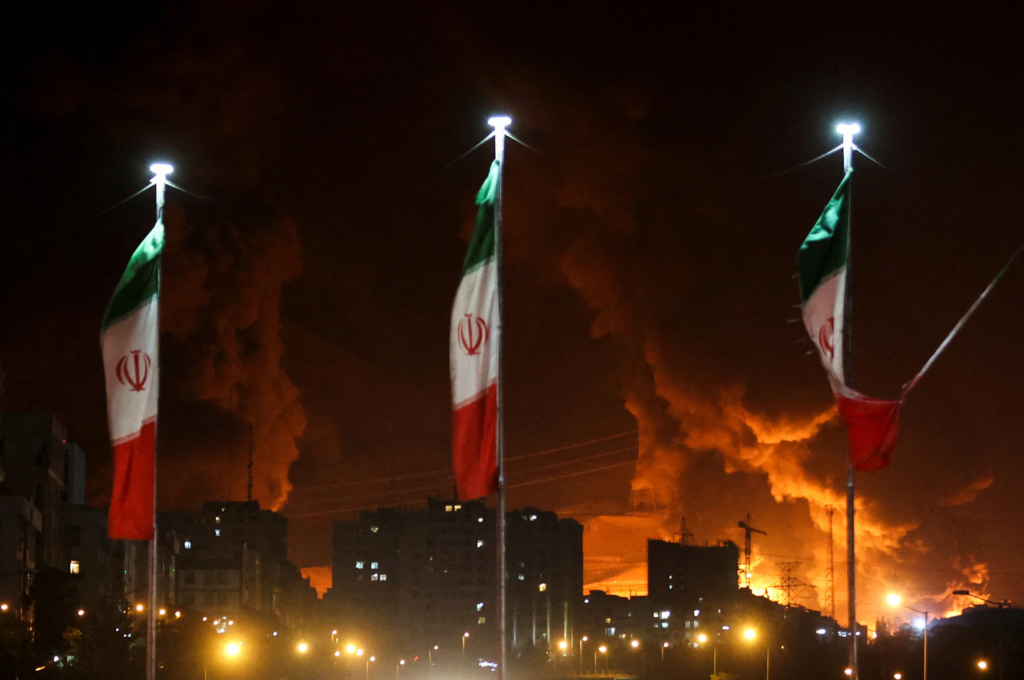
The reported urban strikes have raised concerns about the safety of critical infrastructure, including oil facilities, transportation networks, and residential areas. Governments across the region have heightened security measures, activated emergency protocols, and issued advisories to citizens.
Economic implications are also significant. The Gulf region plays a crucial role in global energy markets, and any disruption can have ripple effects worldwide. Rising tensions have already led to fluctuations in oil prices, reflecting market uncertainty.
As the conflict intensifies, civilians remain the most vulnerable. The shift toward urban strikes increases the risk of casualties and displacement. Humanitarian organizations are closely monitoring the situation, warning of potential crises if the violence continues to escalate.
Access to essential services such as healthcare, water, and electricity could be disrupted in affected areas. The psychological toll on residents, particularly in cities experiencing repeated alerts and threats, is also a growing concern.
Efforts to ensure civilian safety are complicated by the fast-moving nature of the conflict and the challenges of coordinating responses across multiple countries.
The international community has expressed growing concern over the escalating situation. Several countries and organizations have called for restraint and urged all parties to engage in dialogue to prevent further deterioration.
Diplomatic channels are being actively explored, though progress remains uncertain. The complexity of the conflict, involving multiple actors with differing interests, makes negotiations particularly challenging.
Global powers are also closely watching the developments, aware that a broader regional conflict could have significant geopolitical and economic consequences.
Perhaps the most pressing concern is the potential for the conflict to expand beyond its current scope. The involvement of additional regional players or a direct confrontation between major powers could dramatically alter the situation.
Military experts caution that miscalculations or unintended incidents could quickly escalate tensions. The presence of advanced weaponry, including missiles and drones, further increases the stakes.
Preventing a wider war will require careful coordination, clear communication, and a willingness from all parties to prioritize de-escalation over confrontation.
The Iran-Israel war remains highly unpredictable, with developments unfolding rapidly. Iran’s claims regarding U.S. military relocation and its impact on urban strikes add a new layer of complexity to an already volatile situation.
As the world watches closely, the need for diplomatic solutions becomes increasingly urgent. The coming days and weeks will be critical in determining whether the conflict can be contained or whether it will escalate into a broader regional crisis.
For now, the focus remains on monitoring the situation, ensuring civilian safety, and exploring avenues for dialogue. The stakes are high, and the consequences of inaction could be far-reaching.
Read Also : 10 Patients Dead in Shocking Fire at SCB Medical College Hospital, Cuttack – Major Tragedy Unfolds