Iran President Apologises to Neighbours: 7 Key Conditions Behind Tehran’s Surprise ‘Sorry’ Statement
Amid escalating tensions, Masoud Pezeshkian has issued an apology to neighbouring countries affected by strikes from Iran, but warned attacks could continue if their territories are used against Tehran
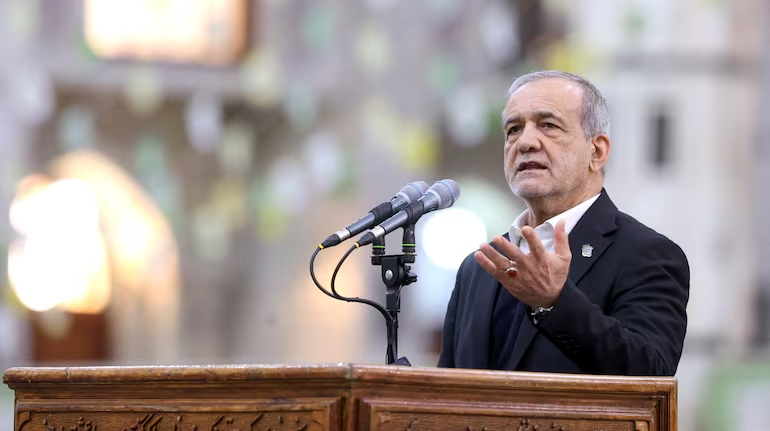
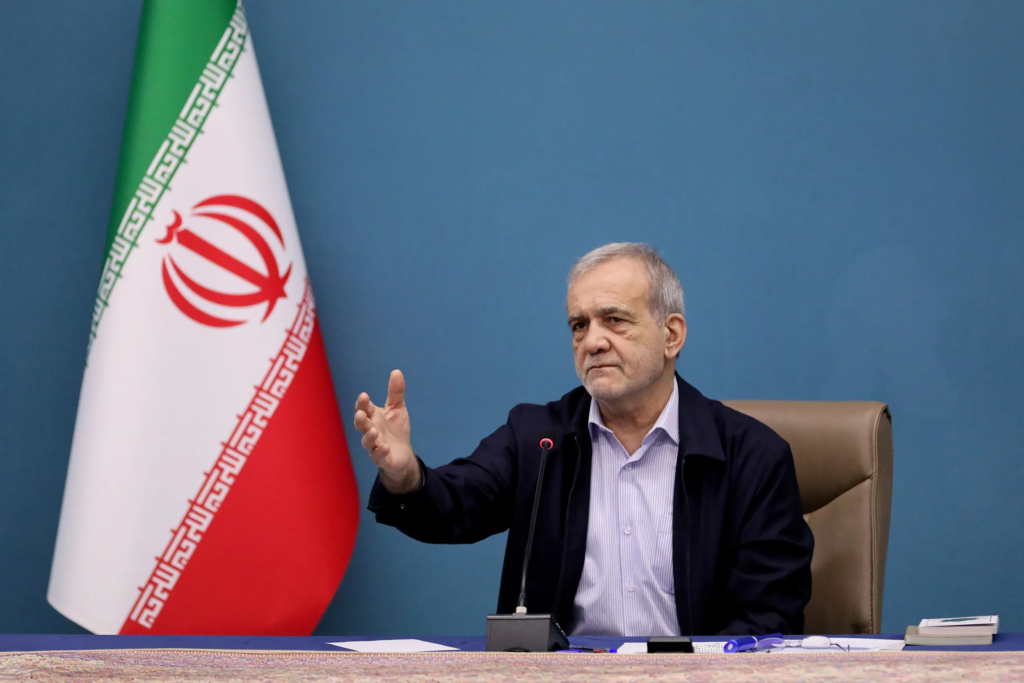
In a surprising diplomatic development amid escalating tensions in the Middle East, Masoud Pezeshkian has issued an apology to neighboring countries affected by recent Iranian military strikes. However, the apology came with a clear warning: Iran’s actions could continue if those countries allow their territory to be used for attacks against Iran.
The statement reflects Tehran’s attempt to balance diplomacy with deterrence as regional tensions remain high. While Iran has expressed regret over unintended consequences affecting neighboring states, the government insists it will take necessary steps to defend its national security.
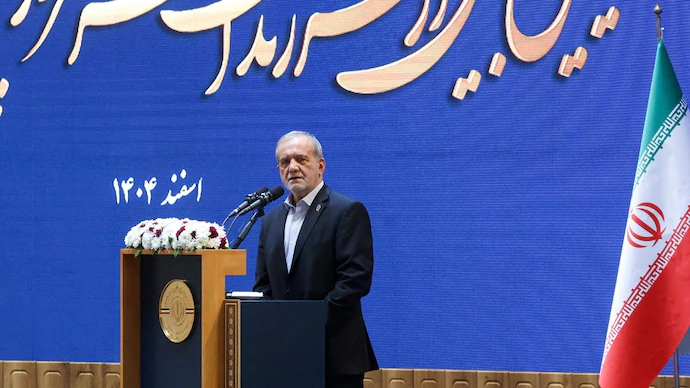
The remarks from Pezeshkian come at a critical moment, as the conflict continues to reshape alliances, raise concerns over regional stability, and spark global attention.
Below are seven key conditions and developments behind Iran’s apology and what they mean for the future of the crisis.
The statement by Masoud Pezeshkian marks a rare diplomatic move by Tehran during a period of military tension.
In his remarks, the Iranian president acknowledged that some of the recent strikes and military actions have had consequences for neighboring countries in the region. He expressed regret for any disruption or danger caused to them.
However, Pezeshkian emphasized that Iran has “no hostility toward neighboring nations” and does not seek to escalate tensions with countries in the region.
The apology was widely interpreted as an effort to reassure nearby states that Iran’s military actions are targeted and defensive rather than aggressive toward them.
Despite the apology, Iran made it clear that its position comes with a firm condition.
According to Pezeshkian, Tehran will continue to respond militarily if attacks against Iran originate from the territory of neighboring countries.
This warning suggests that Iran believes certain regional locations may be used as operational bases by adversaries.
The message is straightforward: if neighboring states prevent hostile actions against Iran from their territory, Tehran will have no reason to conduct strikes in those areas.
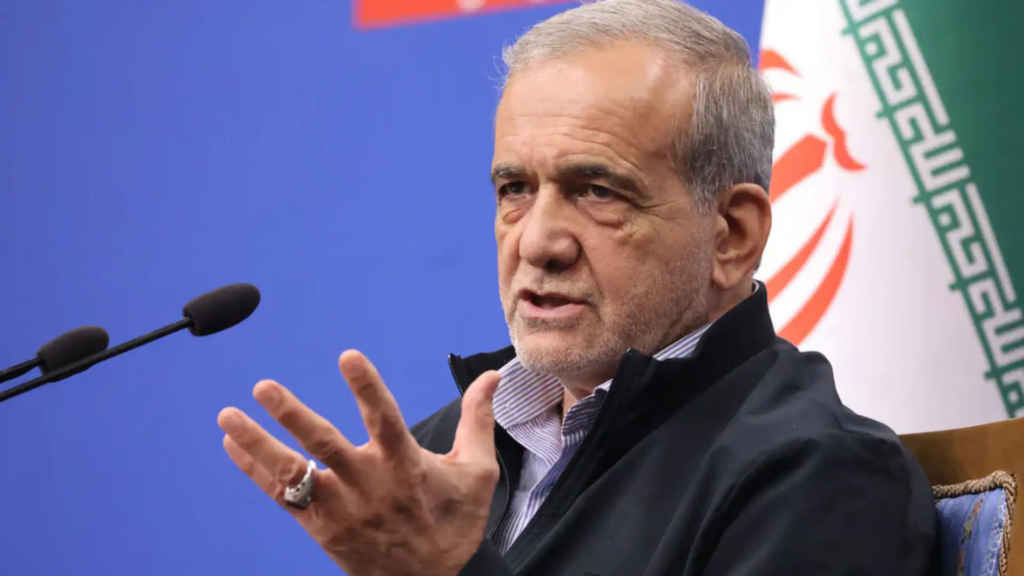
This condition is central to Iran’s current security strategy.
The latest developments are closely tied to ongoing tensions between Iran and Israel.
For years, the two countries have been locked in a strategic rivalry that includes covert operations, cyber warfare, and proxy conflicts across the region.
Recent military actions have pushed that rivalry closer to direct confrontation.
Iran has accused Israel of carrying out attacks on its interests and has vowed to respond if such operations continue.
As a result, the broader conflict environment continues to influence Iran’s relationships with neighboring states.
Neighboring countries across the Middle East are closely watching the situation.
Many governments in the region are concerned that escalating tensions between major powers could draw them into a wider conflict.
Several states have emphasized the importance of maintaining neutrality and preventing their territory from becoming a battleground for rival forces.
Iran’s apology appears aimed at easing these concerns while still asserting its security red lines.
Diplomats say the message from Tehran is intended to reassure neighbors that the country seeks stability rather than confrontation with them.
The crisis has raised fears that the Middle East could slide into a broader regional conflict.
Military analysts note that multiple countries and armed groups operate in close proximity throughout the region, increasing the risk of escalation.
Statements like the one issued by Masoud Pezeshkian may represent an attempt to limit the scope of the conflict by preventing misunderstandings with neighboring states.
By clarifying its intentions, Iran may be seeking to avoid opening additional fronts in an already volatile situation.
The apology also carries a broader diplomatic message beyond the Middle East.
Countries around the world are monitoring the crisis involving Iran with growing concern.
Global powers have repeatedly urged restraint and called for dialogue to prevent further escalation.
By expressing regret for unintended consequences affecting neighbors, Iran may be trying to demonstrate that it remains open to diplomatic engagement even while defending its interests.
Such messaging could influence how the international community responds to the ongoing crisis.
Political analysts say statements made during conflicts often serve multiple purposes.
In this case, Iran’s apology appears designed to achieve several objectives:
- Reduce tensions with neighboring countries
- Clarify Iran’s security position
- Signal willingness for diplomatic solutions
- Maintain deterrence against adversaries
Strategic communication can play a key role in shaping how conflicts unfold.
The remarks from Pezeshkian reflect a careful balance between diplomacy and military resolve.
Beyond political statements, the ongoing tensions are having real consequences for the region.
Countries across the Middle East have increased security measures, strengthened border defenses, and heightened military readiness.
Air defense systems have been activated in several locations, and governments are preparing for potential escalation.
Economic impacts are also becoming visible, particularly in global energy markets.
The Middle East remains a critical hub for oil production and shipping routes, meaning instability can quickly influence global prices and supply chains.
Governments around the world are closely following developments involving Iran and its regional relationships.
Several countries have urged restraint and emphasized the importance of diplomatic dialogue.
International organizations are also encouraging efforts to de-escalate tensions and prevent the crisis from expanding.
The situation highlights the complex web of alliances and rivalries that shape the geopolitical landscape of the Middle East.
The coming weeks will be crucial in determining whether the crisis stabilizes or escalates further.
Key factors that could influence the situation include:
- Whether military strikes continue
- Whether diplomatic negotiations gain momentum
- Whether additional countries become involved
Statements like the one made by Masoud Pezeshkian may help open channels for dialogue if regional leaders respond positively.
However, the volatile nature of the current situation means that developments could change rapidly.
Read Also : Iran War After 1 Week: 10 Major Ways the Conflict Is Shaking the Middle East and the World