Iran War Erupts: Hezbollah Fires at Israel & U.S. Drops IRGC HQ Strike Video — 10 Key Points You Must Know
War tensions surge as Hezbollah fires at Israel and the United States releases dramatic IRGC HQ strike footage, marking a dangerous new phase in the Iran conflict
The intensifying conflict involving Iran, its regional allies, and global powers has entered a dangerous new phase. Fresh attacks by Hezbollah on Israel, combined with the United States releasing dramatic footage of a strike on an IRGC headquarters, have pushed the region closer to full-scale war. The latest developments reflect a rapidly widening confrontation that could reshape the geopolitical balance across the Middle East.
Below are the 10 key points defining the latest escalation.
In a major escalation, Hezbollah launched coordinated rocket and missile attacks targeting northern Israeli regions. The strikes triggered air raid sirens across multiple towns, forcing civilians into shelters and raising fears of a multi-front war.
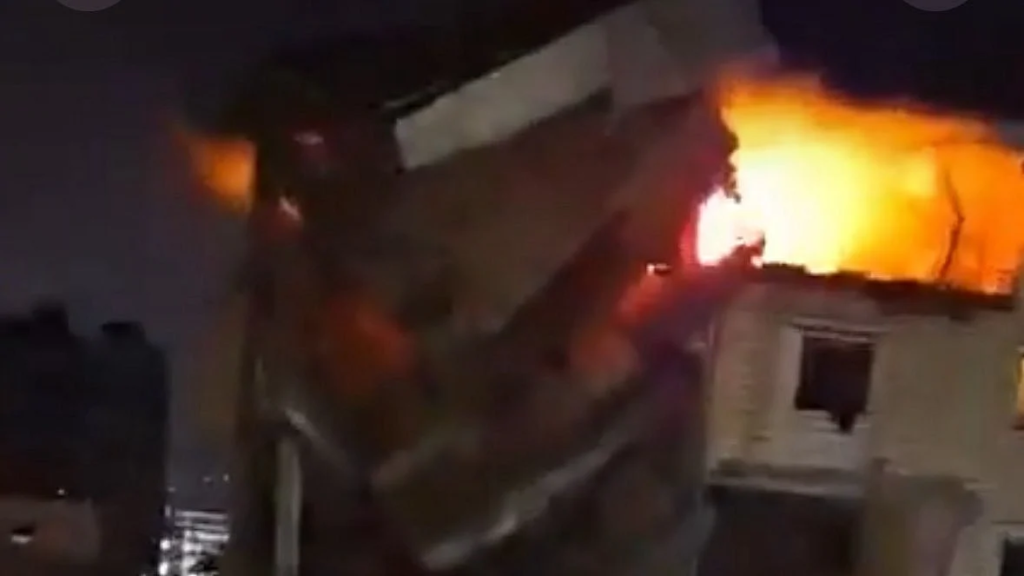
The group described the attacks as retaliation for ongoing hostilities involving Iranian interests. Analysts say the move significantly raises the stakes, as Hezbollah possesses one of the largest non-state missile arsenals in the world.
Opening a northern front stretches Israeli defenses and complicates military planning, making containment of the conflict far more difficult.
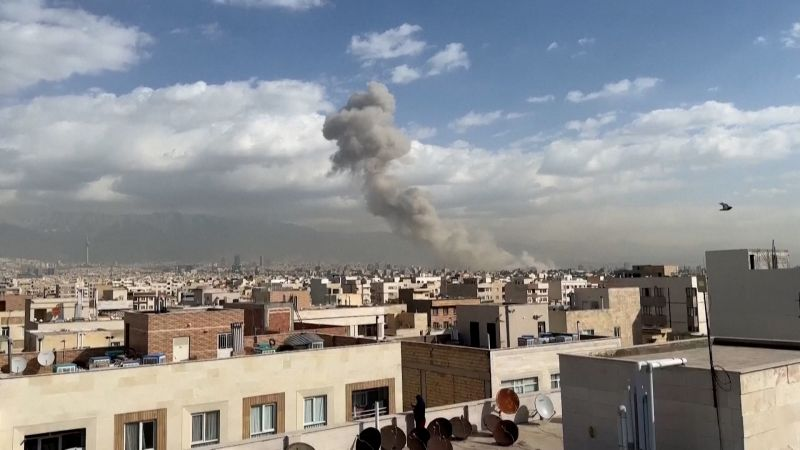
The United States intensified the information war by releasing video footage showing precision strikes on what it claimed was a strategic IRGC command facility. The footage, shared across official channels, appeared to show guided munitions hitting fortified structures.
Officials described the release as a warning message aimed at deterring further escalation. The visuals were intended to demonstrate both capability and resolve, signaling that Washington is willing to directly target Iranian military assets if necessary.
The footage quickly went viral, amplifying global attention on the conflict.
Tehran responded with defiant rhetoric, warning that any attack on its military infrastructure would not go unanswered. Officials described the strikes as acts of aggression and vowed a strong response.
Iranian state media framed the situation as a broader struggle against foreign intervention. The messaging emphasized national resilience and hinted at possible retaliatory steps through both direct and proxy means.
Observers note that Iran’s response strategy could involve calibrated escalation rather than immediate full-scale retaliation.
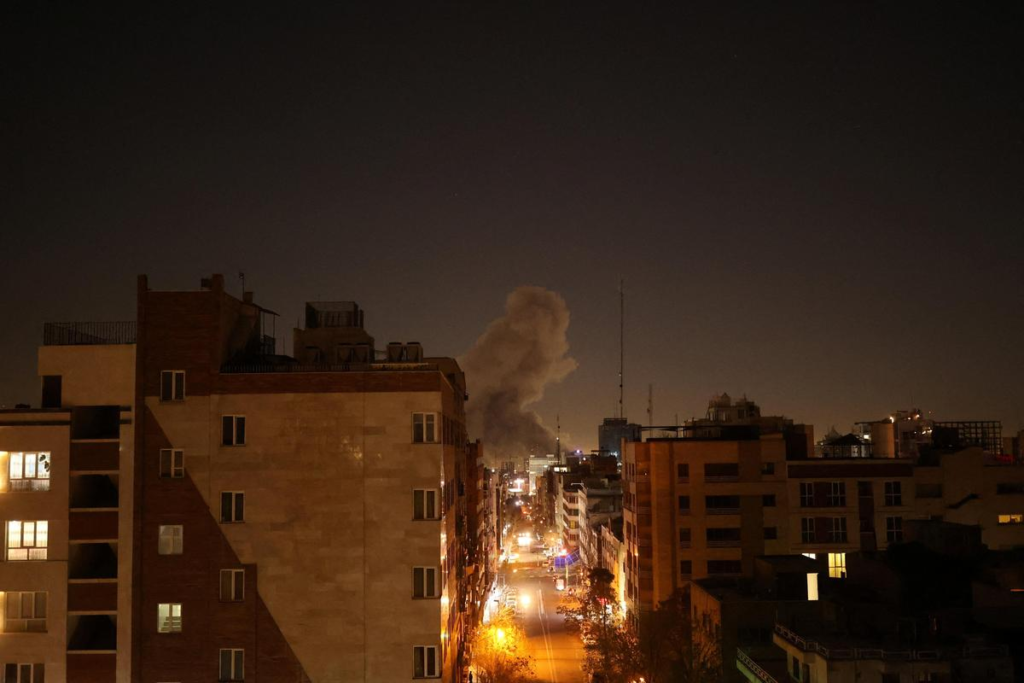
With Hezbollah entering the battlefield, the possibility of a multi-front conflict has dramatically increased. Israel now faces potential threats from multiple directions, complicating defense coordination and resource allocation.
Security experts warn that simultaneous confrontations across different borders could overwhelm even advanced defense systems. A prolonged multi-front conflict would also increase civilian risks and infrastructure damage.
The shift from localized clashes to a regional confrontation is one of the most alarming aspects of the current crisis.
On the ground, civilians are bearing the psychological toll of escalating hostilities. Frequent sirens, disrupted daily life, and fears of missile strikes have created widespread anxiety.
Shelters in several regions have been reopened, and emergency preparedness measures have been reinforced. Schools and public events in vulnerable areas have faced temporary closures as authorities prioritize safety.
The humanitarian dimension of the conflict is becoming increasingly evident as uncertainty grows.
Both sides are rapidly increasing military readiness. Reports indicate heightened troop deployments, expanded surveillance operations, and increased naval activity in strategic waters.
Military analysts suggest that the current phase is characterized by signaling and deterrence. Each side appears determined to project strength while trying to avoid triggering uncontrollable escalation.
However, history shows that intense military posturing can sometimes lead to miscalculations with severe consequences.
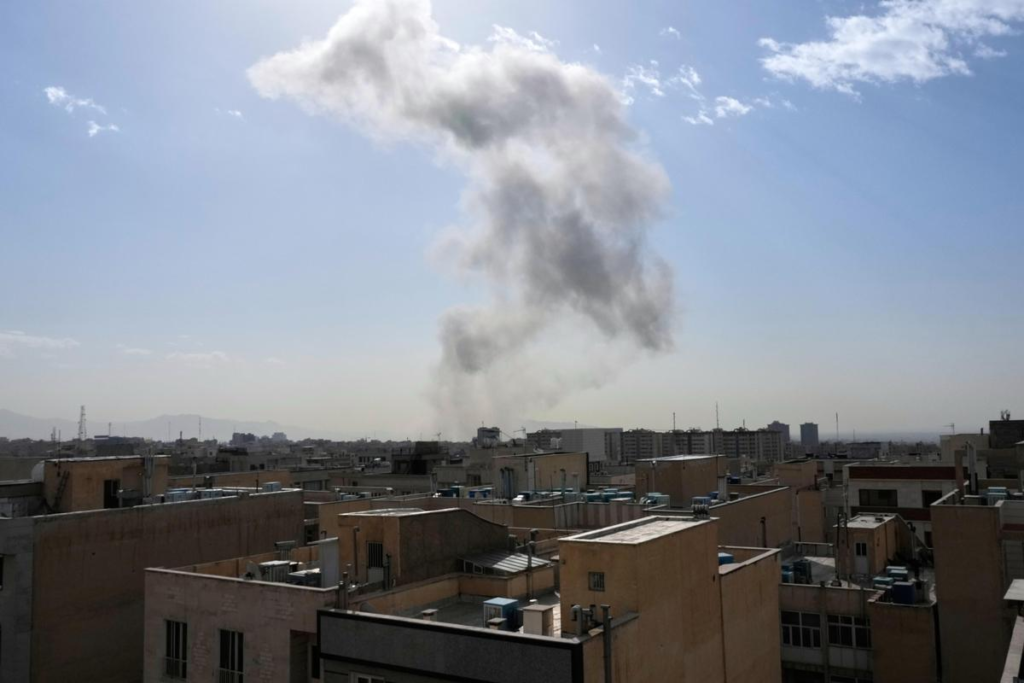
Beyond physical confrontation, the conflict has expanded into the digital and information domains. The release of strike footage, propaganda messaging, and viral war clips reflect a growing battle for narrative dominance.
Governments and affiliated groups are using media strategically to shape global opinion and influence domestic morale. Competing narratives are flooding social platforms, making it harder for the public to distinguish verified facts from misinformation.
This information war is playing a crucial role in shaping international reactions.
World leaders have expressed concern over the rapid escalation, urging restraint from all sides. Diplomatic channels are reportedly working behind the scenes to prevent further deterioration of the situation.
Several countries have called for de-escalation and renewed dialogue, warning that continued escalation could destabilize global security and economic stability.
The conflict’s potential to disrupt global trade routes and energy supplies has added urgency to diplomatic efforts.
Even at this early stage, the conflict is already impacting global markets. Energy prices have shown volatility amid fears of supply disruptions in a region critical to oil and gas exports.
Shipping routes and aviation corridors are also being closely monitored for potential disruptions. Insurance premiums for cargo moving through sensitive zones have reportedly risen, reflecting growing risk perception.
If the conflict escalates further, broader economic consequences could follow, affecting inflation and global growth.
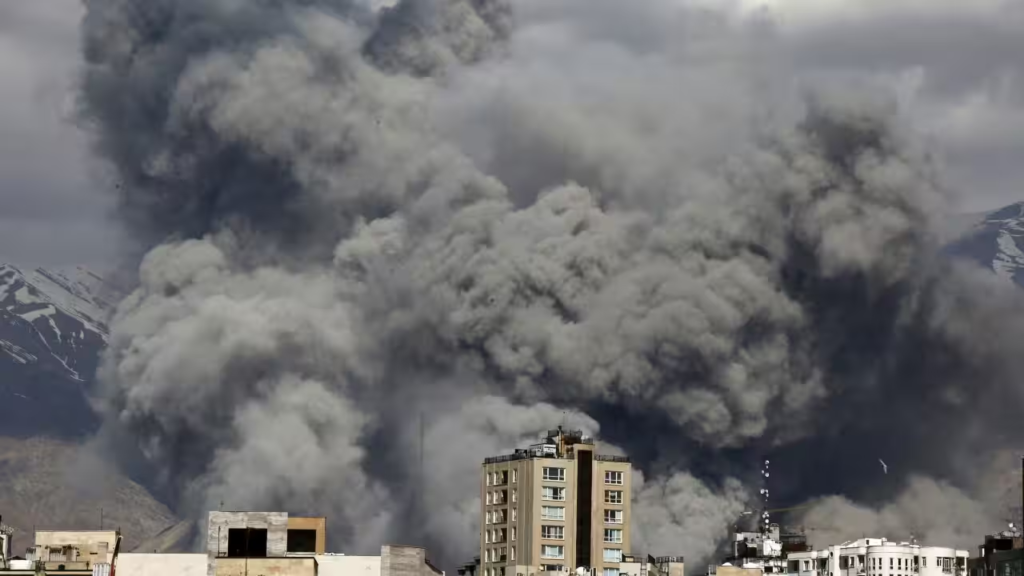
The coming days will be crucial in determining whether the crisis stabilizes or spirals into a broader regional war. Much will depend on how the key players calibrate their next moves.
A measured approach could create space for diplomacy, while aggressive retaliation risks igniting a chain reaction that becomes difficult to control. Analysts warn that once multiple actors are deeply involved, de-escalation becomes exponentially harder.
The situation remains fluid, with developments unfolding rapidly and global attention firmly fixed on the region.