Israel Bans Palestinians from Al-Aqsa Ahead of Ramzan — 7 Key Impacts Explained
Israel bans Palestinian entry into Al-Aqsa ahead of Ramzan, sparking regional tensions, global reactions, and concerns over religious freedom
As the holy month of Ramzan approaches, Israel has imposed restrictions on Palestinian entry into the Al-Aqsa Mosque compound, one of Islam’s most sacred sites, sparking widespread anger, diplomatic concern, and heightened regional tensions. The decision has reignited debates over religious freedom, security policies, and the fragile status quo governing Jerusalem’s holy sites.
The move has drawn strong reactions from Palestinians, Muslim nations, international human rights groups, and political leaders worldwide, with many warning that such restrictions could escalate unrest during an already sensitive religious period.
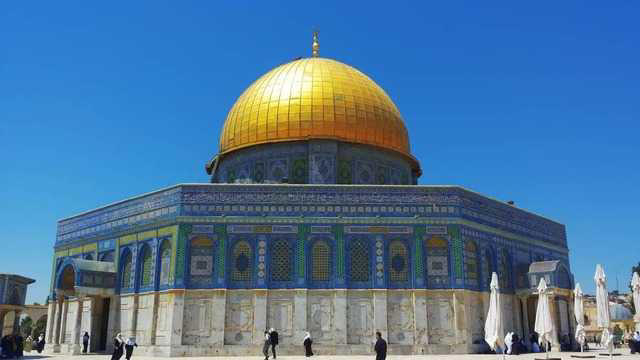
Al-Aqsa Mosque, located in East Jerusalem, holds immense religious significance for Muslims and is also part of a sacred complex revered by Jews and Christians. Any change to access policies at the site has historically been a flashpoint for violence, protests, and diplomatic disputes.
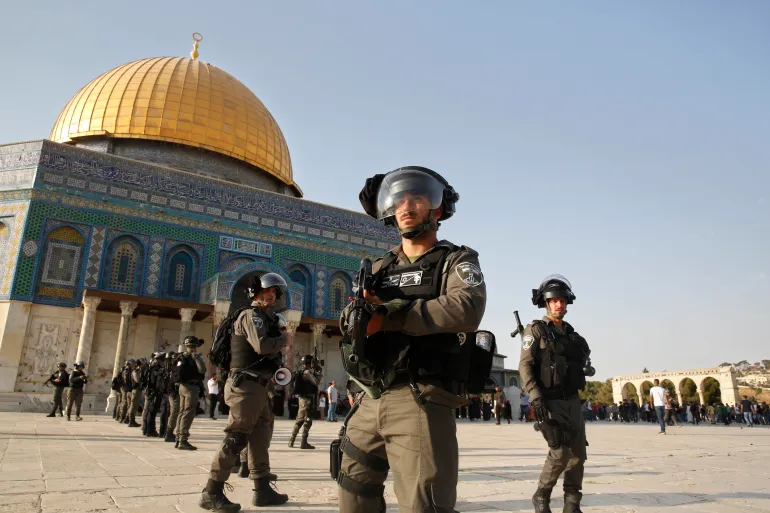
Israeli authorities have announced tightened security measures limiting or banning the entry of many Palestinians into the Al-Aqsa Mosque compound ahead of Ramzan. The government claims the decision is based on security concerns, citing fears of potential unrest, violence, or incitement.
Key reported elements of the restrictions include:
- Limiting access for Palestinians from the West Bank
- Requiring special permits for entry
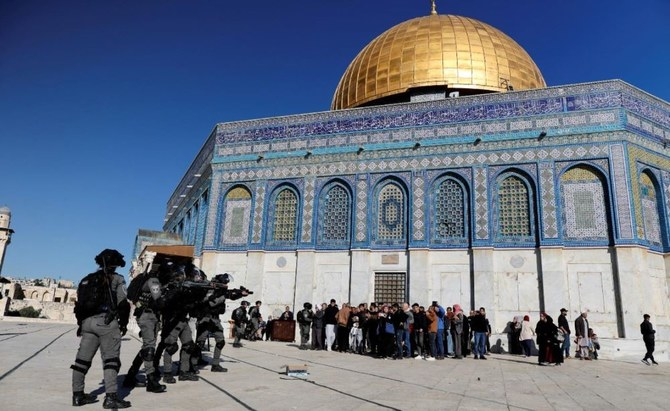
- Enhanced military and police presence around the holy site
- Possible age-based restrictions on worshippers
- Increased surveillance and checkpoints
Israeli officials argue these steps are necessary to maintain order and prevent clashes, especially during large prayer gatherings that attract tens of thousands of worshippers.
Palestinians have strongly condemned the move, calling it a violation of religious rights, international law, and long-standing agreements governing access to holy sites.
Palestinian leaders accused Israel of:
- Politicizing religious spaces
- Provoking Muslims during a sacred period
- Undermining peace and stability
- Attempting to alter the historical and religious status quo
Protests erupted in East Jerusalem, the West Bank, and Gaza, with demonstrators demanding unrestricted access to Al-Aqsa Mosque. Many fear the restrictions could spark broader unrest across the region.
Al-Aqsa Mosque is the third holiest site in Islam, after Mecca and Medina. It is a central spiritual destination for Muslims worldwide, especially during Ramzan, when prayers and pilgrimages peak.
At the same time, the compound—known to Jews as the Temple Mount—is also sacred in Judaism, believed to be the site of ancient Jewish temples.
Because of its religious significance, any perceived change in access rules often triggers political crises, street protests, and international diplomatic interventions.
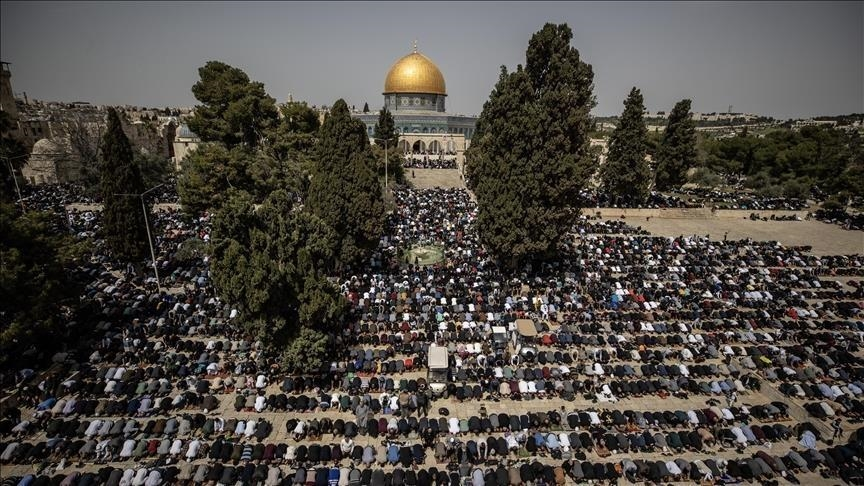
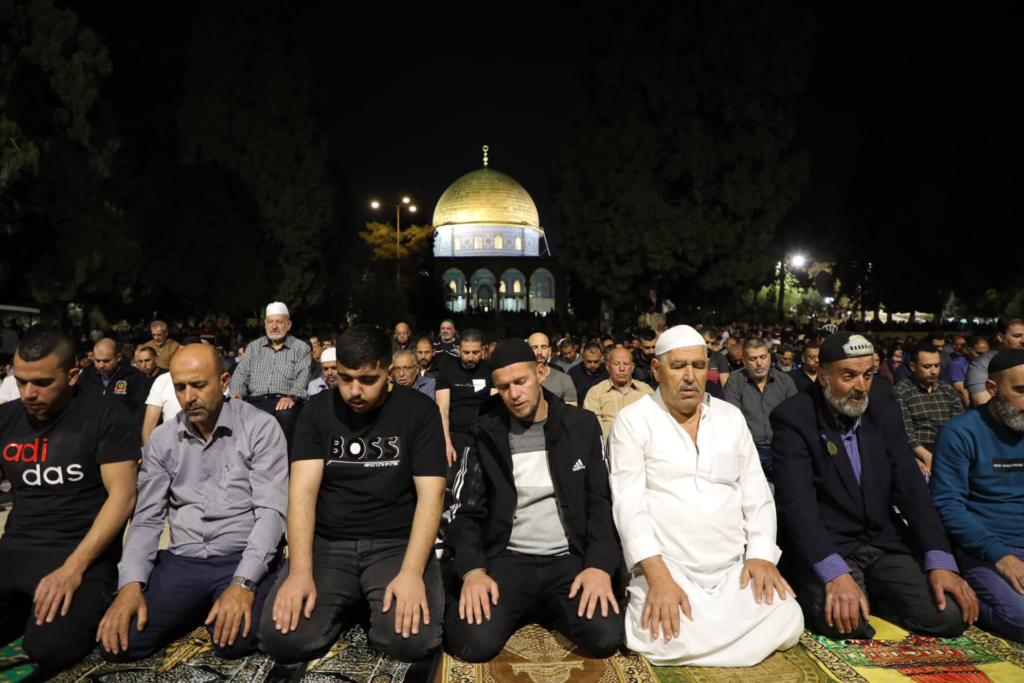
Ramzan is a deeply spiritual month, marked by fasting, prayer, charity, and nightly congregations at mosques. Al-Aqsa typically sees massive crowds during the holy month, particularly during Laylat al-Qadr, the Night of Power.
Restricting access during this sacred time is viewed by many Muslims as:
- A religious provocation
- An emotional and spiritual affront
- A risk to communal peace
Experts warn that any incident at Al-Aqsa during Ramzan could quickly escalate, fueling unrest not only in Jerusalem but across Gaza, the West Bank, and neighboring countries.
The decision has drawn criticism from multiple countries and international organizations.
Muslim Nations Respond
Several Muslim-majority countries expressed serious concern, urging Israel to:
- Respect religious freedom
- Uphold the historical status quo
- Avoid actions that could destabilize the region
United Nations and Human Rights Groups
The United Nations, along with human rights organizations, warned that restricting access to religious sites could violate international law and worsen humanitarian tensions.
Rights groups emphasized:
- The right to worship
- The need for de-escalation
- Protection of holy places from political conflict
Israeli officials defend the restrictions by citing security threats, including:
- Past incidents of violence near the mosque
- Concerns about potential extremist activity
- Intelligence warnings about planned unrest
Authorities claim the measures are intended to protect both worshippers and security personnel, insisting they are temporary and preventive rather than punitive.
However, critics argue that security justifications have frequently been used to limit Palestinian movement and religious practice, fueling resentment and distrust.
Al-Aqsa has been at the center of multiple violent confrontations over decades, including:
- The Second Intifada, which was partly triggered by events at the compound
- Repeated clashes between Israeli forces and Palestinian worshippers
- Periodic closures and access restrictions that sparked mass protests
These historical precedents make the current situation particularly volatile, as tensions tend to rise quickly when Al-Aqsa is involved.
Analysts warn that the entry ban could have wider geopolitical consequences, potentially affecting:
- Israel–Palestine relations
- Stability in Jordan, which has custodial ties to Al-Aqsa
- Public sentiment in Arab and Muslim-majority nations
- Global diplomatic discourse on Middle East peace
Some experts caution that missteps during Ramzan could undo years of diplomatic efforts and intensify radicalization risks.
The issue has exploded across social media platforms, with hashtags trending worldwide in support of Palestinian worshippers and religious freedom.
Viral posts highlight:
- Emotional appeals for free access to holy sites
- Calls for international intervention
- Images and videos of protests and police deployments
The topic has become one of the most discussed Middle East issues in recent weeks, reflecting its deep emotional and political resonance.
Muslim scholars and religious leaders have urged peaceful responses, emphasizing:
- The spiritual importance of Ramzan
- The need to avoid violence
- The importance of protecting sacred spaces from political conflict
Some interfaith groups have also called for dialogue and restraint, warning that religious polarization could deepen divisions.
Beyond religious implications, the restrictions also affect:
- Palestinian livelihoods, especially merchants near Al-Aqsa
- Tourism in Jerusalem
- Humanitarian conditions in East Jerusalem
Local businesses that rely on Ramzan foot traffic fear economic losses, while families worry about mobility restrictions and safety concerns.
Many analysts believe the situation could become a trigger point for wider unrest, especially if:
- Restrictions intensify
- Clashes occur at the mosque
- Political rhetoric escalates
Past incidents suggest that Al-Aqsa-related tensions often resonate far beyond Jerusalem, sometimes igniting broader regional confrontations.
International mediators and peace advocates are urging all parties to exercise restraint and prioritize:
- Dialogue over confrontation
- Religious rights and mutual respect
- Preservation of the historic status quo
Some experts suggest that coordinated international diplomacy may be necessary to prevent escalation during Ramzan.