Jharkhand Air Ambulance Crash Horror: 7 Victims’ Bodies Brought to Hospital for Post-Mortem in Tragic Disaster
A tragic air ambulance crash in Jharkhand claims 7 lives as victims’ bodies are brought to a hospital for post-mortem
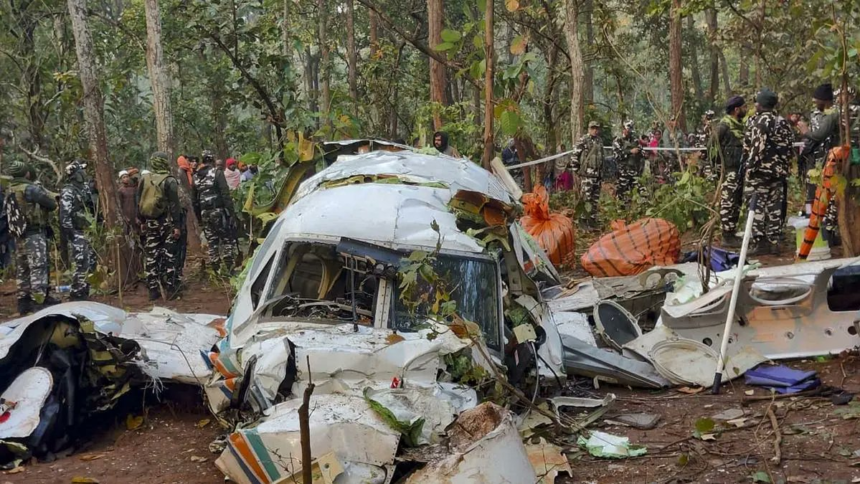
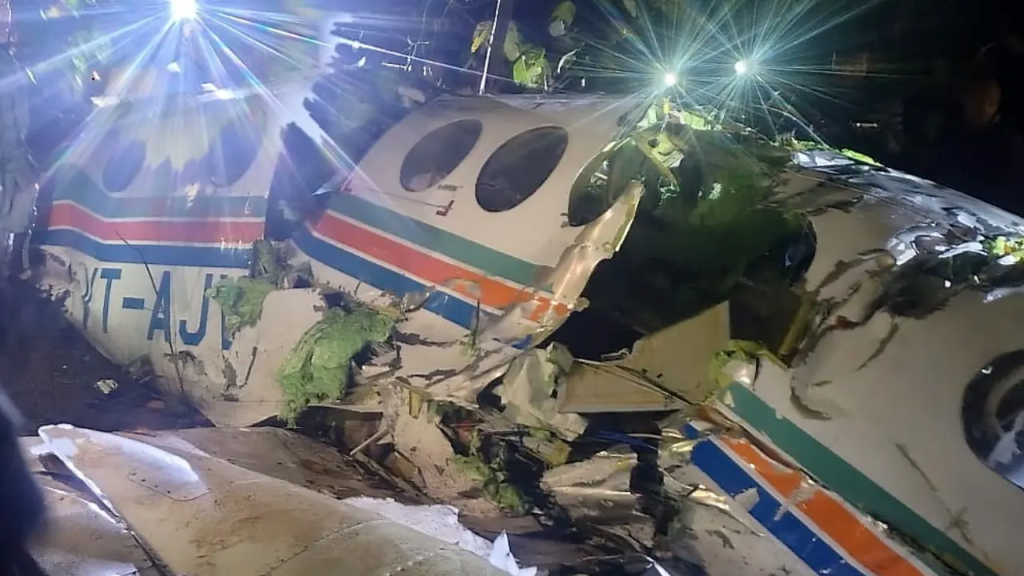
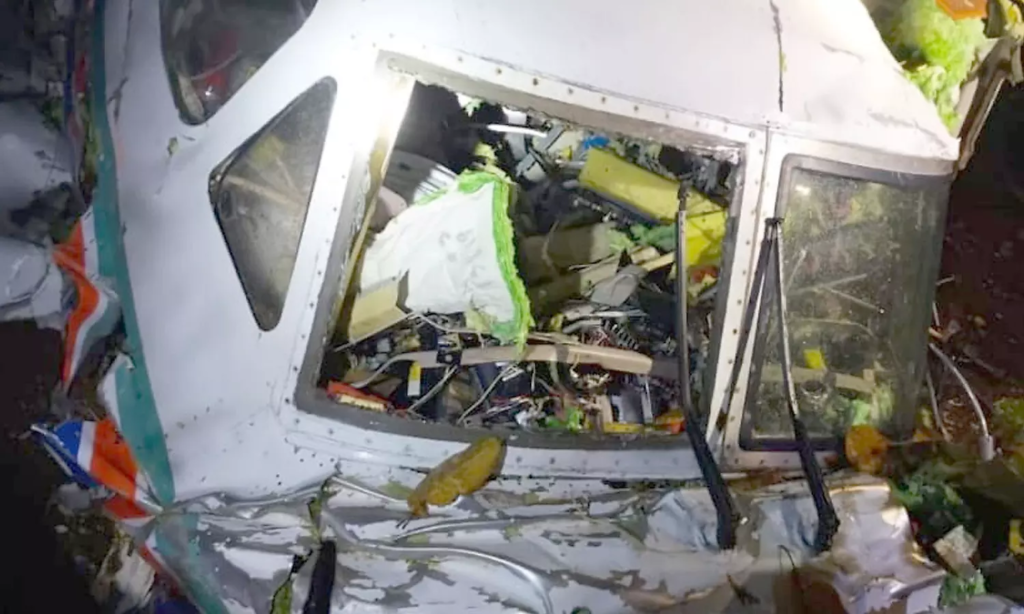
A devastating air ambulance crash in Jharkhand has left the nation shaken, with seven lives lost in one of the most heartbreaking aviation tragedies in recent months. Authorities confirmed that the bodies of all victims have been recovered and brought to a hospital for post-mortem examinations, as investigators begin the complex process of uncovering what led to the fatal crash.
The tragedy has sparked grief, shock, and urgent questions about air safety, particularly involving medical evacuation flights that are meant to save lives but sometimes end in unimaginable loss.
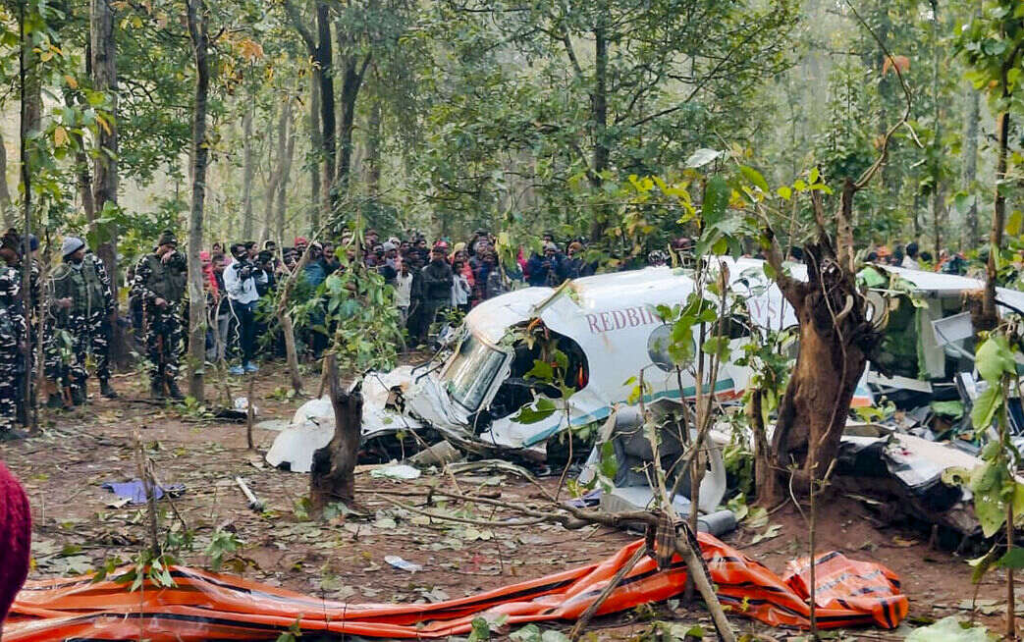
According to initial reports, the air ambulance was on a critical medical mission when the accident occurred. The aircraft reportedly went down shortly after takeoff or during its route, though the exact sequence of events remains under investigation.
Emergency responders rushed to the crash site immediately after the incident was reported. However, the impact was reportedly severe, leaving little chance of survival for those onboard. Rescue teams worked tirelessly to retrieve the bodies and secure the site for further examination.
Local residents described hearing a loud explosion followed by chaos as emergency services converged on the area.
Officials confirmed that the remains of all seven victims have been transported to a nearby hospital for post-mortem examinations. The autopsies are expected to help determine the precise cause of death and provide crucial forensic evidence for the ongoing investigation.
The post-mortem process is a critical step in aviation disasters, as it helps authorities reconstruct the sequence of events and identify whether fatalities were caused by impact trauma, fire, or other complications.
Family members of the victims have reportedly gathered at the hospital, waiting anxiously for official identification and final reports. Scenes of grief and emotional distress have been reported, as loved ones struggle to come to terms with the sudden loss.
While authorities have yet to release the complete list of names publicly, sources indicate that the victims included medical staff and possibly a patient or accompanying relatives. Air ambulances typically carry a mix of pilots, healthcare professionals, and critically ill patients, making such crashes particularly tragic.
If confirmed, the loss of trained medical personnel will be deeply felt within the healthcare community, as these professionals risk their lives daily to save others in emergency situations.

Officials are expected to release verified identities once formal identification procedures are completed.
Although investigations are still in the early stages, several key details have emerged:
- The aircraft was reportedly on a medical evacuation mission
- All seven people onboard were killed in the crash
- The wreckage was recovered after an extensive search and rescue operation
- Post-mortem examinations are underway
- Aviation and local authorities have launched a probe
Investigators are now focusing on technical, environmental, and human factors that may have contributed to the tragedy.
Aviation experts have highlighted several possible factors that could have led to the crash. While no official cause has been confirmed, authorities are likely examining:
1. Technical Failure
Mechanical issues such as engine failure, navigation system malfunction, or structural faults can lead to catastrophic crashes, especially in smaller aircraft like air ambulances.
2. Weather Conditions
Adverse weather is often a major contributor to aviation accidents. Poor visibility, heavy rain, or sudden wind shifts could have played a role.
3. Human Error
Pilot fatigue, miscommunication, or navigational mistakes are also factors that investigators typically consider in such cases.
4. Maintenance and Compliance Issues
Authorities will also review maintenance records, safety compliance reports, and operational logs to determine whether the aircraft met regulatory standards.
Air ambulances play a vital role in emergency medical services, especially in regions where road transport is slow or inaccessible. However, these flights come with unique risks.
Unlike commercial aviation, air ambulances often operate under high-pressure conditions, including:
- Urgent takeoffs and landings
- Flights in difficult weather
- Remote or challenging terrain
- Limited preparation time
Experts note that these factors make safety protocols even more critical.
Authorities have assured the public that a full-scale investigation is underway. Aviation regulators, local administration, and forensic experts are working together to uncover the truth behind the crash.
Officials have also promised transparency and accountability, emphasizing that strict action will be taken if negligence or safety violations are discovered.
Aviation safety boards are expected to examine:
- Flight data and communication logs
- Black box recordings (if available)
- Maintenance history of the aircraft
- Pilot credentials and training records
The findings of the investigation could take weeks or even months to be finalized.
News of the crash has triggered widespread mourning, with condolences pouring in from across the country. Political leaders, healthcare professionals, and citizens have expressed sorrow over the loss of lives.
Many have taken to social media to honor the victims, especially the medical personnel who dedicate their lives to saving others.
The tragedy has also reignited discussions around the risks faced by emergency responders and healthcare workers who operate in high-stakes environments.
As the bodies were brought in for post-mortem, heartbreaking scenes unfolded outside the hospital. Families waited for updates, clinging to hope for clarity and closure.
Authorities have reportedly deployed counselors and support teams to assist grieving relatives during this traumatic time. Psychological support is often crucial in the aftermath of sudden disasters, particularly when victims include frontline workers.
This incident has once again raised concerns about aviation safety standards, especially for air ambulance services. Experts are calling for:
- Stricter safety audits
- Better monitoring of emergency aviation operations
- Improved training and infrastructure
- Stronger regulatory oversight
Some aviation analysts have suggested that air ambulance operations need more standardized safety frameworks, given the life-and-death nature of their missions.
While rare, air ambulance crashes are not unheard of. Past incidents across different regions have highlighted vulnerabilities in emergency aviation systems.
These tragedies often lead to safety reforms, including updated guidelines, stricter inspections, and better technology adoption.
Many hope that the Jharkhand crash will lead to meaningful reforms that could prevent future disasters.
Beyond statistics and investigations, the real impact of this crash lies in the lives lost. Each victim represents a story, a family, and a future that was cut short.
If medical personnel were among the deceased, their loss will be deeply felt in the healthcare sector, where experienced professionals are invaluable.
The tragedy serves as a stark reminder of how fragile life can be — and how dangerous even life-saving missions can become.
In the coming days, authorities are expected to:
- Complete post-mortem examinations
- Hand over bodies to families
- Release preliminary findings
- Conduct detailed safety reviews
A final investigation report will likely outline the exact cause and recommend preventive measures.
Families and the public will be watching closely, hoping for answers and accountability.
As the investigation unfolds, the nation mourns the loss of seven lives in a tragedy that has left deep emotional scars. The air ambulance crash in Jharkhand is not just an aviation disaster — it is a human tragedy that underscores the risks faced by those who dedicate their lives to helping others.

While the post-mortem examinations may provide scientific clarity, the emotional wounds will take far longer to heal.
For now, the focus remains on supporting grieving families, uncovering the truth, and ensuring that such a heartbreaking incident is never repeated.