Korean Kid Stuns Mumbai: 1 Viral Moment at Iconic Dhobi Ghat Washing Clothes Like a Pro
A Korean kid goes viral after washing clothes at Mumbai’s iconic Dhobi Ghat. Watch the heartwarming moment, cultural exchange, and internet reactions
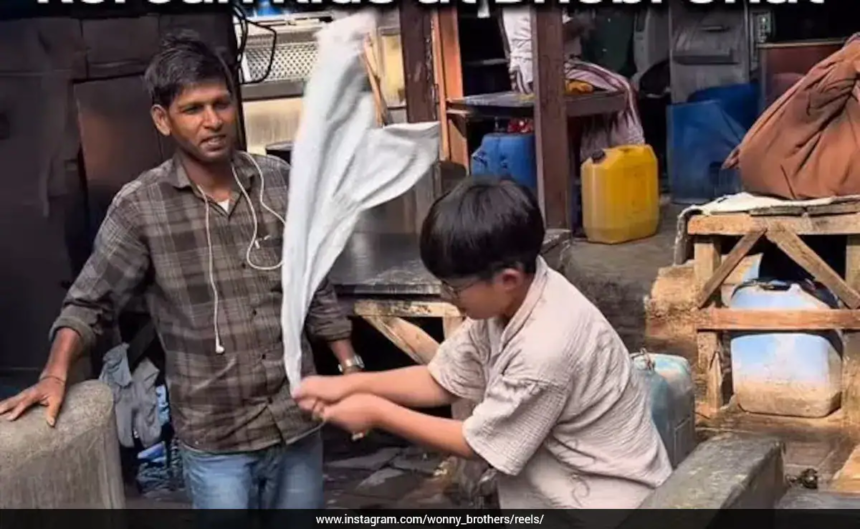
Mumbai’s iconic Dhobi Ghat, the world’s largest open-air laundry, has witnessed countless fascinating moments over the decades. But a recent viral video featuring a young Korean child washing clothes alongside traditional dhobis has captured hearts across India and South Korea alike. The heartwarming clip, which shows the kid enthusiastically scrubbing clothes, has sparked widespread admiration, cultural curiosity, and an outpouring of love on social media.
The video, shared across platforms like Instagram, YouTube, and X (formerly Twitter), shows the child confidently participating in the age-old laundry ritual at Mumbai’s historic Dhobi Ghat. With soap in hand and a beaming smile, the young visitor appears completely immersed in the experience, drawing applause from onlookers and seasoned dhobis who seem delighted by the unexpected guest.

The video quickly went viral, racking up millions of views within hours. Social media users from different parts of the world praised the child’s curiosity and willingness to engage with a traditional Indian profession.
“Pure joy to watch. This kid is learning real culture, not just sightseeing,” commented one user. Another wrote, “This is the kind of travel content we need more of. Respect to the parents for letting their child experience real India.”
The clip resonated deeply because it showcased a genuine moment of cross-cultural connection. In an age dominated by flashy travel reels and luxury tourism, this simple interaction at a working laundry site stood out as refreshingly authentic.
For those unfamiliar, Dhobi Ghat is one of Mumbai’s most iconic landmarks. Located near Mahalaxmi, it is the world’s largest open-air laundry, where hundreds of dhobis (traditional washermen) manually wash clothes from hotels, hospitals, and households across the city.
Established in 1890 during British rule, Dhobi Ghat remains a thriving hub of manual labor, tradition, and community. Rows of concrete wash pens, endless lines of drying clothes, rhythmic beating of fabric on stone slabs, and the collective hum of activity make it a unique spectacle.
The site has been featured in Bollywood films, documentaries, and travel vlogs, making it a popular tourist attraction for visitors seeking a glimpse into Mumbai’s working-class heritage.
According to sources, the Korean child was visiting Mumbai with family as part of a cultural exchange or travel experience. The family reportedly wanted to explore authentic local life rather than just conventional tourist spots.
During their visit to Dhobi Ghat, the child expressed curiosity about how clothes were washed manually. Seeing the interest, a few dhobis encouraged the kid to try washing clothes themselves.
Under supervision, the child picked up a piece of fabric, applied soap, scrubbed it against a stone slab, and even attempted the traditional rhythmic beating technique. The dhobis were seen laughing and clapping as the kid tried to mimic their movements.
What started as a casual tourist moment soon turned into a viral internet sensation.
The dhobis who appeared in the video seemed delighted by the child’s enthusiasm.
“He was so excited to try. We just showed him how we do it, and he copied us. He did a pretty good job for a first-timer,” said one dhobi, smiling proudly.
Another dhobi joked, “He’s one of us now. Maybe he’ll come back and join our work someday.”
Their warmth and openness added to the charm of the moment, showcasing the hospitality and friendliness often associated with Mumbai’s working-class communities.
The video quickly became a trending topic, with hashtags related to Dhobi Ghat, Korean kid, and Mumbai going viral.
Users from South Korea flooded the comment sections, expressing admiration for India’s cultural richness and hospitality.
“This makes me want to visit India. The people seem so kind,” wrote a South Korean user.
Indian users, meanwhile, praised the child for embracing local culture.
“This kid has more courage and curiosity than many adults. Respect,” said another comment.
Several influencers and travel vloggers reshared the clip, calling it a “perfect example of meaningful travel.”
Beyond its viral appeal, the moment has sparked discussions about how travel should be about learning, respecting, and experiencing local life rather than just taking photos.
Travel experts say moments like these create lasting memories and deeper cultural understanding.
“When tourists engage with local communities respectfully, it leads to beautiful exchanges like this. This video is a powerful reminder of what real travel looks like,” said travel blogger Riya Malhotra.
The child’s willingness to step into an unfamiliar environment and try something new resonated with people who see travel as a tool for personal growth.
Dhobi Ghat has long fascinated international visitors due to its scale, history, and authenticity. Tourists from Europe, the US, and East Asia often include it in their Mumbai itinerary.
The viral video has once again put Dhobi Ghat in the global spotlight, potentially boosting tourism interest.
Local tour guides report a spike in inquiries after the video went viral.
“Many tourists are now asking about Dhobi Ghat tours after seeing that video. It’s great for local businesses,” said a guide who conducts heritage walks in Mumbai.

While most reactions have been positive, some social media users raised ethical questions about filming a child in a working environment and whether the video romanticizes manual labor.
“This is cute, but we shouldn’t turn people’s hard work into tourist entertainment,” wrote one critic.
Others questioned whether the dhobis were compensated or asked for consent before the video was shared widely.
In response, the family reportedly clarified that they had obtained permission from the workers and that the child’s participation was entirely voluntary and supervised.
In a brief statement shared on social media, the child’s parents explained their intention behind the visit.
“We wanted our child to understand how people live and work in different parts of the world. This experience taught them humility, respect for labor, and appreciation for cultural diversity,” they wrote.
They also thanked the dhobis for their kindness and patience.
“Our child will never forget this day. We are grateful to the people of Mumbai for welcoming us so warmly.”
Interestingly, the viral moment has also been viewed as a form of soft diplomacy between India and South Korea.
Cultural experts believe such organic interactions help strengthen people-to-people ties.
“This one video has done more for India-South Korea goodwill than many formal campaigns. It shows the human side of cultural exchange,” said international relations analyst Dr. Meera Joshi.
With K-pop and Korean culture already popular in India, the reverse curiosity about Indian culture in South Korea is now gaining momentum.
In an online world often dominated by negativity, outrage, and controversy, this video stood out for its positivity.
Many users called it a “feel-good clip” that restored their faith in humanity.
“This is the content we need more of. No politics, no hate, just humans connecting,” wrote one user.
The clip has been shared by multiple pages that focus on uplifting stories, further amplifying its reach.
The Korean child and family have reportedly continued their travels in India, visiting other cultural landmarks.
There are also rumors that a documentary crew might be interested in featuring their travel journey.
Meanwhile, Dhobi Ghat authorities are considering creating a structured visitor experience that allows tourists to observe and respectfully interact with dhobis without disrupting their work.
Read Also : China Will Eat Them Up!” — Donald Trump Slams Canada in 1 Explosive Attack Over Greenland ‘Golden Dome’ Plan