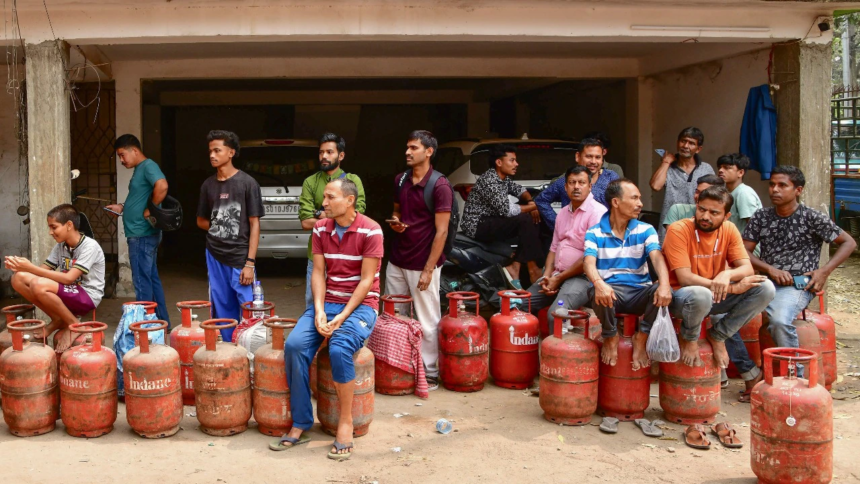
LPG Cylinder Mystery EXPOSED: 7 Surprising Reasons Why Gas Cylinders Come with 14.2 Kg Instead of Round Figures in India
Why do LPG cylinders in India come with 14.2 kg instead of a round number? Discover 7 surprising reasons behind this standard, from safety rules to pricing and government regulations
Liquefied Petroleum Gas (LPG) cylinders are a common sight in millions of Indian households. From cooking daily meals to powering small businesses, LPG plays a vital role in everyday life. Yet, one question has puzzled many consumers for years: why do domestic LPG cylinders in India come with exactly 14.2 kg of gas instead of a neat, round number like 15 kg?
At first glance, it may seem arbitrary or even confusing. However, this specific figure is not random—it is the result of decades of engineering decisions, safety protocols, economic calculations, and regulatory policies. The answer is more fascinating than most people expect.
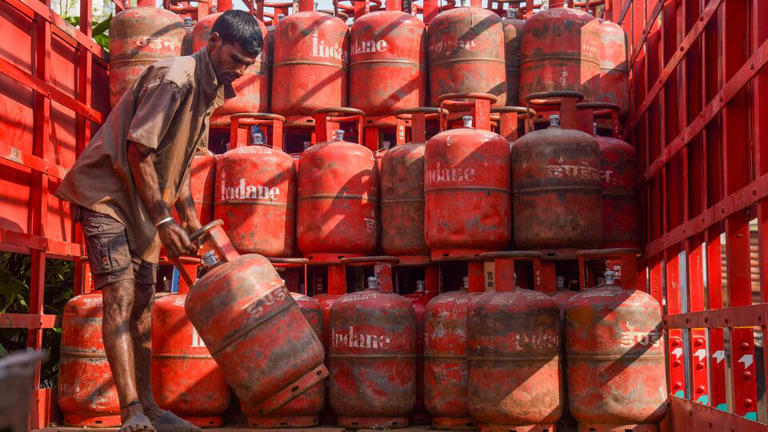
Let’s break down the mystery behind the 14.2 kg LPG cylinder and uncover the 7 surprising reasons that explain this standard.
The origin of the 14.2 kg cylinder dates back several decades when LPG distribution was being standardized across India. Public sector oil companies like Indian Oil Corporation, Bharat Petroleum, and Hindustan Petroleum played a major role in establishing uniform cylinder sizes.
During the early stages, experts conducted multiple studies to determine the ideal quantity of LPG for domestic use. The goal was to balance affordability, usability, and logistical convenience. After testing different capacities, 14.2 kg emerged as the most practical option for Indian households.
One of the biggest reasons behind the 14.2 kg limit is safety. LPG is a highly flammable substance, and storing it under pressure requires strict safety standards.
Cylinders are not filled to their maximum capacity. Instead, they are filled to a level that allows for thermal expansion of the gas. When temperatures rise, LPG expands, and overfilling can lead to dangerous pressure build-up.
By limiting the content to 14.2 kg, manufacturers ensure:
- Adequate space inside the cylinder for expansion
- Reduced risk of leaks or explosions
- Compliance with international safety norms
This seemingly odd number is actually a carefully calculated safety threshold.
Another key factor is ease of handling. A full LPG cylinder includes both the gas and the metal container, bringing the total weight to around 29–30 kg.
If the gas quantity were increased to 15 kg or more, the total weight would become significantly harder to lift, especially for delivery personnel and household users.
The 14.2 kg standard strikes a balance:
- Heavy enough to last for weeks
- Light enough to be carried safely by one or two people
- Suitable for urban and rural distribution
This is particularly important in a country like India, where cylinders are often manually transported.
India’s vast geography and diverse infrastructure make LPG distribution a complex task. Oil companies needed a cylinder size that would optimize transportation and storage.
With 14.2 kg cylinders:
- Trucks can carry a standardized number of units efficiently
- Storage facilities can be designed with uniform dimensions
- Loading and unloading processes become streamlined
A round figure like 15 kg might seem simpler, but it would disrupt the finely tuned logistics system that has been built over decades.
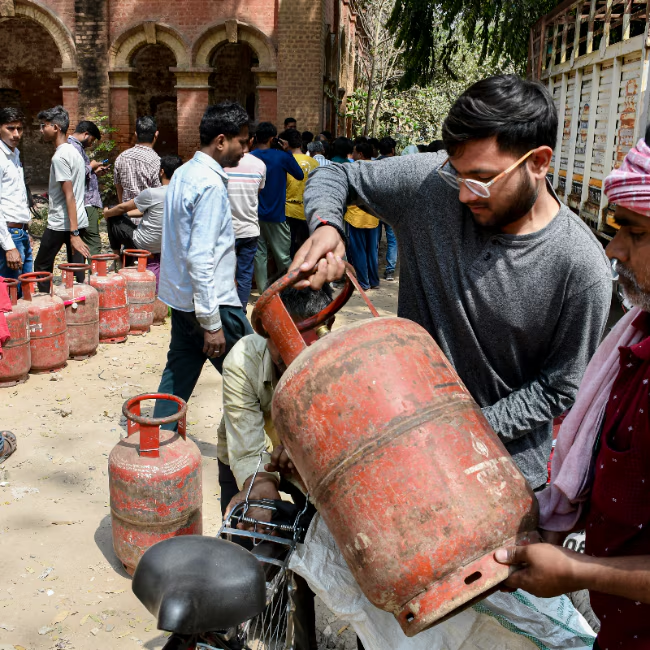
The Indian government has historically provided subsidies on LPG to make it affordable for households. A standardized weight like 14.2 kg makes it easier to calculate pricing, subsidies, and taxes.
Programs like Pradhan Mantri Ujjwala Yojana have relied on this standard to distribute subsidized cylinders to millions of families.
The fixed weight ensures:
- Transparent pricing across the country
- Uniform subsidy distribution
- Simplified billing for consumers
Changing the weight would require a complete overhaul of pricing structures and subsidy mechanisms.
While 14.2 kg may seem unique, it aligns closely with international LPG standards when considering cylinder design and pressure limits.
Engineers design cylinders based on:
- Internal volume
- Pressure tolerance
- Material strength
The 14.2 kg capacity fits perfectly within these parameters, ensuring durability and long-term usage. It also allows cylinders to undergo repeated refilling cycles without compromising structural integrity.
Finally, consumer behavior played a crucial role in determining the cylinder size. Studies showed that an average Indian household consumes LPG at a rate that makes a 14.2 kg cylinder last for a reasonable period—typically 3 to 5 weeks, depending on usage.
This duration is ideal because:
- It reduces the frequency of refills
- It aligns with monthly budgeting cycles
- It ensures convenience without excessive storage
If cylinders were larger, they might last longer but would be harder to handle and more expensive upfront. Smaller cylinders, on the other hand, would require frequent replacements.
With evolving technology and changing lifestyles, one might wonder why the 14.2 kg standard hasn’t been updated.
The answer lies in infrastructure dependency. Millions of cylinders, delivery systems, storage units, and safety protocols are built around this standard. Changing it would involve:
- Massive financial investment
- Re-engineering of supply chains
- Public adaptation challenges
Therefore, sticking to 14.2 kg remains the most practical choice.
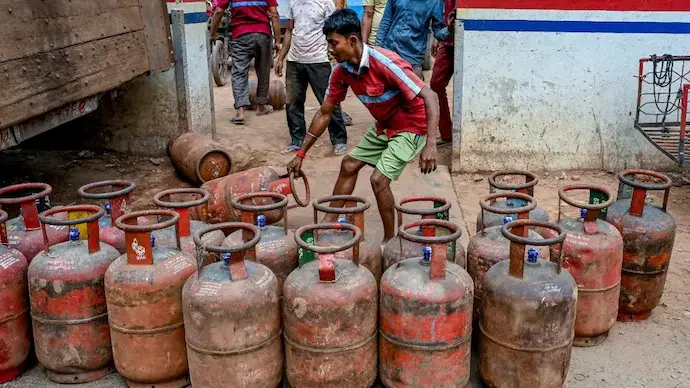
India’s LPG ecosystem is dominated by major players like Indian Oil Corporation, Bharat Petroleum, and Hindustan Petroleum. These companies ensure that cylinders meet strict quality and safety standards before reaching consumers.
Their coordinated efforts help maintain consistency across the country, ensuring that every household receives the same reliable product.