Maharashtra Laadki Bahin Scheme: 5 Big Reasons 86 Lakh Names Vanish After e-KYC Drive
Maharashtra’s Laadki Bahin scheme sees a massive 86 lakh beneficiary drop after e-KYC verification, triggering debate over eligibility checks and welfare transparency in the state
In a major development that has triggered political and public debate across Maharashtra, the number of beneficiaries under the state’s flagship Laadki Bahin welfare scheme has reportedly fallen by a staggering 86 lakh following a large-scale e-KYC verification drive. The sharp decline has raised questions about eligibility, data accuracy, and the future implementation of welfare schemes in the state.
Officials say the reduction is part of a systematic effort to weed out ineligible or duplicate beneficiaries, while critics argue that genuine recipients may have been excluded due to technical or procedural challenges. The development has now become a key talking point in policy and political discussions alike.
The Laadki Bahin scheme was introduced as a major social welfare initiative aimed at providing financial assistance to women, particularly from economically weaker sections. The program was designed to empower women by offering direct monetary benefits, enabling them to manage household expenses and improve their quality of life.
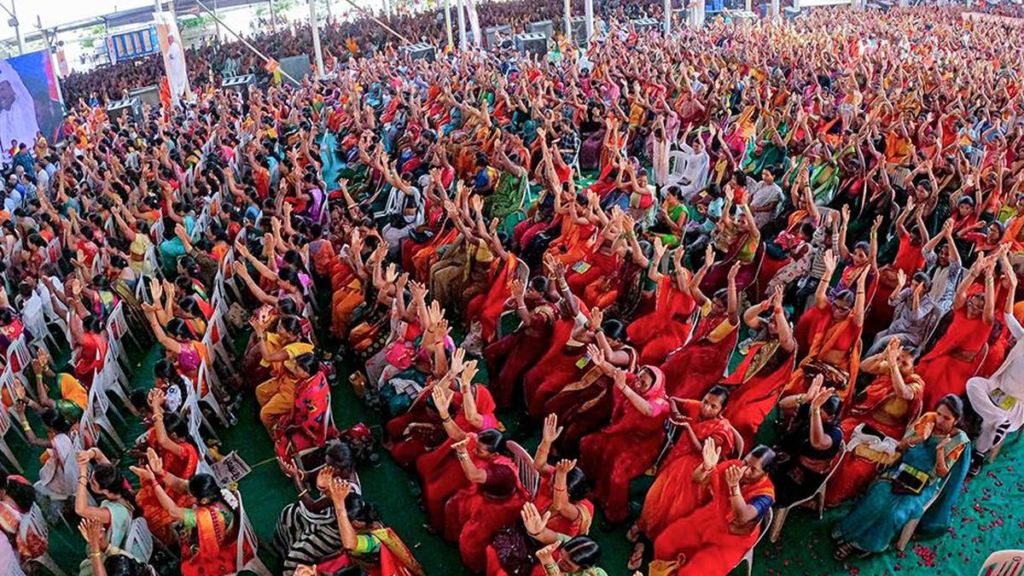
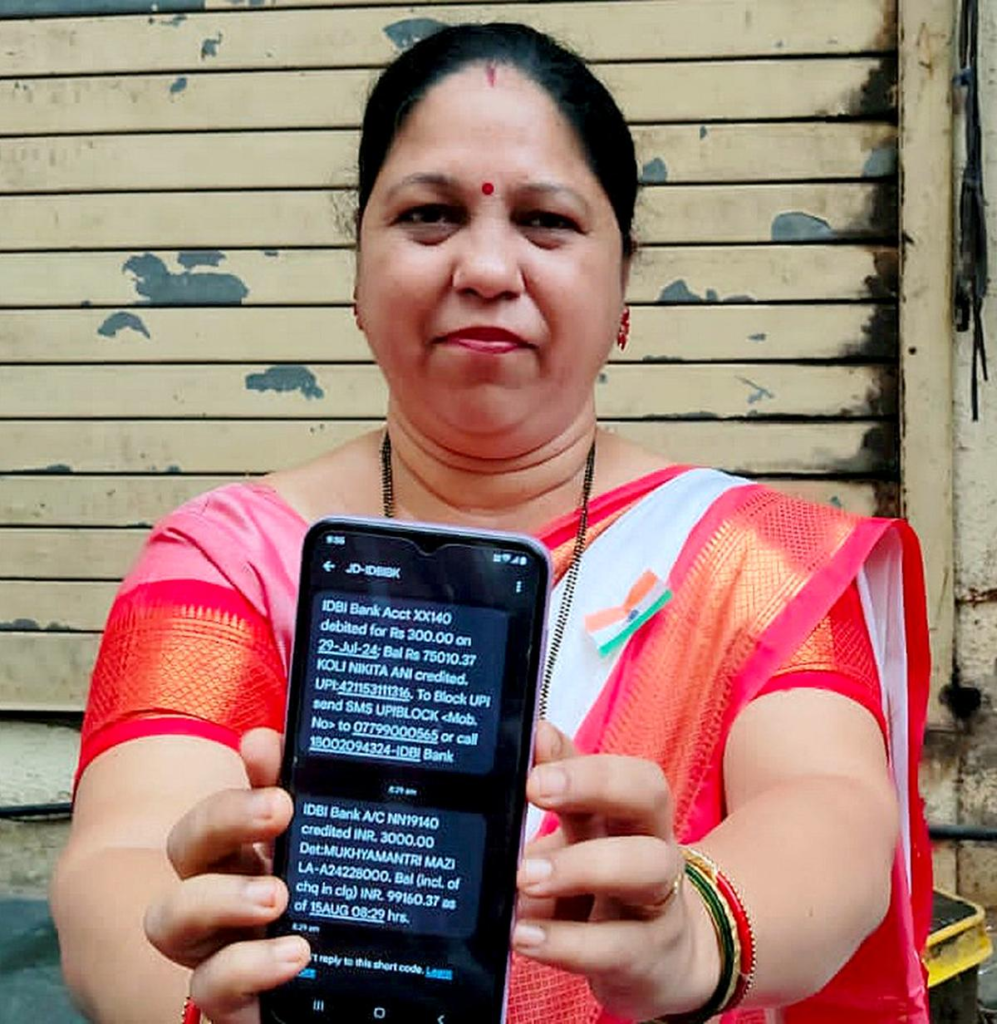
Since its launch, the scheme gained widespread popularity due to its direct benefit transfer (DBT) model. Lakhs of women enrolled across rural and urban Maharashtra, making it one of the largest gender-focused welfare initiatives in the state.
However, the massive scale of enrollment also raised concerns about verification and beneficiary authenticity, eventually leading to the recent e-KYC exercise.
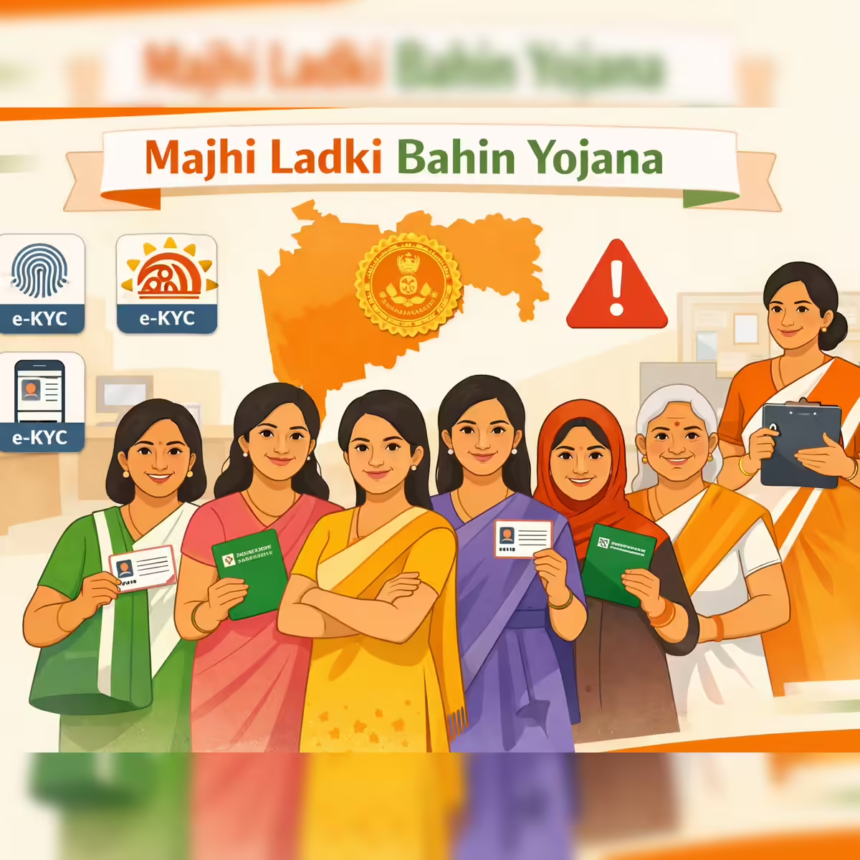
The government initiated an extensive electronic Know Your Customer (e-KYC) verification campaign to authenticate beneficiaries. The process involved linking Aadhaar details, verifying bank accounts, and cross-checking demographic and income data.
According to officials, the primary goals of the verification drive were:
- Removing duplicate entries
- Identifying ineligible beneficiaries
- Preventing misuse of funds
- Improving transparency in welfare distribution
The verification process was conducted through digital platforms and local administrative centers, allowing beneficiaries to update their records and confirm eligibility.
The most striking outcome of the verification drive has been the removal of 86 lakh names from the beneficiary list. This dramatic drop has stunned observers, given the scheme’s massive reach and popularity.
Authorities claim that many of the removed names fell into categories such as:
- Duplicate registrations
- Beneficiaries not meeting income criteria
- Invalid or unverified Aadhaar linkages
- Non-responsive applicants during verification
Officials insist that the clean-up exercise was necessary to ensure that only eligible individuals receive benefits and that taxpayer funds are used responsibly.
State authorities have defended the move, calling it a “data purification exercise.” According to officials, welfare schemes often face the challenge of inflated beneficiary lists due to outdated data or fraudulent enrollments.
By conducting e-KYC verification, the government aims to:
- Strengthen trust in welfare delivery
- Improve targeting of subsidies
- Prevent leakages in public funds
- Enhance administrative efficiency
Supporters of the move argue that such verification drives are essential for modernizing welfare systems and ensuring benefits reach the truly deserving.
Despite the government’s justification, the sharp drop has sparked concerns that many genuine beneficiaries may have been excluded inadvertently.
Social activists and opposition leaders have pointed out that digital verification processes can disadvantage:
- Women without access to smartphones or internet
- Rural beneficiaries facing connectivity issues
- Elderly applicants unfamiliar with digital systems
- Individuals with Aadhaar or banking discrepancies
There are also reports of beneficiaries struggling with biometric mismatches or technical errors during the verification process.
These concerns have led to calls for a review mechanism and re-verification opportunities for those removed from the list.
The massive reduction in beneficiaries has quickly turned into a political flashpoint. While ruling authorities have framed the move as a step toward transparency, critics have accused the administration of undermining a crucial welfare scheme.
Opposition voices have demanded:
- A public audit of the verification process
- Transparency in criteria used for removal
- Immediate reinstatement of eligible beneficiaries
- A grievance redressal mechanism
Meanwhile, government supporters argue that welfare schemes must evolve to prevent misuse and that verification drives are standard administrative practices.
For many women who relied on the scheme’s financial support, the sudden removal has created uncertainty and distress. Reports from various districts suggest confusion among former beneficiaries who are unsure about their eligibility status.
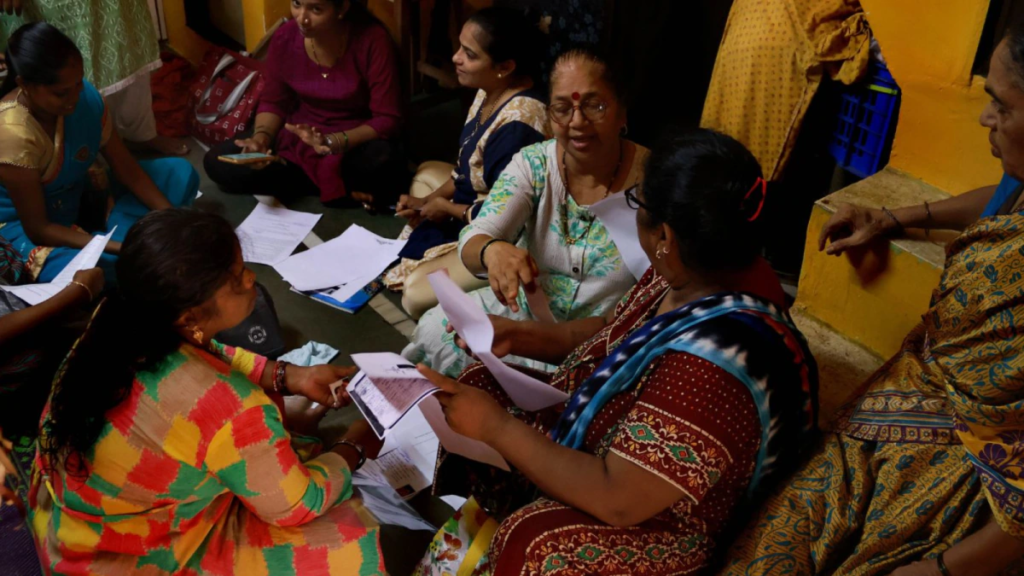
Some women claim they were unaware of the e-KYC requirement, while others say they faced difficulties completing the verification despite multiple attempts.
The issue highlights the importance of awareness campaigns and support systems during large-scale digital verification drives.
The Laadki Bahin beneficiary reduction reflects a broader shift toward digitized governance in welfare distribution. Governments across India are increasingly adopting digital verification tools to streamline public service delivery.
Digital systems offer several advantages:
- Reduced corruption and intermediaries
- Faster benefit transfers
- Accurate data management
- Improved monitoring and audits
However, experts warn that rapid digitization must be accompanied by robust support infrastructure to avoid excluding vulnerable populations.
Policy analysts say the situation underscores the delicate balance between efficiency and inclusivity in welfare governance.
Some experts argue that data-driven verification is essential for long-term sustainability of welfare programs. However, they also stress the need for:
- Hybrid verification models (digital + offline)
- Local assistance centers
- Extended deadlines for compliance
- Transparent appeal processes
Without these safeguards, large-scale exclusions could undermine public trust in welfare schemes.
In response to the backlash, there are growing calls for the government to introduce corrective measures. These may include:
- Allowing re-verification for removed beneficiaries
- Launching helplines and grievance portals
- Conducting awareness drives in rural areas
- Offering offline verification options
Such steps could help restore confidence and ensure that deserving beneficiaries are not left out due to procedural hurdles.
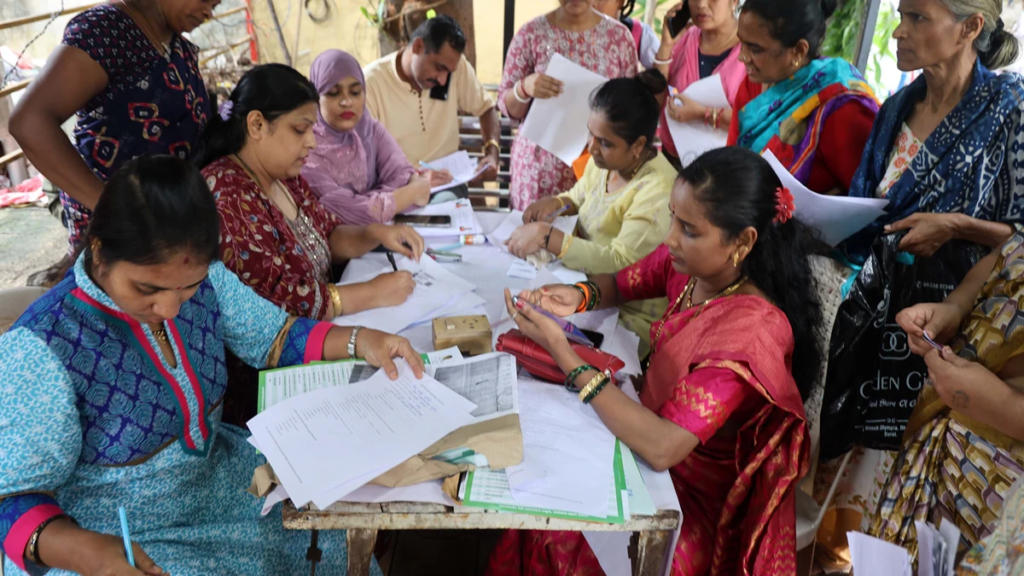
The Laadki Bahin episode could have implications beyond Maharashtra. As states and the central government increasingly rely on digital verification tools, similar issues may arise in other welfare programs.
The development raises key policy questions:
- How can governments ensure accuracy without mass exclusion?
- What safeguards are needed for vulnerable groups?
- How should digital governance balance efficiency and empathy?
These questions are likely to shape future welfare reforms across the country.
Read Also : Poha Factory Horror: 5 Shocking Scenes of Unhygienic Packing Go Viral