Mid-Air Scare: IndiGo Flight Makes Emergency Landing in Delhi After 1 Engine Failure
An IndiGo flight made an emergency landing at Delhi airport after a sudden engine failure, with all passengers reported safe
A major aviation scare unfolded in India after an IndiGo flight was forced to make an emergency landing at Indira Gandhi International Airport due to a mid-air engine failure. The incident, which could have escalated into a serious crisis, ended on a reassuring note as all passengers and crew were reported safe.
The episode has once again brought aviation safety into focus, raising questions about aircraft maintenance, emergency preparedness, and passenger safety protocols in one of the world’s fastest-growing aviation markets.
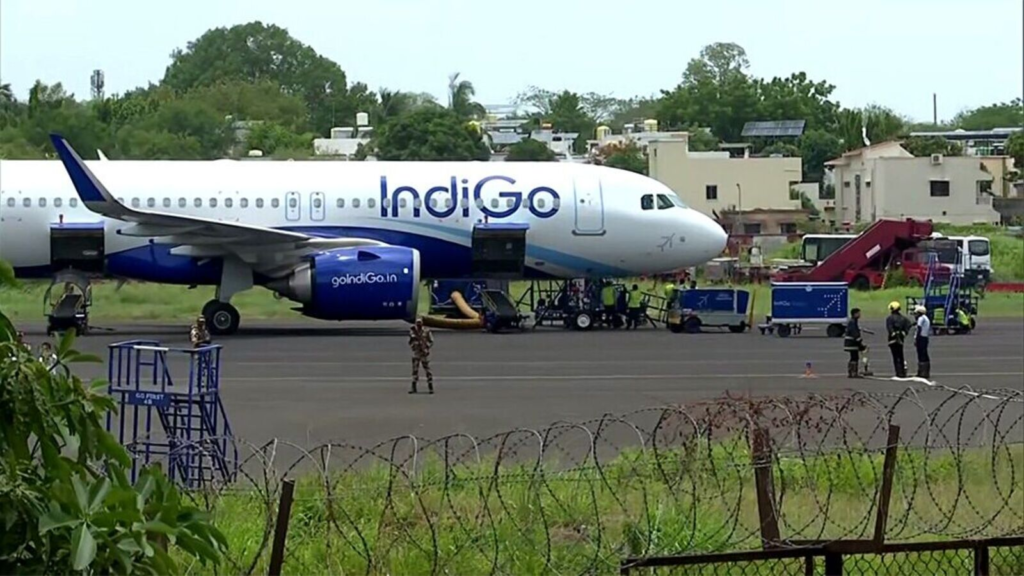
According to preliminary reports, the IndiGo aircraft experienced a sudden engine malfunction while cruising at a standard altitude. Pilots quickly detected the issue through onboard warning systems and followed established emergency procedures.
The decision to divert and land at Delhi’s Indira Gandhi International Airport was made promptly, ensuring minimal risk to passengers. Aviation experts have repeatedly emphasized that modern commercial aircraft are designed to operate safely even with one engine, which likely played a key role in the safe outcome.
Passengers on board described moments of anxiety as the crew announced the technical issue, but many also praised the professionalism and calm demeanor of the flight crew.
The safe landing of the aircraft highlights the efficiency of coordination between the cockpit crew and air traffic controllers. Emergency protocols were activated immediately, and the aircraft was given priority clearance to land.
Fire and rescue teams were placed on standby as a precautionary measure, a standard practice during emergency landings. Fortunately, the aircraft touched down without any complications, avoiding what could have been a much more serious situation.
The Directorate General of Civil Aviation (DGCA) is expected to conduct a detailed investigation into the incident to determine the exact cause of the engine failure.
While the situation was undoubtedly tense, passengers reported that the cabin crew handled the emergency with professionalism. Safety instructions were clearly communicated, and passengers were guided on precautionary measures during the landing.
Many travelers took to social media to share their experiences, with several expressing gratitude for the safe outcome. Some described hearing unusual noises from the engine before the announcement, while others noted the calm but urgent tone of the crew.
Incidents like these serve as a reminder of the importance of following safety instructions during flights, including paying attention to pre-flight briefings and adhering to crew directives.
IndiGo, India’s largest airline by market share, issued a statement confirming the emergency landing. The airline assured passengers that safety remains its top priority and that all necessary protocols were followed.
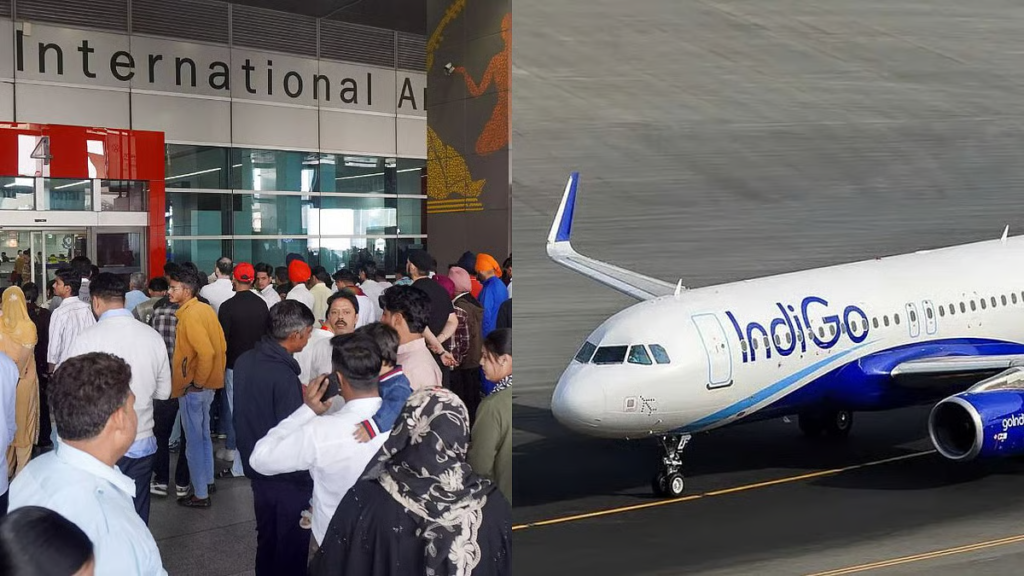
The aircraft involved has been grounded for a thorough technical inspection. Maintenance teams are working to identify the root cause of the engine failure and ensure that similar issues do not occur in the future.
IndiGo also arranged assistance for affected passengers, including rebooking and support services, to minimize inconvenience.
Engine failures, while rare, are not unheard of in aviation. Modern aircraft are equipped with multiple redundancies and advanced systems designed to handle such situations safely.
Commercial planes are certified to fly and land safely even if one engine fails. Pilots undergo rigorous training to manage such emergencies, including simulator sessions that replicate real-life scenarios.
In this case, the quick detection of the issue and adherence to standard operating procedures played a crucial role in ensuring passenger safety.
India’s aviation sector has been expanding rapidly, with increasing passenger traffic and new routes being introduced regularly. This growth has brought greater attention to safety standards and regulatory oversight.
The DGCA continues to monitor airlines and enforce strict safety guidelines. Incidents like the IndiGo emergency landing are thoroughly investigated to identify gaps and improve safety measures.
Experts believe that while such incidents may raise concerns, they also demonstrate the effectiveness of existing safety systems and protocols.
Advancements in aviation technology have significantly improved safety over the years. Modern aircraft are equipped with sophisticated sensors and monitoring systems that can detect issues in real time.
These systems provide pilots with critical information, enabling them to make informed decisions quickly. In the case of the IndiGo flight, early detection of the engine problem likely prevented a more serious situation.
Airlines also use predictive maintenance techniques to identify potential issues before they become critical, further enhancing safety.
The successful handling of the situation underscores the importance of emergency preparedness in aviation. From pilot training to ground support, every aspect of the system is designed to respond effectively to unexpected events.

Regular drills, strict adherence to protocols, and continuous training ensure that aviation professionals are equipped to handle emergencies with confidence.
Passengers, too, play a role in safety by following instructions and remaining calm during such situations.
While the emergency landing ensured safety, it also caused disruptions for passengers. Flights were delayed, and some travelers had to make alternate arrangements.
Airlines typically provide support in such situations, including rebooking and compensation where applicable. IndiGo’s response in assisting passengers reflects industry practices aimed at minimizing inconvenience.
Despite the disruption, most passengers expressed relief that the situation was handled safely.
The focus now shifts to the investigation. Authorities will examine the aircraft’s maintenance records, engine performance data, and other factors to determine what caused the failure.
Findings from the investigation could lead to additional safety measures or recommendations for airlines and manufacturers.
Such investigations are crucial for maintaining high safety standards and preventing future incidents.
Read Also : Breaking 5 Indians Hurt in Abu Dhabi Fire After Missile Interception Amid Middle East War