Mumbai BMC Mayor Elections 2026 Live: Date, Timeline & 5 Surprise Contenders Revealed
Mumbai BMC Mayor Elections 2026 Live: Find out the expected election date, key political developments, and surprise contenders shaping the race for Mumbai’s top civic post
The Mumbai BMC Mayor Elections 2026 are shaping up to be one of the most high-stakes and politically charged civic battles in recent years. As Mumbai prepares to elect its next mayor, political parties, civic leaders, and voters alike are watching closely for official election dates, party strategies, and unexpected contenders who could reshape the city’s political future.
The Brihanmumbai Municipal Corporation (BMC) governs India’s richest civic body, managing a massive annual budget and overseeing infrastructure, healthcare, roads, public services, and urban development in Mumbai. With the mayor’s seat holding significant influence, the 2026 election is expected to be fiercely contested.
This article explores the expected election timeline, political landscape, surprise candidates, party alliances, voter priorities, and what the election could mean for Mumbai’s future.
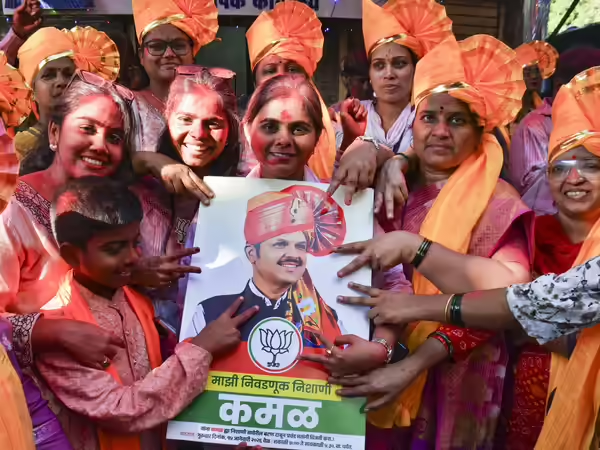
While the State Election Commission has yet to announce the final polling date, political insiders and administrative sources suggest that the BMC Mayor Elections 2026 are likely to take place in early to mid-2026, following the completion of ward delimitation and legal formalities.
The election process typically includes:
- Notification of election schedule
- Nomination filing period
- Campaigning phase
- Voting day
- Vote counting and result declaration
Delays in past civic elections due to legal challenges, ward restructuring, and political disputes have raised questions about the exact timeline, but officials have indicated that the process is now moving toward finalization.
The BMC controls one of the largest municipal budgets in Asia, making the mayoral post politically powerful and strategically important.
Key responsibilities of the BMC and the Mayor include:
- Urban infrastructure and road development
- Public healthcare and hospitals
- Solid waste management
- Water supply and sanitation
- Disaster management and flood control
- Slum redevelopment and housing
- Public transportation coordination
Winning the mayoral seat allows a party to shape Mumbai’s growth trajectory, influence urban policy, and strengthen its broader political standing in Maharashtra.
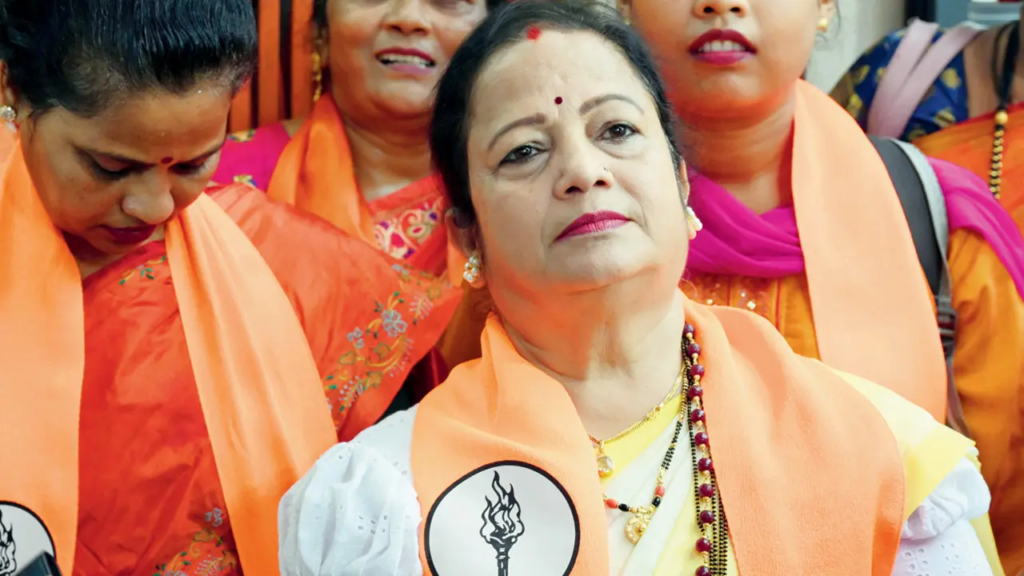
The Mumbai Mayor Election 2026 is expected to see an intense battle among major political players, including:
1. Shiv Sena (UBT and Shinde Factions)
Both factions of Shiv Sena are expected to compete aggressively to prove their dominance in Mumbai, a traditional stronghold of the party.
2. Bharatiya Janata Party (BJP)
The BJP is likely to push for full control of the BMC after emerging as a strong challenger in previous elections.
3. Indian National Congress (INC)
The Congress aims to regain urban political ground, potentially through alliances.
4. Nationalist Congress Party (NCP) Factions
Internal splits may influence seat-sharing strategies and mayoral ambitions.
5. Emerging Regional and Independent Groups
Smaller parties and independent candidates could play kingmaker roles if the results produce a fractured mandate.
One of the biggest talking points ahead of the BMC Mayor Elections 2026 is the rise of surprise contenders—political figures, civic leaders, and social influencers who were not previously considered frontrunners.
Potential Surprise Candidates Include:
- Young first-time corporators gaining traction through grassroots campaigns
- Former bureaucrats or technocrats positioning themselves as governance-focused leaders
- Women leaders with growing public appeal and strong urban policy credentials
- Civic activists and public-interest figures gaining popularity on social media
- Business leaders or urban planners entering politics with development-focused agendas
Political analysts suggest that voter fatigue with traditional leadership may open doors for fresh faces and reformist candidates.
The outcome of the Mumbai mayoral race will depend largely on urban governance issues that directly affect daily life.
1. Infrastructure & Roads
Mumbai residents demand:
- Better road quality
- Reduced potholes
- Faster completion of metro and flyover projects
2. Flooding & Monsoon Preparedness
Annual monsoon flooding remains a major concern. Voters want:
- Improved drainage systems
- Stronger disaster preparedness
- Climate-resilient urban planning
3. Housing & Slum Redevelopment
Affordable housing, redevelopment transparency, and slum rehabilitation will be major campaign topics.
4. Public Transport & Traffic
Traffic congestion and public transport upgrades will dominate voter priorities.
5. Cleanliness & Waste Management
Mumbai’s cleanliness standards, garbage processing, and sustainability efforts will influence public opinion.
6. Corruption & Transparency
Anti-corruption messaging and governance accountability are expected to play a decisive role.
Public opinion surveys and social media sentiment suggest that Mumbai voters want practical solutions over political drama.
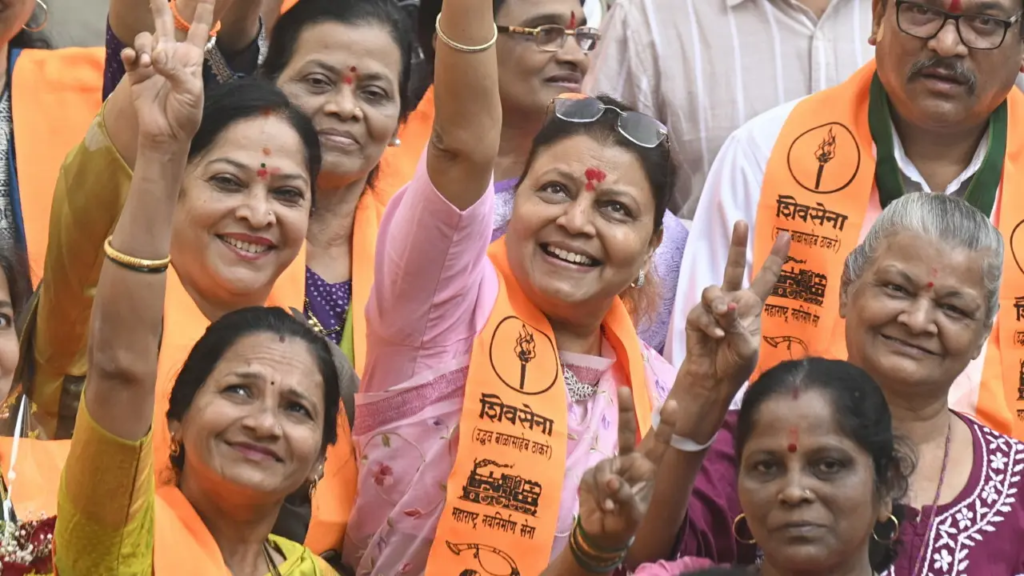
Top Voter Expectations:
- Efficient civic administration
- Transparent spending of public funds
- Faster completion of infrastructure projects
- Safer streets and public spaces
- Job opportunities and business-friendly policies
Young voters in particular are leaning toward performance-driven leadership rather than party loyalty.
Political parties are expected to launch high-intensity campaigns, including:
- Digital and social media outreach
- Ward-level grassroots mobilization
- Data-driven voter targeting
- Public rallies and town hall events
- Manifestos focused on local governance
Parties may also leverage celebrity endorsements, influencer campaigns, and urban development promises to gain voter attention.
The fragmented political landscape in Maharashtra suggests that pre-poll or post-poll alliances could significantly impact the final mayoral outcome.
Potential Scenarios:
- BJP forming alliances with smaller parties
- Shiv Sena factions attempting reunification or strategic tie-ups
- Congress and NCP aligning to counter dominant forces
- Independents holding balance of power in a hung civic house
Political observers predict last-minute surprises, leadership reshuffles, and dramatic alliance announcements.
The 2026 BMC Elections are expected to see strong participation from young voters, many of whom are vocal about:
- Climate action
- Job creation
- Affordable housing
- Digital governance
Women leaders are also expected to play a more prominent role, with parties promoting female mayoral contenders to appeal to urban women voters.
The Mumbai Mayor Elections are not just a civic contest—they carry state-level and national political implications.
A victory in Mumbai could:
- Strengthen a party’s influence in Maharashtra
- Boost morale ahead of state and national elections
- Shape leadership narratives and power equations
- Signal public approval or rejection of ruling parties
Political analysts view the BMC election as a political bellwether for broader electoral trends.
The 2026 election campaign is expected to be heavily influenced by digital platforms.
Candidates are leveraging:
- Instagram reels and YouTube outreach
- X (Twitter) political campaigns
- WhatsApp voter engagement
- AI-powered voter analytics
- Real-time live updates and election dashboards
Social media could play a decisive role in shaping public perception and candidate popularity.
Despite growing political momentum, challenges remain:
- Pending legal cases over ward delimitation
- Administrative delays in finalizing election timelines
- Concerns about campaign funding transparency
- Managing misinformation and political polarization
Ensuring a fair, transparent, and timely election will be critical to maintaining public trust.
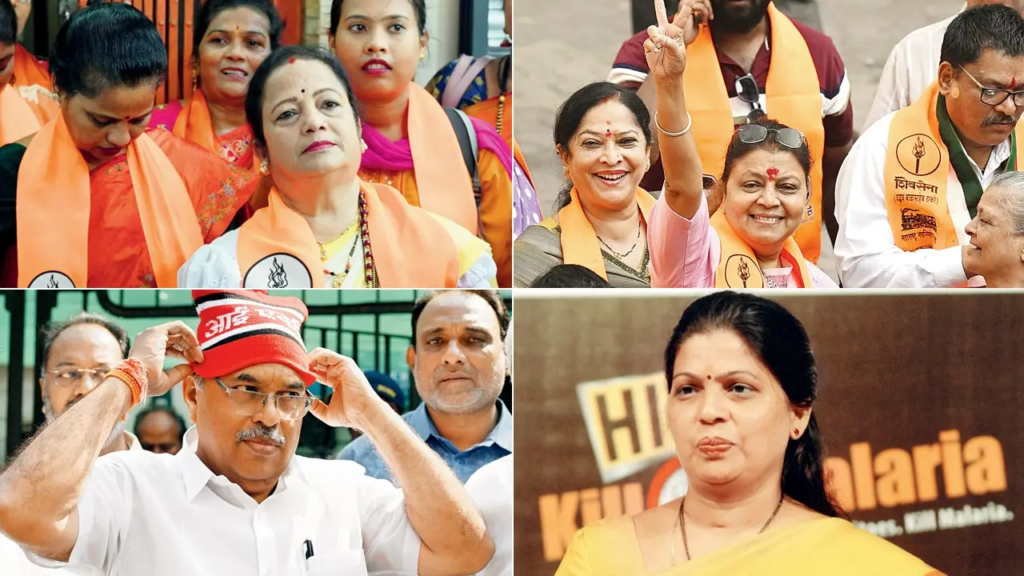
Once the results are declared, the newly elected mayor will face high expectations to deliver immediate improvements in:
- Road repairs
- Drainage upgrades
- Healthcare expansion
- Public safety
- Smart city initiatives
The winning leadership will be judged on performance, speed of reforms, and real-world civic impact.