Mumbai Crackdown: 100% Footpaths Cleared of Illegal Hawkers as BMC Chief Bhushan Gagrani Leads Surprise Dadar Inspection
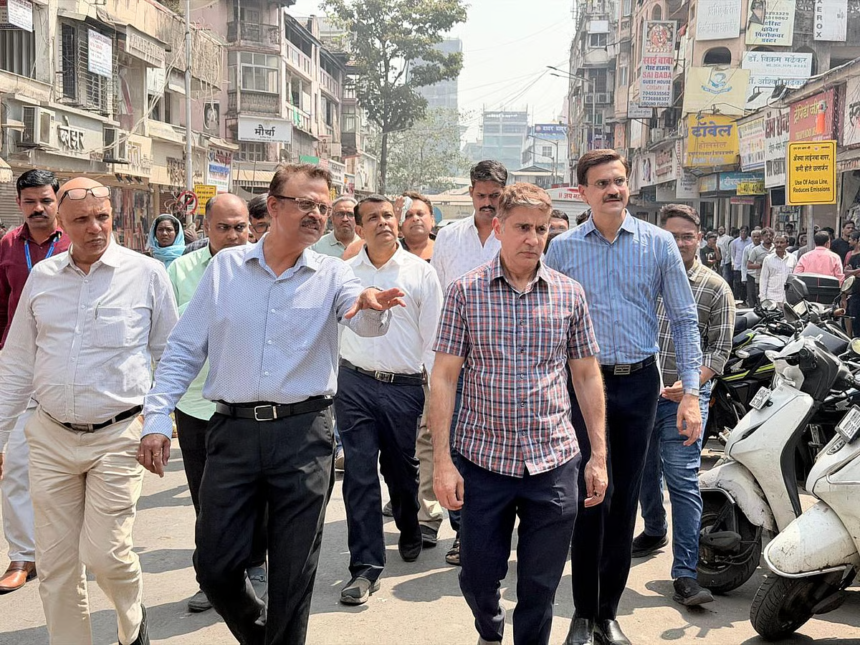
In a major civic crackdown in Mumbai, Brihanmumbai Municipal Corporation chief Bhushan Gagrani conducts a surprise inspection in Dadar, clearing illegal hawkers from footpaths
In a decisive civic action aimed at reclaiming pedestrian spaces, authorities in Mumbai launched a major anti-encroachment drive targeting illegal hawkers occupying footpaths. The operation gained widespread attention after Brihanmumbai Municipal Corporation Commissioner Bhushan Gagrani conducted a surprise inspection in Dadar, one of the city’s busiest commercial and transit hubs.
The unexpected visit underscored the civic body’s renewed push to restore order on Mumbai’s crowded sidewalks, which have long been plagued by illegal encroachments, congestion, and pedestrian safety concerns.
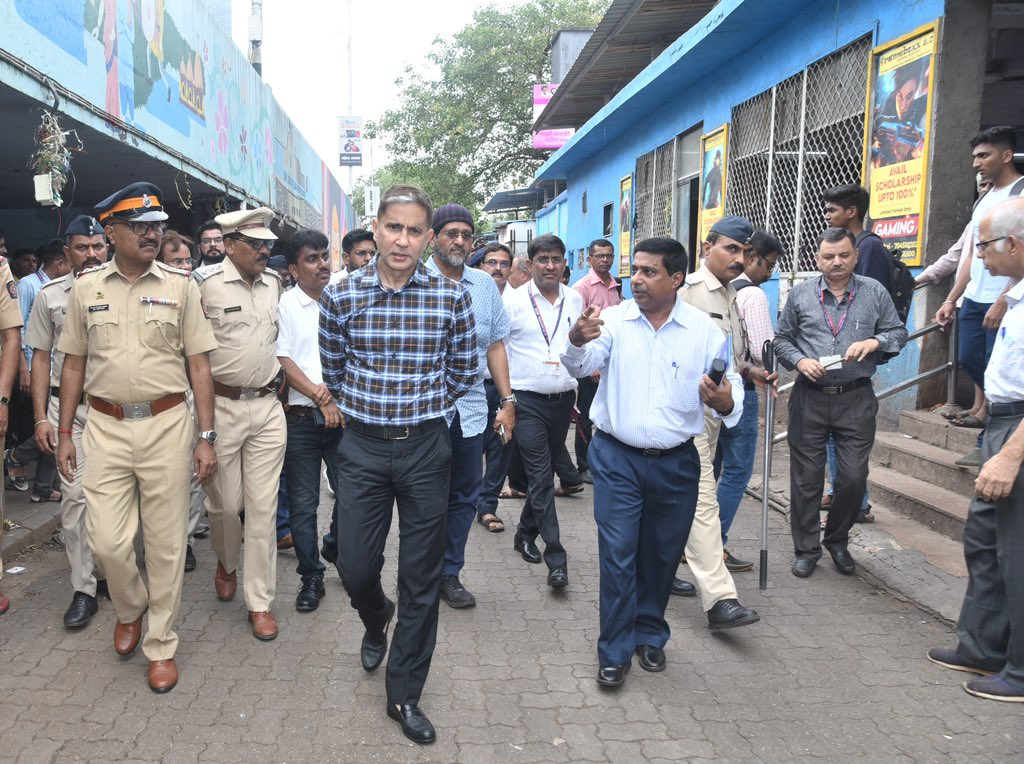
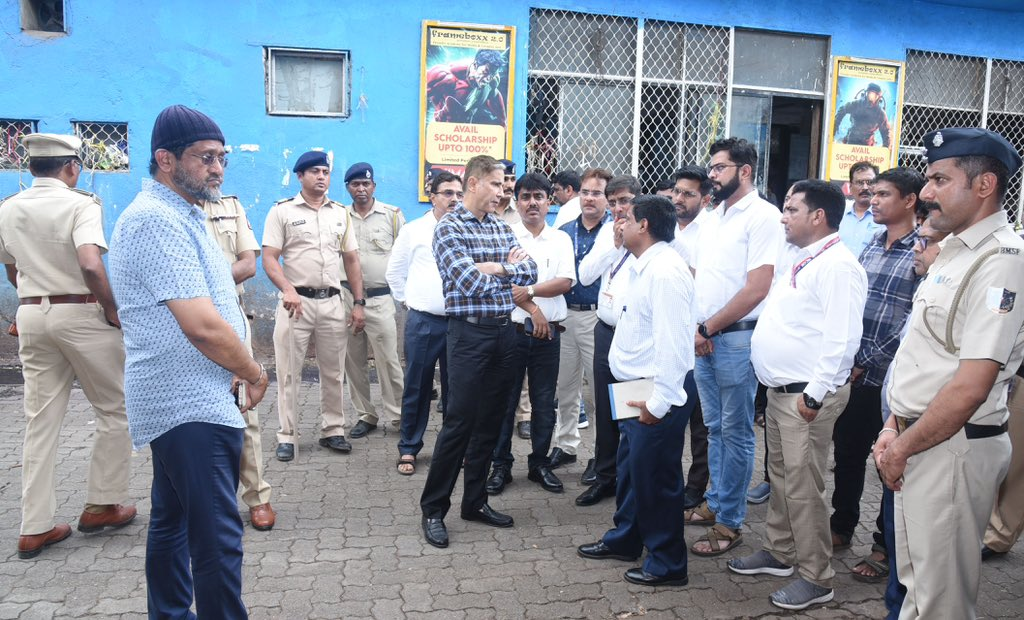
The inspection took many by surprise, including local officials and hawkers operating in the area. According to civic sources, Bhushan Gagrani personally reviewed several footpaths, interacted with ground staff, and assessed the impact of ongoing anti-encroachment drives.
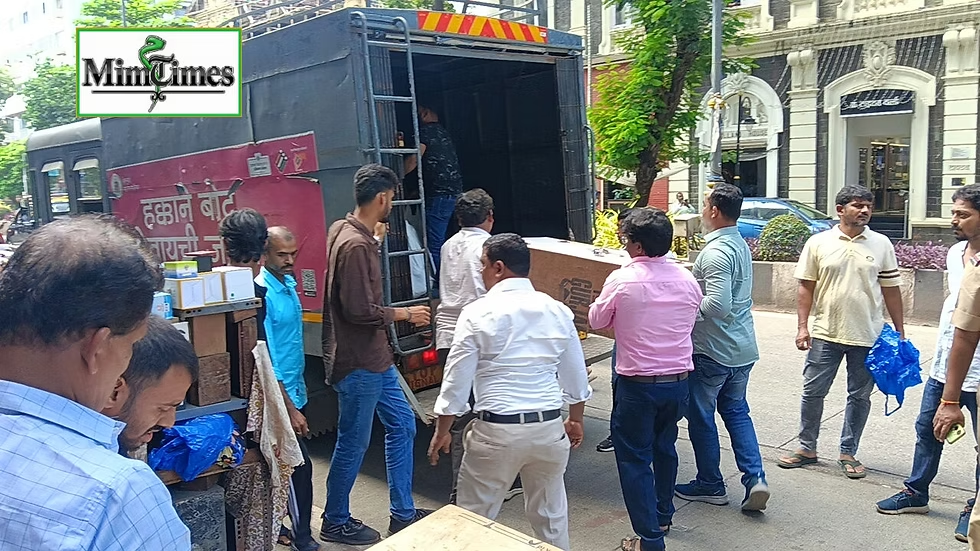
Eyewitnesses reported that civic teams immediately intensified operations during and after the inspection. Hawkers occupying pedestrian walkways were asked to vacate the area, while enforcement teams cleared obstructions to ensure free movement for commuters.
The presence of the BMC chief on-site sent a strong signal that the administration is serious about enforcing civic regulations and ensuring accountability at all levels.
Dadar has long been considered one of Mumbai’s most congested areas, serving as a critical transit junction connecting the city’s western and central railway lines. With thousands of commuters passing through daily, footpath encroachments have been a persistent issue.
Illegal hawkers often set up temporary stalls along sidewalks, forcing pedestrians to spill onto busy roads. This not only increases traffic congestion but also raises serious safety risks, especially during peak hours.
Civic officials said the location was chosen strategically due to:
- Heavy commuter footfall
- Frequent complaints from residents
- Traffic congestion caused by encroachments
- Safety concerns for pedestrians
By targeting such a high-density area, authorities aimed to send a broader message across the city.
The anti-hawker operation was part of a larger initiative to reclaim public spaces and improve pedestrian infrastructure. Civic teams reportedly conducted coordinated action involving multiple departments, including ward officials, enforcement squads, and traffic police support.
During the drive:
- Illegal stalls were removed from sidewalks
- Obstructions were cleared to widen walking space
- Repeat offenders were warned of strict penalties
- Surveillance and monitoring were increased
Officials emphasized that the goal is not only removal but also sustained enforcement to prevent reoccupation of footpaths.
One of the key motivations behind the crackdown is pedestrian safety. For years, Mumbai residents have voiced concerns about shrinking footpaths and unsafe walking conditions.
Encroachments often force pedestrians — including elderly citizens, children, and persons with disabilities — to walk on busy roads. This has led to multiple accidents and near-miss incidents.
Urban planners have repeatedly highlighted the need for pedestrian-first policies in megacities like Mumbai. The latest action is being seen as a step in that direction.
The crackdown has triggered mixed reactions among citizens. Many residents and daily commuters welcomed the move, calling it long overdue.
Social media was flooded with posts praising the civic body for taking strong action. Several users shared before-and-after images of cleared footpaths, calling the transformation “dramatic” and “much needed.”
However, the operation has also sparked debate around the livelihoods of street vendors. Hawkers and vendor unions argue that sudden crackdowns without rehabilitation plans can disrupt incomes and create economic hardship.
Street vending has always been a complex issue in Mumbai. While illegal encroachments create civic challenges, hawkers also form an essential part of the city’s informal economy.
Many vendors depend on daily sales to sustain their families. Critics of strict enforcement argue that authorities must balance civic order with humanitarian considerations.
Experts suggest that long-term solutions should include:
- Designated vending zones
- Proper licensing systems
- Rehabilitation policies for displaced vendors
- Clear urban planning guidelines
Without structural reforms, periodic crackdowns may only offer temporary relief.
Officials indicate that the current drive is part of a broader strategy to make Mumbai more pedestrian-friendly and globally competitive. The civic body has been working on multiple initiatives, including:
- Footpath widening projects
- Beautification of public spaces
- Smart city infrastructure upgrades
- Traffic decongestion measures
The anti-hawker campaign is being framed as a foundational step in achieving these goals.
Authorities have also hinted at increased use of technology, including surveillance cameras and digital monitoring, to prevent repeat encroachments.
Bhushan Gagrani’s surprise inspection is being viewed as a strong administrative signal emphasizing accountability. Surprise visits by senior officials often help ensure that policies are implemented effectively on the ground.
Civic insiders say the inspection was not merely symbolic but part of a new governance style focused on real-time monitoring and rapid execution.
Such visits also help identify gaps between policy and implementation, allowing authorities to course-correct quickly.
Another major benefit of clearing footpaths is improved traffic management. Encroachments often cause spillover effects, narrowing roads and slowing vehicle movement.
Traffic authorities believe that reclaiming pedestrian spaces can indirectly ease congestion by restoring road width and reducing bottlenecks.
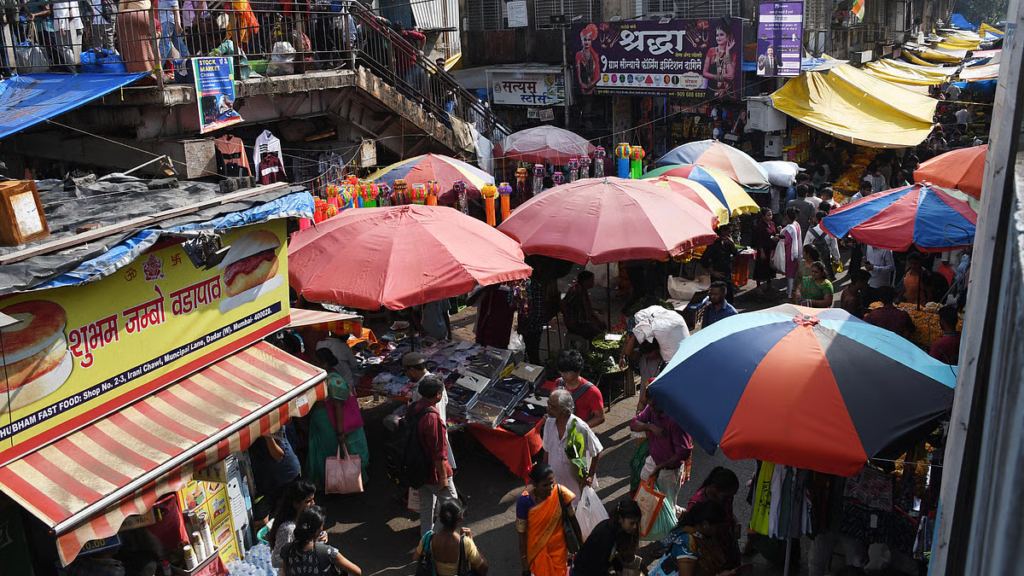
In busy zones like Dadar, even small improvements in pedestrian flow can significantly impact overall traffic conditions.
While the drive has delivered immediate results, sustaining the momentum will be a major challenge. Historically, anti-encroachment campaigns in Mumbai have struggled with recurrence, as hawkers often return once enforcement intensity drops.
Maintaining hawker-free footpaths will require:
- Continuous monitoring
- Strong legal backing
- Community cooperation
- Political will
Officials acknowledge that long-term success depends on consistent enforcement rather than one-time drives.
The issue of hawkers is also shaped by legal complexities. Street vending in India is governed by various laws and court rulings aimed at balancing vendor rights and public convenience.
In Mumbai, implementation of these regulations has often faced delays and disputes. Authorities must navigate legal safeguards while enforcing civic rules, making the issue particularly sensitive.
Experts believe that clearer policy alignment and transparent implementation could reduce conflicts in future operations.
Urban experts say that reclaiming footpaths is essential for transforming Mumbai into a more livable and walkable city. Global cities increasingly prioritize pedestrian infrastructure as a key indicator of urban quality of life.
By ensuring clear sidewalks, cities can promote:
- Healthier lifestyles
- Reduced pollution
- Better accessibility
- Improved public safety
If sustained, initiatives like this could contribute to long-term urban transformation.
Authorities have also called on citizens to support the initiative by avoiding purchases from illegal hawkers and reporting encroachments.
Public cooperation is considered crucial for sustaining results. Without community participation, enforcement agencies may struggle to maintain long-term impact.
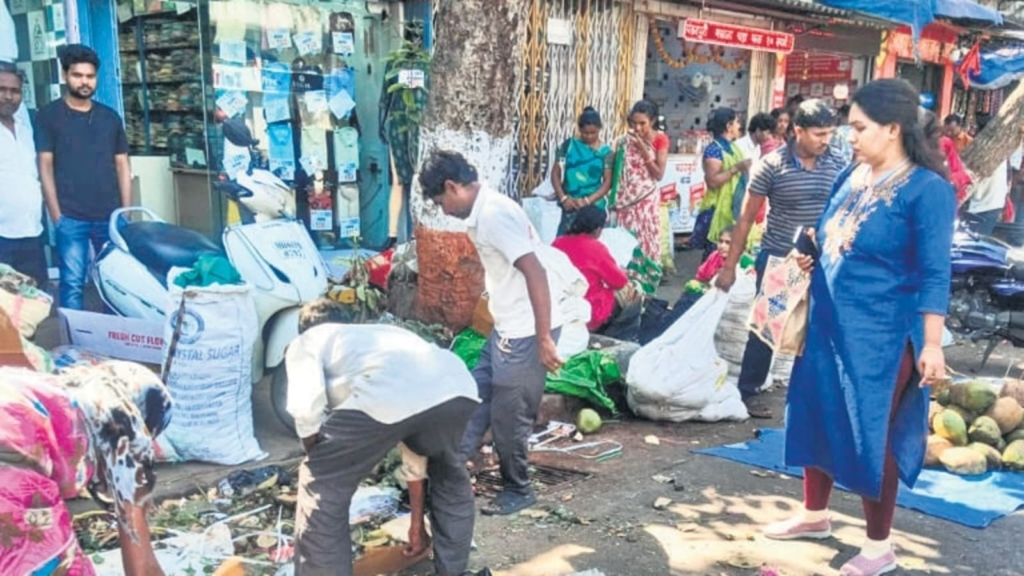
Some resident groups have already pledged support, urging civic bodies to maintain regular inspections and transparent updates.
Following the high-profile inspection, more such surprise visits may be conducted across other parts of the city. Officials have indicated that similar drives could expand to multiple wards known for chronic encroachment issues.
If implemented consistently, the initiative could reshape Mumbai’s pedestrian landscape over time.
However, the success of the campaign will ultimately depend on balancing enforcement with inclusive planning — ensuring that both pedestrians and vendors are accommodated in a fair and sustainable manner.