

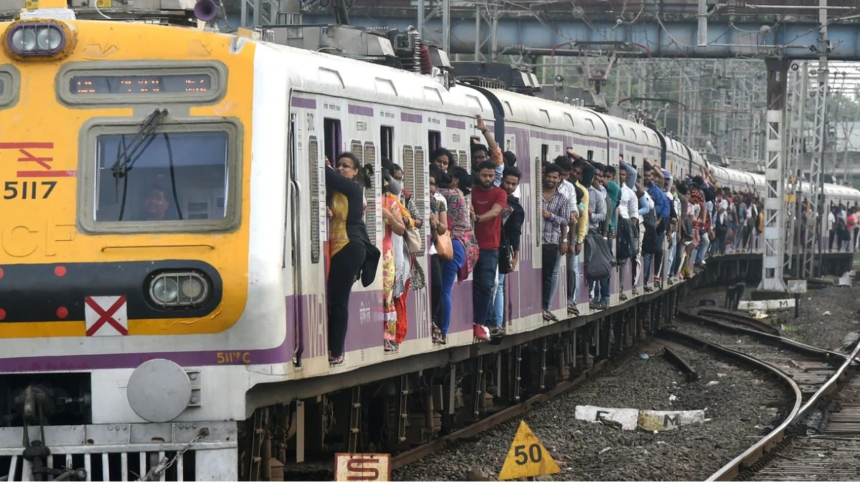
Mumbai Local News: 4 Additional Non-AC Trains to Start From February 1 — 7 Big Benefits for Commuters
Mumbai local news: 4 additional non-AC local trains will begin operations from February 1, easing rush-hour crowding and improving commuter convenience
In a major boost to Mumbai’s public transportation system, Central and Western Railways have announced the introduction of 4 additional Non-AC local trains starting February 1, bringing much-needed relief to millions of daily commuters. The move aims to reduce overcrowding, improve service frequency, enhance travel comfort, and streamline peak-hour operations across some of the busiest suburban railway corridors in India.

Mumbai’s local train network, often referred to as the lifeline of the city, serves more than 7 million passengers every day. With rising population density, expanding suburbs, and increasing ridership, the addition of new train services is being seen as a critical step toward improving urban mobility and commuter convenience.
This article covers routes, benefits, commuter impact, government strategy, railway planning, crowd management, travel tips, and 9 major highlights related to the new train services.
Mumbai’s suburban railway network is one of the busiest and most vital transit systems in the world, connecting major residential, commercial, and business districts across the Western, Central, and Harbour lines.
Every day, lakhs of commuters rely on local trains to travel for:
- Office and work
- Education
- Healthcare
- Business
- Tourism
- Daily errands
Due to growing demand, trains often operate at full capacity, especially during peak hours, leading to crowding, delays, and commuter discomfort. The introduction of 4 new Non-AC local trains is expected to ease pressure and improve travel efficiency.
Railway authorities have confirmed that four new Non-AC local train services will begin operations from February 1, strengthening frequency on high-demand routes.
Objectives of the New Trains
- Reduce peak-hour congestion
- Improve train availability
- Enhance travel convenience
- Support working-class commuters
- Expand affordable transport options
- Improve schedule efficiency
Unlike AC locals, Non-AC trains remain more affordable and accessible, especially for daily wage workers, middle-class commuters, and students.
1. Reduced Overcrowding
Additional trains will distribute passenger load more evenly, lowering extreme crowding during rush hours.
2. Shorter Waiting Time
With increased frequency, commuters will experience reduced waiting times at stations, improving travel efficiency.
3. Better Peak-Hour Management
The new services will help ease morning and evening rush-hour pressure, benefiting office-goers and professionals.

4. Affordable Travel Option
Non-AC trains provide a budget-friendly commuting choice, especially for daily pass holders.
5. Improved Safety & Comfort
Less congestion means safer boarding, better mobility, and reduced risk of accidents.
6. Faster Journey Flow
With smoother passenger distribution, trains can maintain better speed consistency and punctuality.
7. Support for Students & Workers
Students and working professionals will benefit from less crowded compartments and predictable schedules.
8. Boost to Local Economy
Improved transport increases workforce mobility, benefiting local businesses and economic activity.
9. Step Toward Future Railway Expansion
This move signals continued upgrades and modernization in Mumbai’s suburban rail network.
While exact route details may vary, officials suggest the additional trains will likely operate on high-demand corridors such as:
- Churchgate to Virar
- CST to Kalyan
- Dadar to Thane
- Andheri to Borivali
- Harbour Line extensions
These routes serve densely populated suburban zones, where demand remains consistently high.
The new trains are expected to run during peak and semi-peak hours, targeting congestion relief where it is most needed.
Professionals traveling during morning and evening peak hours will experience less crowding and smoother commutes.
Students
College and school students will benefit from less stressful travel conditions, especially during exam seasons.
Senior Citizens
Reduced congestion improves accessibility and safety for elderly passengers.
Women Commuters
Better crowd management enhances comfort and security for women travelers.
Daily Wage Workers
Affordable Non-AC trains continue to offer economic and reliable transportation.
Mumbai faces persistent road congestion, with millions relying on private vehicles and buses. Expanding train services encourages:
- Reduced private vehicle usage
- Lower fuel consumption
- Reduced carbon emissions
- Faster commute times
- Decreased pressure on city roads
Improved rail capacity supports sustainable urban transport and environmental conservation.
The new train addition aligns with broader government goals to:
- Improve public transport infrastructure
- Promote affordable mobility
- Enhance urban transit efficiency
- Support metro and rail integration
- Address rising commuter demand
Railway planners have analyzed passenger flow data to ensure the trains are strategically scheduled for maximum benefit.

Mumbai commuters have welcomed the announcement, calling it a much-needed relief.
Common Public Reactions:
- “Finally some crowd relief”
- “Hope trains stay on time”
- “Non-AC locals are best for daily travel”
- “More trains = better life in Mumbai”
Social media users have praised the decision while urging authorities to continue expanding services.
While the new trains offer relief, Mumbai’s suburban rail system still faces challenges such as:
- Overcrowded stations
- Infrastructure limitations
- Track congestion
- Maintenance needs
- Platform capacity constraints
Experts emphasize that continuous investment, digital signaling upgrades, and expanded track capacity are necessary for long-term improvement.
Railway authorities are also focusing on:
- Improved crowd control systems
- Better platform management
- Upgraded signaling technology
- Enhanced train maintenance
- Passenger awareness campaigns
Safety improvements aim to reduce accidents and improve commuter confidence.
Mumbai Railways has previously introduced:
- New AC local services
- Additional peak-hour locals
- Faster express suburban trains
- Improved digital ticketing systems
The addition of 4 new Non-AC trains represents another incremental but impactful step toward addressing commuter demand.
✔ Check Updated Timetables
✔ Use Mobile Railway Apps
✔ Travel Early During Peak Hours
✔ Follow Platform Safety Rules
✔ Avoid Overcrowded Compartments
✔ Use Monthly or Quarterly Passes
Planning travel smartly can help commuters maximize the benefits of new services.

Railway officials have hinted at further expansions, including:
- More AC and Non-AC locals
- Signal system upgrades
- Metro and suburban rail integration
- Station modernization projects
- Additional suburban rail corridors
Mumbai’s transport future aims to become faster, safer, more comfortable, and more passenger-friendly.
Expanded train services help:
- Boost workforce productivity
- Improve access to jobs
- Reduce travel-related stress
- Promote economic activity
- Enhance urban quality of life
Better mobility contributes to stronger city growth and improved commuter well-being.
Read Also : Kolkata Factory Fire Kills 19 Workers — 9 Shocking Facts as Wow! Momo Faces Safety Backlash

