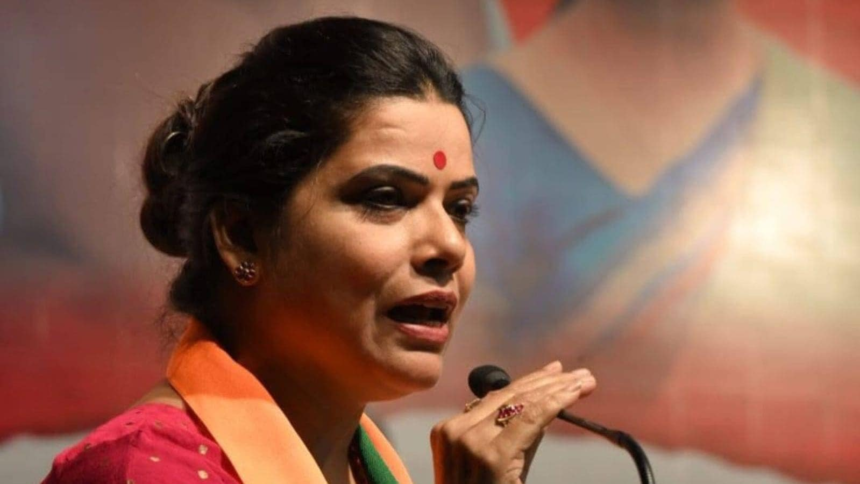
Mumbai Mayor Ritu Tawde Announces Hawking Zones & Footpath Reforms: 10 Big Changes Coming Soon
Mumbai Mayor Ritu Tawde announces new hawking zones and major footpath reforms to reduce congestion
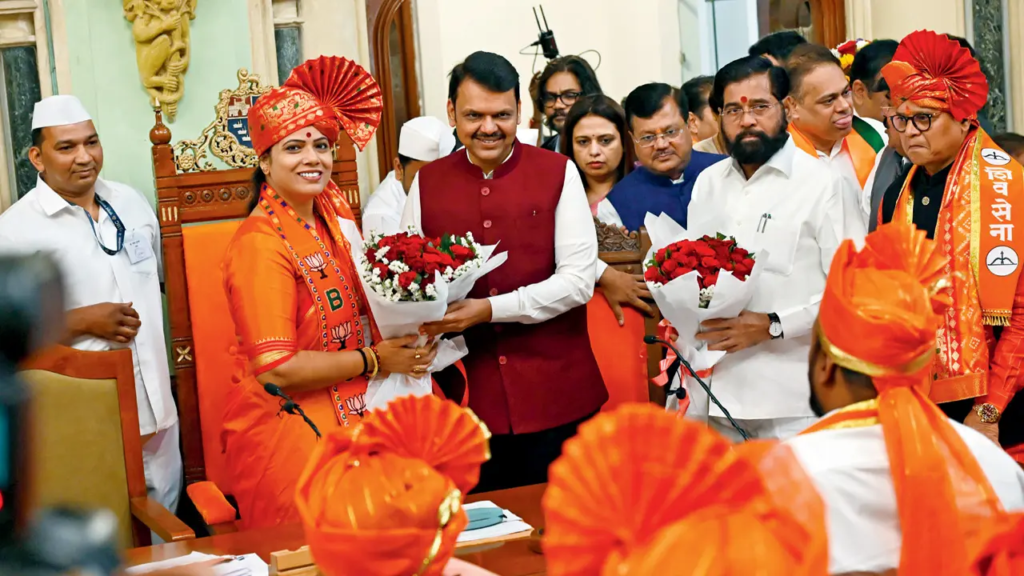
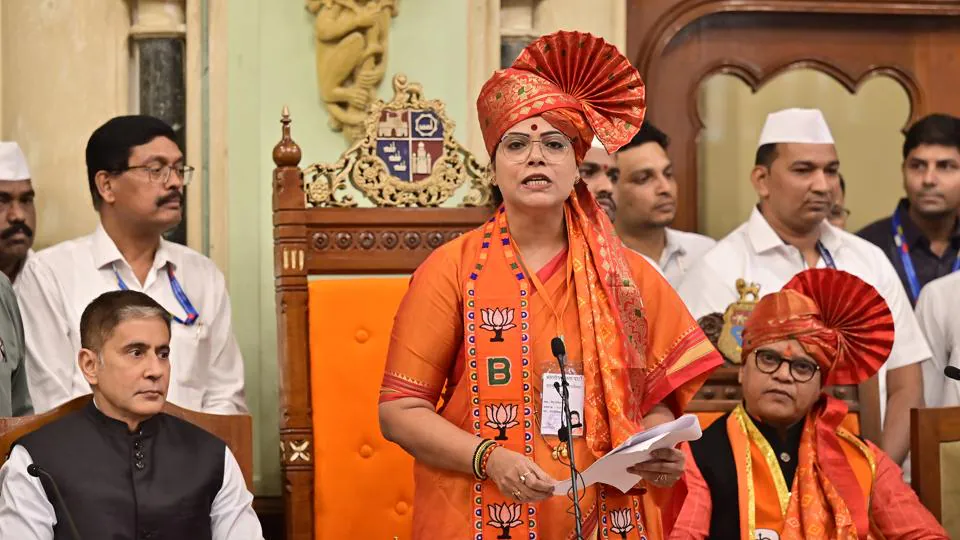
Mumbai, Maharashtra — In a landmark civic announcement aimed at improving urban mobility, pedestrian safety, and livelihood protection, Mumbai Mayor Ritu Tawde has unveiled a comprehensive plan to introduce new hawking zones and implement sweeping footpath reforms across Mumbai. The initiative seeks to strike a balance between supporting street vendors and ensuring unobstructed footpaths for pedestrians, addressing one of the city’s most long-standing urban challenges.
With Mumbai’s population exceeding 2 crore residents and daily commuter traffic reaching millions, the reform package marks a significant turning point in how the city plans to manage public spaces, street commerce, and walkability.
Mumbai’s footpaths and sidewalks have long been affected by illegal encroachments, overcrowded hawker stalls, poor infrastructure, and inconsistent enforcement. While street vendors play a vital role in the city’s informal economy, uncontrolled hawking has often resulted in:
- Blocked pedestrian walkways
- Increased road congestion
- Safety hazards for elderly citizens, women, and children
- Conflicts between hawkers, shop owners, and municipal authorities
- Rising complaints from commuters and residents
Mayor Ritu Tawde emphasized that the goal of the reforms is not to remove livelihoods, but to regulate hawking in an organized and humane manner, ensuring fairness for both vendors and pedestrians.
The mayor’s reform blueprint focuses on structured hawking zones, improved footpath infrastructure, transparent vendor registration, and strict enforcement mechanisms.
- Creation of officially designated hawking and non-hawking zones
- Removal of illegal hawkers from high-traffic footpaths and roads
- Footpath widening and beautification projects in crowded areas
- Introduction of smart vendor ID cards and digital vendor databases
- Deployment of special enforcement teams to prevent new encroachments
- Installation of uniform hawker stalls to improve city aesthetics
- Improved lighting, cleanliness, and safety measures on sidewalks
According to civic officials, these reforms will be implemented in phases across all major wards of Mumbai, starting with high-density zones such as South Mumbai, Dadar, Andheri, Kurla, and Borivali.
One of the most significant aspects of the announcement is the formal recognition and regulation of hawking zones under the Street Vendors (Protection of Livelihood and Regulation of Street Vending) Act.
- Vendors will be allowed to operate only in approved hawking zones
- Sensitive areas such as hospital zones, school zones, and metro station entrances will be declared non-hawking zones
- Hawkers will be required to register with the municipal corporation
- Only verified vendors will receive licenses and designated vending spaces
- Illegal vendors operating outside approved zones may face penalties or eviction
Mayor Tawde stated that hawkers who follow the rules will be protected, while repeat offenders encroaching on public footpaths will face strict action.
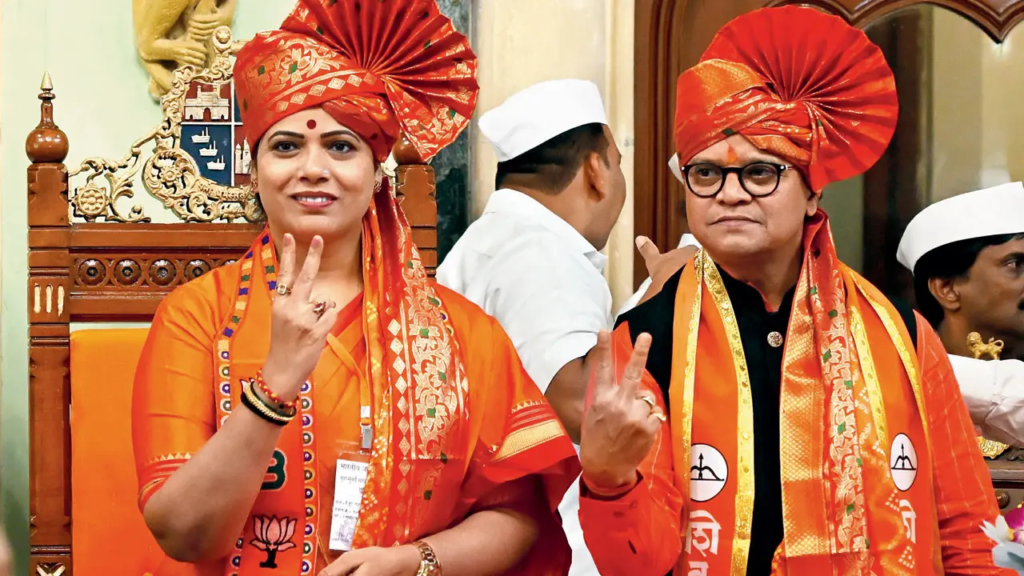
The second pillar of the reform plan focuses on footpath redevelopment, with the goal of making Mumbai safer, more accessible, and pedestrian-friendly.
- Widening narrow footpaths in congested areas
- Repairing broken pavements and removing dangerous obstructions
- Installing anti-skid tiles, ramps, and tactile paving for elderly and disabled citizens
- Ensuring free movement for wheelchairs and strollers
- Better drainage systems to prevent waterlogging during monsoons
- Improved street lighting and CCTV surveillance for public safety
- Beautification efforts such as green patches, benches, and public art
Urban planners believe these changes could significantly reduce pedestrian accidents and improve daily commuting experiences.
Mayor Ritu Tawde clarified that the reforms are not anti-hawker, but rather pro-hawker with discipline and dignity.
To support street vendors:
- Legitimate vendors will receive legal protection from harassment
- Vendors in affected areas may be offered relocation to organized hawking zones
- Skill training and financial literacy programs may be introduced
- Special consideration will be given to women vendors and economically vulnerable hawkers
- Vendor committees will be formed to resolve disputes and maintain order
“We want to ensure that hawkers earn with dignity while keeping Mumbai’s footpaths safe for pedestrians,” Tawde said during her address.
The Brihanmumbai Municipal Corporation (BMC) will play a central role in implementing the reforms.
- Formation of dedicated anti-encroachment squads
- Use of CCTV cameras and drones to monitor high-risk areas
- Launch of a public complaint portal for reporting illegal hawking
- Regular inspection drives and surprise checks
- Coordination with Mumbai Police to maintain law and order
Officials noted that enforcement will be firm but fair, ensuring that actions are not arbitrary or politically influenced.
The announcement has received mixed reactions across Mumbai.
- Commuters welcomed plans for cleaner and safer footpaths
- Senior citizens and parents praised efforts to reduce walking hazards
- Urban activists applauded the structured approach to street vending
- Fear of losing livelihood or vending space
- Demand for clear transparency in zone allocation
- Calls for fair treatment and consultation before eviction
Mayor Tawde assured stakeholders that hawker unions, resident groups, and traders will be consulted throughout the implementation process.
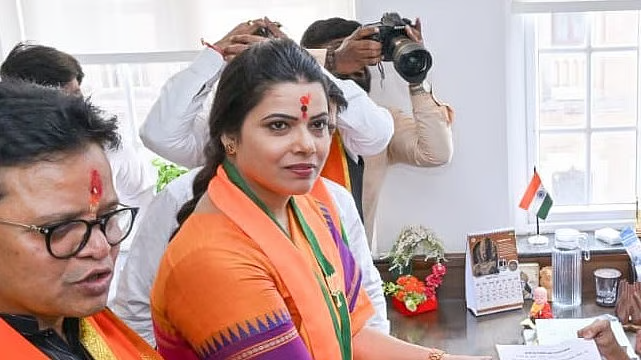
This reform initiative comes at a time when Mumbai is facing growing pressure to modernize infrastructure, manage overcrowding, and improve urban quality of life.
Political analysts view the move as:
- A bold governance step to address a long-standing civic issue
- A high-risk but high-reward policy affecting millions of livelihoods
- A potential model for other Indian metro cities like Delhi, Bengaluru, and Chennai
The success or failure of the policy could influence future urban planning decisions across India.
If implemented effectively, the hawking and footpath reforms could:
- Improve tourism and city aesthetics
- Reduce road congestion caused by spillover vending
- Boost organized retail and small business regulation
- Enhance real estate value in commercial zones
- Increase public trust in civic governance
Experts believe that structured vending zones can formalize the informal economy, benefiting both vendors and the city.
Despite the ambitious vision, the initiative faces multiple challenges:
- Resistance from hawker unions and political groups
- Ensuring transparent vendor registration without corruption
- Preventing re-encroachment after eviction drives
- Managing implementation across Mumbai’s vast urban sprawl
- Maintaining consistent enforcement without bias
Mayor Tawde acknowledged these concerns but reaffirmed her commitment to long-term reform rather than short-term political gains.
In the coming months, Mumbai residents can expect:
- Official notification of approved hawking zones
- Launch of vendor registration drives
- Rollout of pilot footpath redevelopment projects
- Regular progress reports from the BMC
- Feedback sessions with citizens, vendors, and civil society groups
The city administration plans to review progress quarterly and adjust policies based on real-world results.
Read Also : Shivam Mishra Arrested in Kanpur Luxury Car Crash Case: 5 Shocking Details Revealed