Mumbai Monorail Gets 2 New Trains: Major Boost to City’s 20,000+ Daily Commuters
Mumbai Monorail services set for a big upgrade as 2 new trains join the fleet, easing congestion and benefiting over 20,000 daily commuters with faster and smoother travel
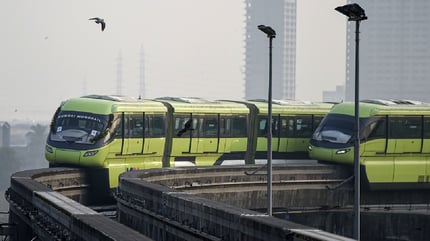
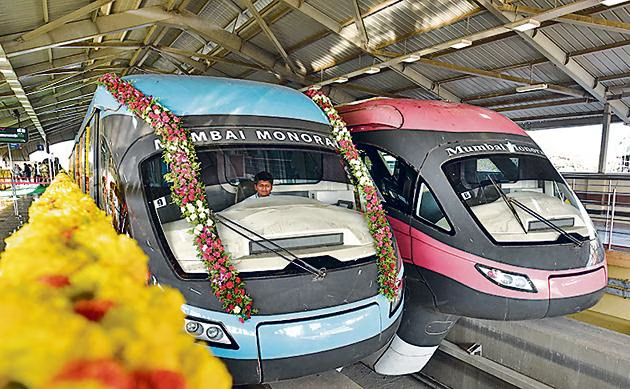
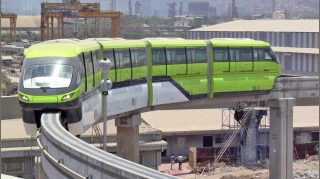
The Mumbai Monorail, India’s first and only monorail project, is finally set to see a much-needed revival as two new trains are ready to be deployed into service. This development marks a crucial step toward strengthening the city’s urban transport network and easing the daily travel struggles of over 20,000 commuters who depend on the monorail for connectivity.
For a city like Mumbai, which is often described as the financial capital of India, reliable and efficient public transport is the backbone of daily life. With crowded local trains, congested roads, and an ever-growing population, the introduction of additional monorail trains is expected to not only reduce waiting times but also improve the overall commuter experience.
The Mumbai Monorail project, launched in 2014, was envisioned as a futuristic transport solution that would supplement the city’s existing suburban rail and bus systems. Spanning 19.5 km between Chembur and Jacob Circle, the project aimed to reduce traffic congestion and provide an eco-friendly travel option.
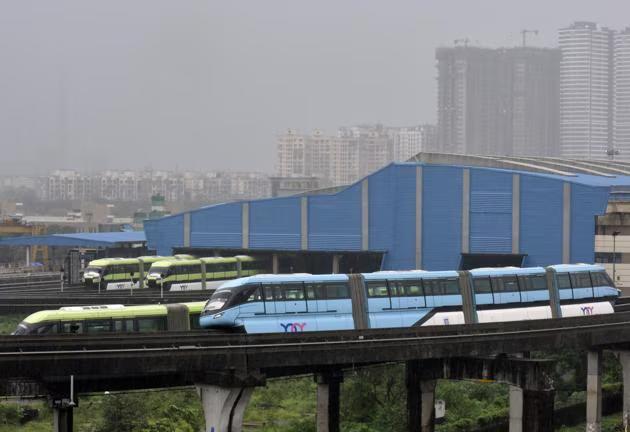
However, despite its promise, the monorail faced several challenges, including:
Frequent breakdowns due to technical issues
Shortage of functioning rakes
Safety concerns after a series of disruptions
Lower-than-expected ridership due to operational gaps
With only a limited number of trains running on the line, commuters often complained of long waiting times and unreliable service. But the induction of two brand-new trains is expected to change this narrative.
The addition of new trains to the fleet brings with it several advantages for daily commuters and the city at large:
Currently, monorail commuters often face waiting times of 20–25 minutes between trains. With the two new trains, the frequency of services is expected to improve, bringing down the wait time significantly.
With improved frequency and reliability, more commuters are likely to shift to the monorail, increasing the ridership beyond the current 20,000+ daily passengers.
The monorail provides vital last-mile connectivity to several parts of central Mumbai, linking areas that are not fully covered by suburban rail. With more trains in service, areas such as Wadala, Dadar (via connectivity), and Chembur will see smoother travel options.
Mumbai is infamous for its traffic jams. By offering a faster and congestion-free alternative, the monorail can encourage more people to shift from private vehicles to public transport, indirectly reducing road congestion and pollution.
The new trains are expected to be equipped with updated safety features and improved technology, making the service more dependable for daily travelers.
Transport upgrades are not just about mobility—they also drive economic growth and social development. For daily wage earners, office-goers, and students, the introduction of two new monorail trains means saving time and money on travel.
Local Businesses Benefit: Areas around monorail stations will see increased footfall, boosting small shops, food stalls, and local markets.
Job Creation: Maintenance, operation, and ancillary services linked to the new trains will generate employment opportunities.
Reduced Carbon Footprint: By promoting public transport, Mumbai will take another step towards its sustainable and eco-friendly mobility goals.
While the addition of new trains is a positive step, Mumbai Monorail continues to face several hurdles:
Financial Sustainability: The project has struggled with low revenue generation compared to its high maintenance costs.
Competition from Metro: With multiple Metro lines opening across Mumbai, the monorail must establish its relevance in the city’s transport ecosystem.
Public Trust: Years of inconsistent service have reduced public confidence. It will take consistent improvements to win back commuters.
The Mumbai Metropolitan Region Development Authority (MMRDA), which operates the monorail, has emphasized that these new trains are just part of a broader plan to enhance the service. The government envisions:
Increasing the number of operational trains in the coming years.
Integrating the monorail more effectively with Mumbai Metro and suburban trains.
Introducing digital ticketing and smart passes for seamless travel.
Ensuring round-the-clock maintenance to avoid unexpected disruptions.
If these plans are implemented effectively, the monorail could emerge as a strong backbone of Mumbai’s multi-modal transport network.
The news of two new trains joining the fleet has already sparked positive reactions from commuters. Many daily travelers believe this will finally make the monorail a reliable option rather than a “last resort.”
“I used to avoid the monorail because of long waiting times, but if new trains reduce delays, I’ll start using it again,” says Ramesh Mehta, a Chembur-based commuter.
“The monorail is cleaner and less crowded compared to locals, but frequency was the main problem. Now I am hopeful,” adds college student Priya Sharma from Wadala.
The induction of two new trains is undoubtedly a milestone moment for Mumbai’s monorail project. It signals renewed commitment to improving the city’s transport infrastructure and easing the burden of overcrowded buses and trains.
If backed by consistent investment, technological upgrades, and efficient operations, the monorail has the potential to become a game-changer for intra-city travel in Mumbai. The focus now must be on ensuring regular maintenance, safety, and integration with other transport modes to make the service sustainable in the long run.
The arrival of two new monorail trains marks a turning point for Mumbai’s much-debated project. For the city’s 20,000+ daily commuters, this means shorter wait times, improved reliability, and smoother journeys across central Mumbai. While challenges remain, this move demonstrates that Mumbai is determined to push forward in building a world-class transport system that matches its status as a global financial hub.
With the right execution, the Mumbai Monorail could finally move closer to achieving its original vision of modern, efficient, and eco-friendly travel for millions of Mumbaikars.
Read Also : Trump’s 25% Tariff Hike Hits India Hard: $120 Billion Trade Relationship With US Faces Major Setback