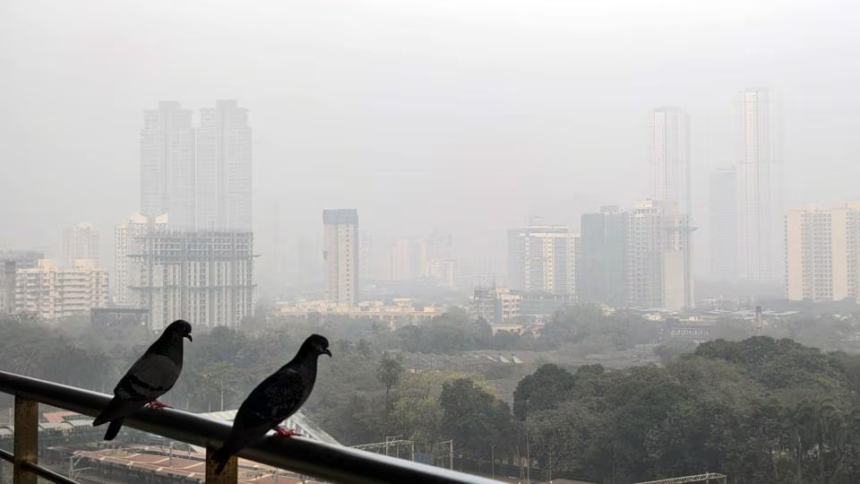
Mumbai Pollution SHOCK: Sion AQI Hits ‘Very Poor’ Zone — Levels Cross 300 Mark
Mumbai Air Quality Update: Sion records ‘very poor’ AQI levels, crossing dangerous limits
Mumbai, the financial capital of India, is once again grappling with a serious environmental concern as air pollution levels rise sharply across the city. The latest air quality update has placed Sion among the worst-affected areas, with the Air Quality Index (AQI) falling into the ‘very poor’ category, raising alarms among residents, health experts, and authorities.
This sudden spike in pollution has reignited concerns about urban air quality management, public health risks, and the long-term environmental sustainability of one of India’s most densely populated cities.
An AQI reading categorized as “very poor” typically ranges between 301 and 400, indicating that the air quality is severely compromised. At this level, prolonged exposure can lead to respiratory illnesses and significantly impact individuals with pre-existing health conditions.
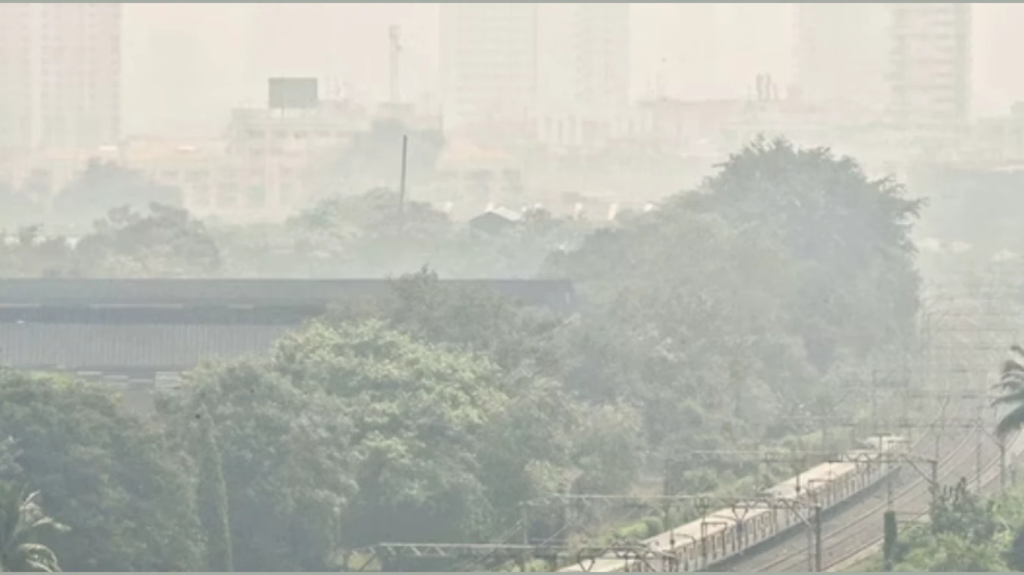
In Sion, AQI levels have reportedly crossed the 300 mark, placing it in a danger zone where even healthy individuals may experience discomfort such as coughing, throat irritation, and breathing difficulties.
The classification serves as a warning signal that immediate precautions are necessary, especially for vulnerable groups such as children, the elderly, and those with asthma or heart conditions.
Sion’s worsening air quality can be attributed to a combination of factors:
- Heavy Traffic Congestion: As a major junction connecting key parts of Mumbai, Sion experiences constant vehicular movement, leading to high emissions.
- Construction Activities: Ongoing infrastructure and real estate projects release dust and particulate matter into the air.
- Industrial Emissions: Nearby industrial zones contribute to the overall pollution load.
- Weather Conditions: Low wind speeds and high humidity can trap pollutants close to the ground, worsening air quality.
These factors, combined with seasonal changes, create a perfect storm for pollution buildup.
The rise in pollution levels has direct and immediate consequences on public health. Medical professionals in Mumbai have reported an increase in patients complaining of respiratory issues, allergies, and eye irritation.
Exposure to high AQI levels can lead to:
- Shortness of breath
- Worsening of asthma symptoms
- Increased risk of lung infections
- Cardiovascular stress
Long-term exposure can even result in chronic respiratory diseases and reduced lung function.
Health experts advise residents to limit outdoor activities, especially during peak pollution hours, and to use protective measures such as masks and air purifiers.
While Sion has emerged as a hotspot, other parts of Mumbai are also witnessing deteriorating air quality. Several monitoring stations across the city have reported AQI levels ranging from “moderate” to “poor,” indicating a broader environmental issue.
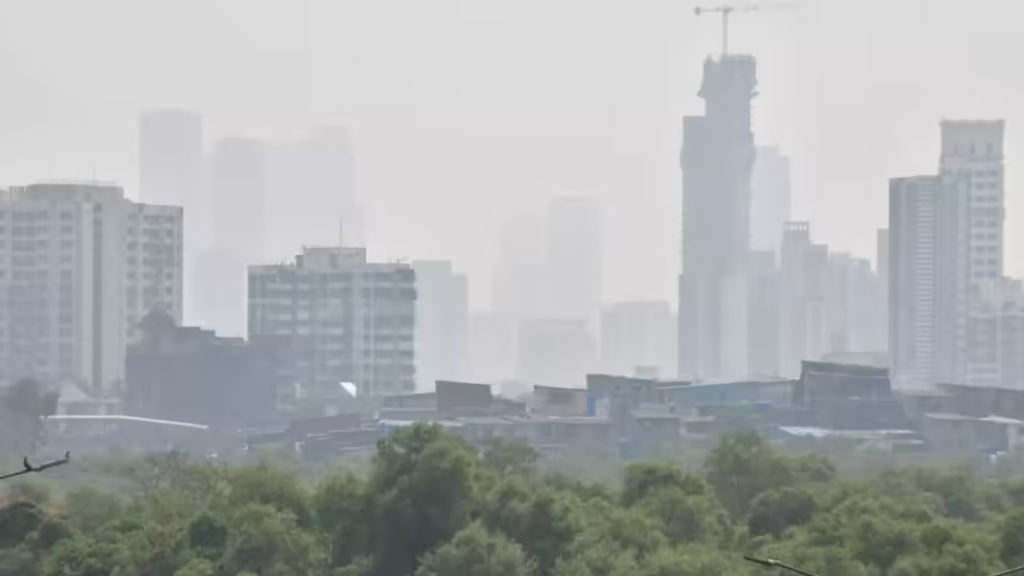
The situation highlights the need for a comprehensive and coordinated response to tackle air pollution at the city level.
Authorities have acknowledged the worsening air quality and are taking steps to address the issue. The Brihanmumbai Municipal Corporation (BMC) has intensified monitoring of construction sites and is enforcing stricter guidelines to control dust emissions.
Key measures include:
- Mandatory covering of construction sites
- Sprinkling of water to reduce dust
- Monitoring vehicular emissions
- Encouraging the use of public transport
In addition, awareness campaigns are being conducted to educate citizens about pollution control and preventive measures.
Meteorological conditions play a crucial role in determining air quality. During certain periods, such as winter months or times of low wind activity, pollutants tend to accumulate rather than disperse.
In Mumbai, coastal weather patterns usually help in dispersing pollutants. However, temporary changes in wind direction or speed can lead to a sudden ухудшение in air quality, as seen in Sion.
While government action is essential, individual efforts can also make a difference. Residents are advised to:
- Avoid outdoor exercise during high pollution periods
- Use masks, especially N95 or equivalent
- Keep windows closed during peak pollution hours
- Use indoor air purifiers
- Opt for public transport or carpooling
- Avoid burning waste or firecrackers
Small lifestyle changes can collectively contribute to reducing pollution levels.
The recurring issue of air pollution in Mumbai calls for long-term and sustainable solutions. Experts suggest the following strategies:
- Promotion of Electric Vehicles (EVs): Reducing dependence on fossil fuels
- Improved Public Transport: Expanding metro and bus networks
- Green Infrastructure: Increasing green cover and urban forests
- Strict Regulations: Enforcing emission norms for industries and vehicles
- Urban Planning: Designing cities to minimize congestion and pollution
Implementing these measures will require coordinated efforts from the government, private sector, and citizens.
Mumbai’s air quality crisis is not an isolated case. Several Indian cities, including Delhi, Kolkata, and Bengaluru, face similar challenges. Rapid urbanization, population growth, and industrial activity have contributed to rising pollution levels across the country.
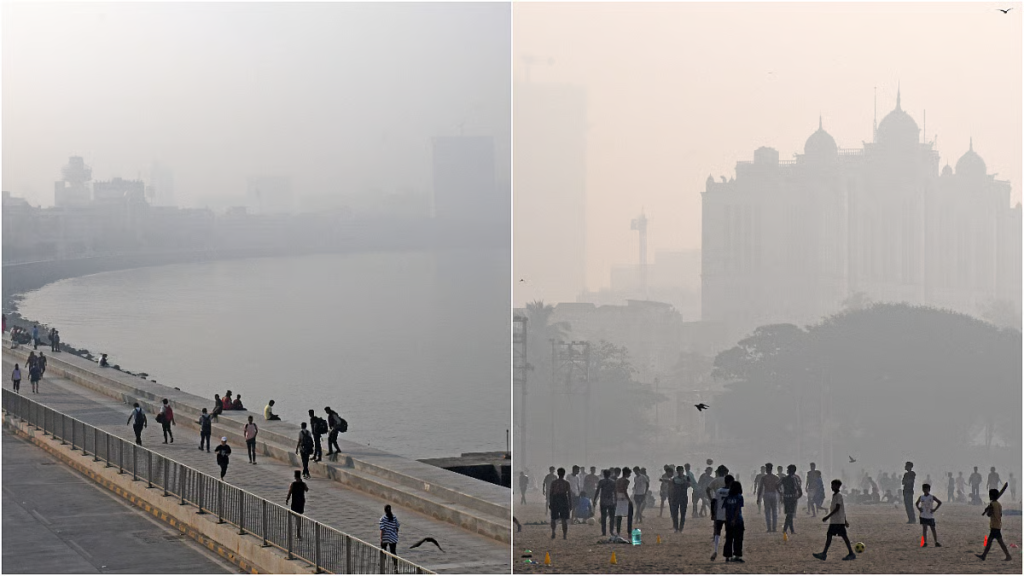
Addressing this issue requires a national-level strategy that prioritizes environmental sustainability alongside economic growth.
One of the key factors in tackling air pollution is public awareness. Citizens must understand the impact of their actions on the environment and take responsibility for reducing their carbon footprint.
Simple actions such as reducing vehicle usage, conserving energy, and supporting eco-friendly initiatives can go a long way in improving air quality.