Mumbai Shock: 23 Empty LPG Cylinders Seized in Deonar — Gas Delivery Worker Booked in Explosive Illegal Storage Case
Mumbai police book a gas delivery worker after recovering 23 empty LPG cylinders in Deonar
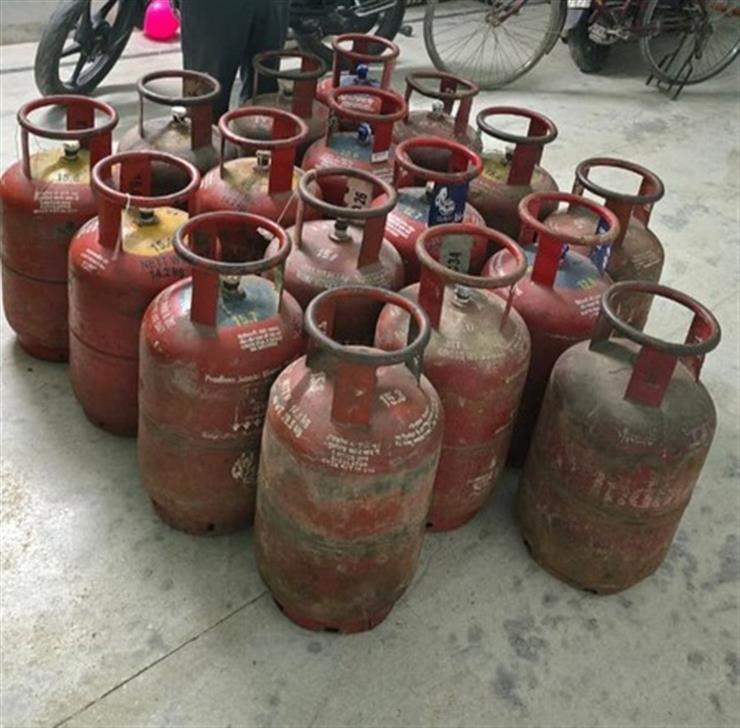
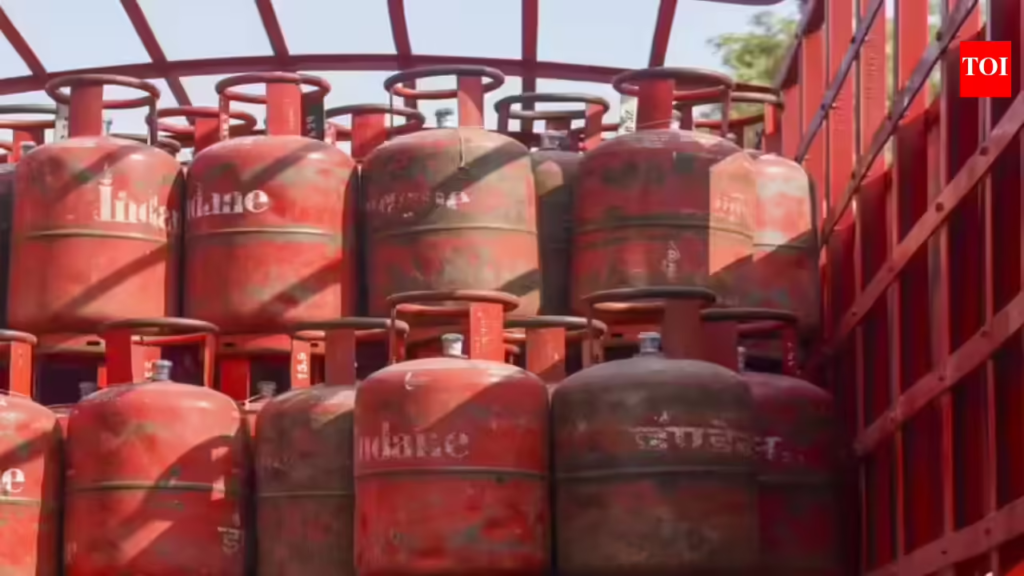
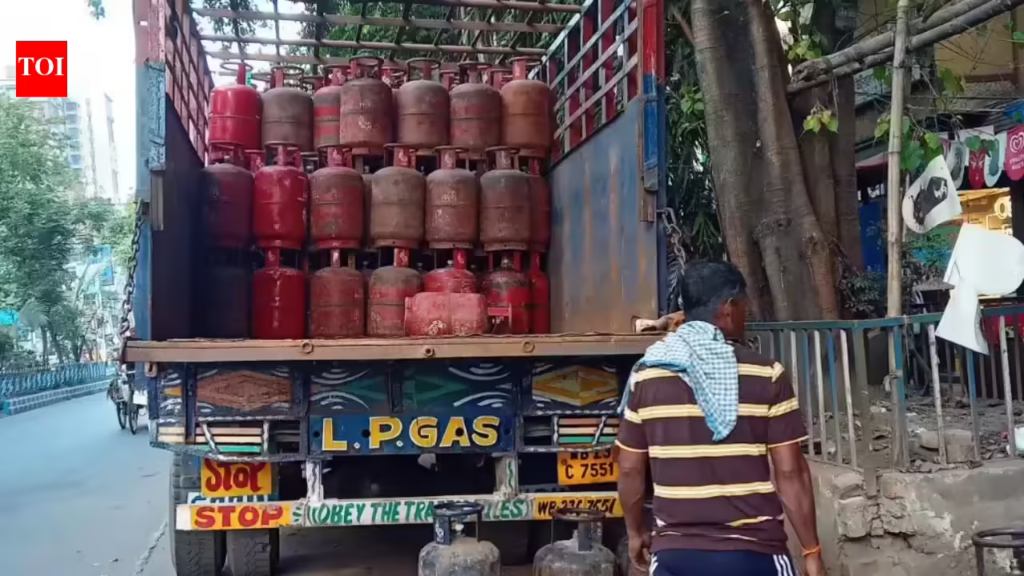
In a development that has raised serious concerns about public safety and illegal storage of hazardous materials, Mumbai Police have booked a gas delivery worker after recovering 23 empty LPG cylinders in Deonar, a densely populated area in the eastern suburbs of the city. The incident has sparked alarm among residents and authorities alike, highlighting the risks associated with unauthorized handling and storage of liquefied petroleum gas (LPG) cylinders.
The seizure was carried out during a routine police operation that quickly turned into a major safety case, exposing potential lapses in monitoring the distribution and storage of LPG cylinders. While the cylinders were reportedly empty, officials emphasized that even empty cylinders pose a risk due to residual gas and improper storage conditions.
According to police sources, officers were on patrol in the Deonar area when they noticed suspicious activity linked to a gas delivery worker. Upon further investigation, the police discovered a stash of 23 empty LPG cylinders stored in an unauthorized location.
The cylinders were reportedly kept in a confined space, raising immediate concerns about safety hazards, especially in a crowded locality like Deonar. The police acted swiftly, seizing all the cylinders and detaining the individual responsible.
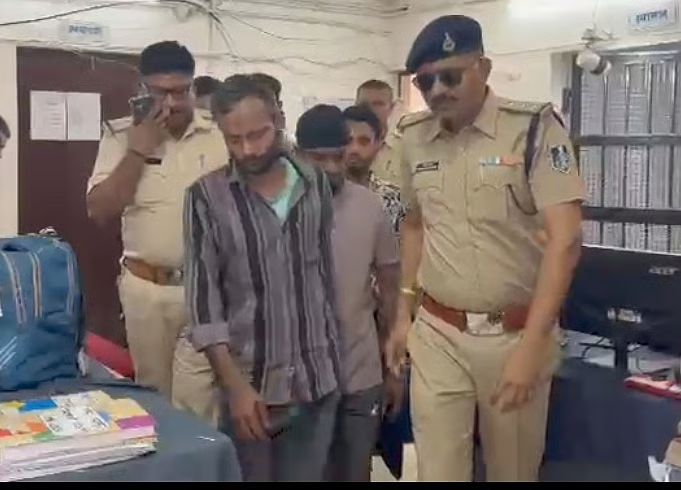
Authorities stated that the worker was unable to provide valid documentation or justification for possessing such a large number of cylinders outside official distribution channels. This led to his immediate booking under relevant sections of the law.
Following the recovery, Mumbai Police registered a case against the gas delivery worker. He has been booked under provisions related to:
- Illegal storage of hazardous materials
- Violation of public safety norms
- Breach of LPG distribution and handling regulations
Officials are now investigating whether the worker was acting alone or as part of a larger network involved in illegal cylinder storage or diversion.
The case has been handed over to the concerned authorities for further investigation, and the accused is expected to face strict legal consequences if found guilty.
Many people assume that empty LPG cylinders are harmless. However, experts warn that empty cylinders still contain traces of highly flammable gas, making them potentially dangerous if not handled properly.
Improper storage can lead to:
- Gas leakage
- Fire hazards
- Explosions in extreme cases
In densely populated areas like Deonar, such risks are magnified due to the close proximity of residential buildings, shops, and public spaces.
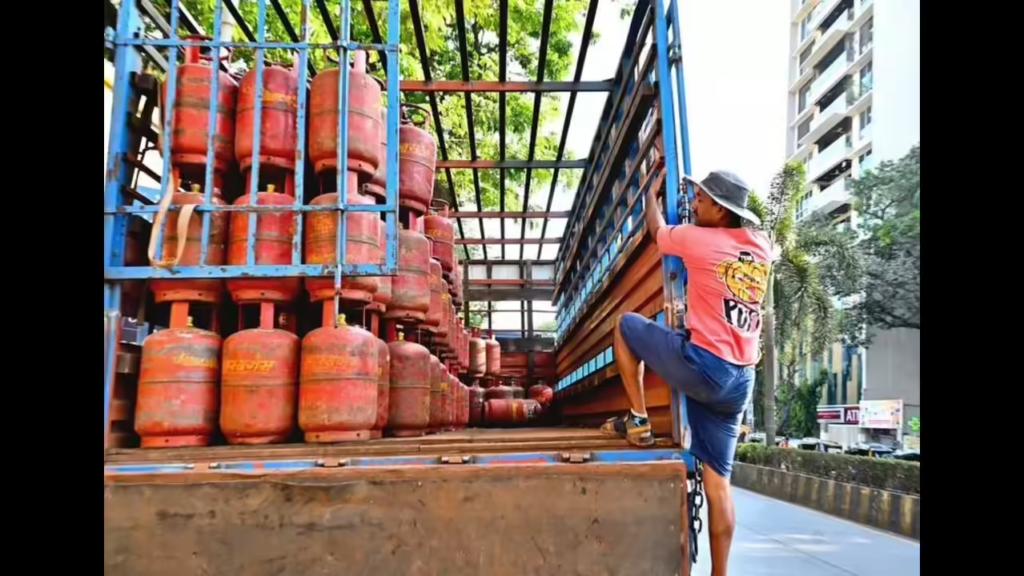
Fire safety officials have reiterated that LPG cylinders—whether full or empty—must be stored in well-ventilated areas and handled only by authorized personnel.
The incident has caused widespread concern among local residents, who fear that such illegal activities could lead to catastrophic consequences.
Residents of Deonar have raised questions about:
- How such a large number of cylinders went unnoticed
- Whether similar illegal storage activities are happening elsewhere
- The effectiveness of monitoring systems for LPG distribution
Many have called for stricter enforcement and regular inspections to prevent such incidents in the future.
Police officials suspect that the case may not be an isolated incident. The recovery of 23 cylinders suggests the possibility of a larger network involved in:
- Hoarding LPG cylinders
- Diverting cylinders from official supply chains
- Reselling cylinders illegally
Investigators are now examining the supply chain and tracking the origin of the seized cylinders. Authorities are also questioning other individuals linked to the gas distribution network in the area.
If a larger racket is uncovered, it could lead to more arrests and stricter action against those involved.
LPG cylinders are regulated under strict guidelines to ensure safety and prevent misuse. Key rules include:
- Cylinders must be handled only by authorized distributors
- Storage limits must be followed
- Proper documentation is required for transportation and storage
- Unauthorized possession or storage is punishable under the law
Violations of these rules can lead to severe penalties, including fines and imprisonment.
The Mumbai Police, along with other regulatory bodies, have intensified their efforts to crack down on illegal LPG activities. Officials have stated that:
- Regular inspections will be conducted in sensitive areas
- Strict action will be taken against violators
- Public awareness campaigns will be launched to educate citizens
Authorities have also urged citizens to report suspicious activities related to LPG storage or distribution.
In the wake of the incident, the Mumbai Fire Brigade has issued an advisory, urging residents to follow safety guidelines:
- Do not store LPG cylinders in enclosed or poorly ventilated spaces
- Avoid keeping multiple cylinders unnecessarily
- Ensure cylinders are in good condition and not leaking
- Report any unusual smell or suspicious activity immediately
These measures are crucial in preventing accidents and ensuring community safety.
Illegal storage and diversion of LPG cylinders is not a new problem. In recent years, several cases have been reported across India, where authorities have seized large quantities of cylinders stored illegally.
Such incidents often highlight gaps in monitoring and enforcement, as well as the need for stricter regulations and accountability.
One of the reasons behind illegal LPG storage is the potential for profit. Cylinders can be diverted and sold in the black market at higher prices, especially during periods of high demand.
This not only disrupts the official supply chain but also puts consumers at risk, as illegally handled cylinders may not meet safety standards.
Experts believe that community awareness plays a crucial role in preventing such incidents. Residents must be vigilant and report any suspicious activities to authorities.
Awareness campaigns can help people understand the risks associated with improper LPG handling and encourage them to follow safety guidelines.
The accused gas delivery worker is currently under investigation, and further legal action will depend on the findings. Authorities are likely to:
- Interrogate the accused to uncover possible links
- Trace the source of the cylinders
- Identify any accomplices
The case is expected to set an example and serve as a warning to others involved in similar activities.