Mumbai Weather Alert 2026: City Sizzles at 39°C – Hottest Day of the Year So Far as Early Summer Arrives Weeks Ahead
Mumbai records its hottest day of 2026 at 39°C as early summer arrives weeks ahead of schedule. IMD warns of rising temperatures, heatwave conditions, and humidity surge across the city and MMR region
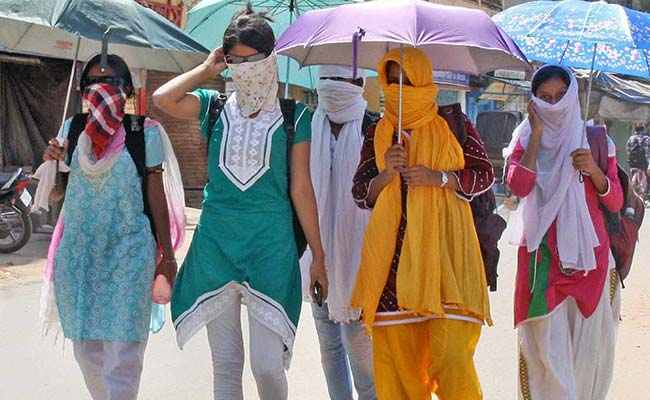
Mumbai has recorded its hottest day of 2026 so far, with the mercury soaring to a blistering 39 degrees Celsius, signaling the early arrival of summer and raising fresh concerns about heatwave conditions across the city. According to the India Meteorological Department (IMD), the sharp spike in temperature is significantly above the seasonal average for early March and could mark the beginning of an intense pre-monsoon heat phase.
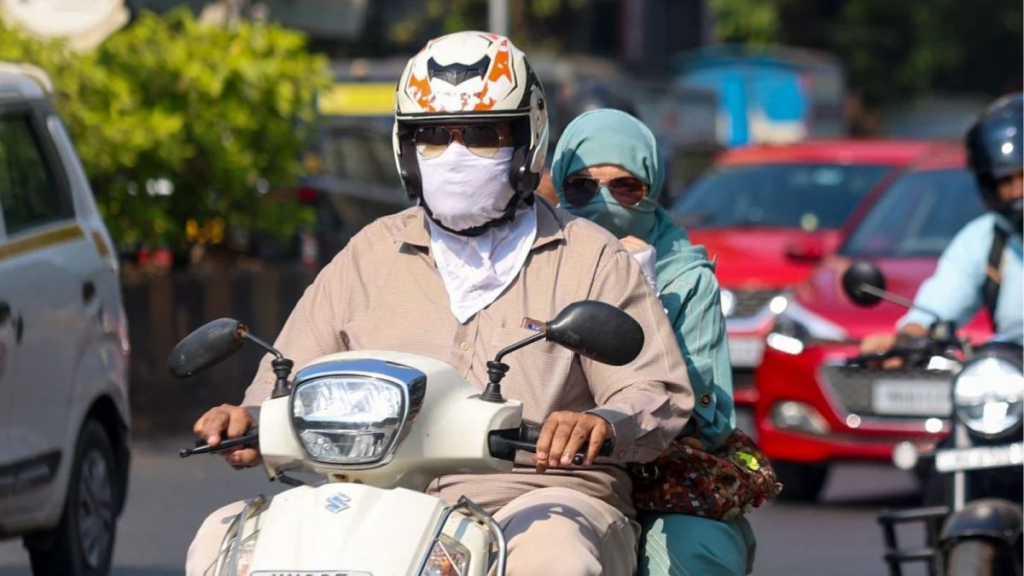
The sudden surge has left residents grappling with sweltering afternoons, rising humidity levels, and growing fears of prolonged heat stress in the coming weeks. Weather experts suggest that this temperature anomaly could be a precursor to a hotter-than-normal summer in 2026.
For early March, Mumbai’s average maximum temperature typically hovers between 32°C and 34°C. Touching 39°C represents a 4–6 degree jump above normal levels, an unusually sharp increase for this time of year.
Meteorologists at the India Meteorological Department confirmed that the temperature was recorded at the city’s primary observatory in Santacruz, which is considered representative of Mumbai’s suburban weather conditions.
Meanwhile, parts of South Mumbai, including Colaba, also reported unusually high daytime temperatures, although coastal influence slightly moderated the peak heat compared to inland areas.
Weather experts point to several contributing factors behind this sudden spike:
1. Weak Western Disturbances
Western disturbances that usually bring mild cloud cover and occasional rainfall to North India have been weak this season, reducing atmospheric cooling effects.
2. Clear Skies and Strong Solar Radiation
Clear skies over Maharashtra have allowed uninterrupted solar radiation, intensifying ground heating during the day.
3. Delayed Sea Breeze
Mumbai typically benefits from a cooling sea breeze in the afternoon. However, meteorologists noted that delayed or weakened sea breeze patterns have reduced this natural cooling mechanism.
4. Urban Heat Island Effect
Rapid urbanization, reduced green cover, and high-rise construction contribute to heat retention, particularly in densely populated neighborhoods.
The India Meteorological Department has not yet declared a formal heatwave but has issued a cautionary advisory warning of above-normal temperatures over the next several days.
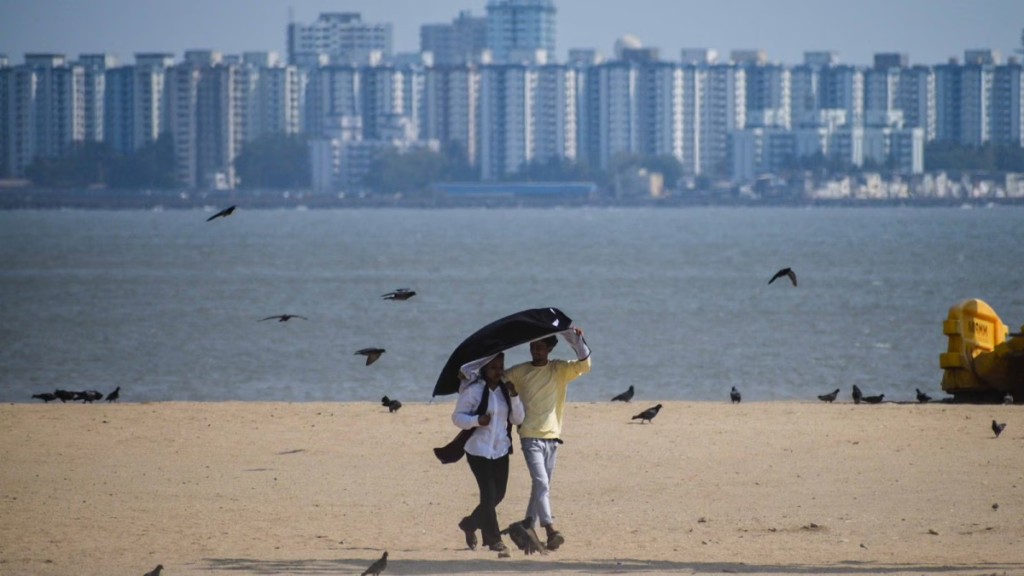
Forecast models suggest that maximum temperatures could hover between 37°C and 39°C for the upcoming week, with humidity levels compounding discomfort. Nighttime temperatures are also expected to remain elevated, offering limited relief.
Weather officials advise residents to:
- Avoid direct sunlight between 12 PM and 4 PM
- Stay hydrated
- Wear light, breathable clothing
- Check on elderly and vulnerable individuals
- Limit strenuous outdoor activities
The temperature surge has already begun affecting daily routines across the city.
Commuters Feel the Heat
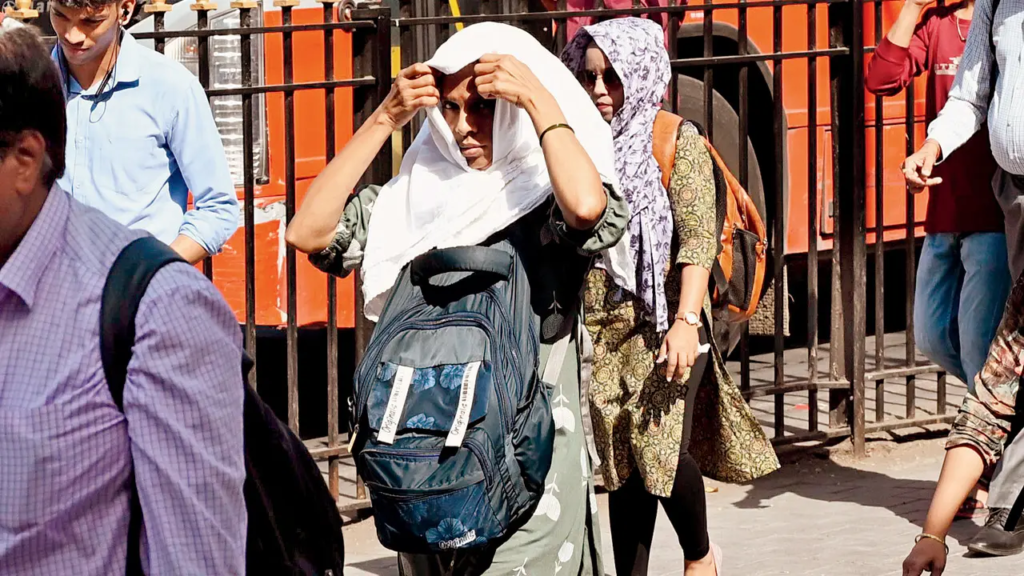
Local train commuters reported intense discomfort during afternoon peak hours, especially on non-air-conditioned compartments.
Schools Adjust Timings
Some schools are reportedly considering adjusting outdoor activity schedules to minimize exposure during peak heat hours.
Rising Electricity Demand
Air conditioner and fan usage has surged dramatically, leading to a noticeable spike in electricity consumption across residential and commercial areas.
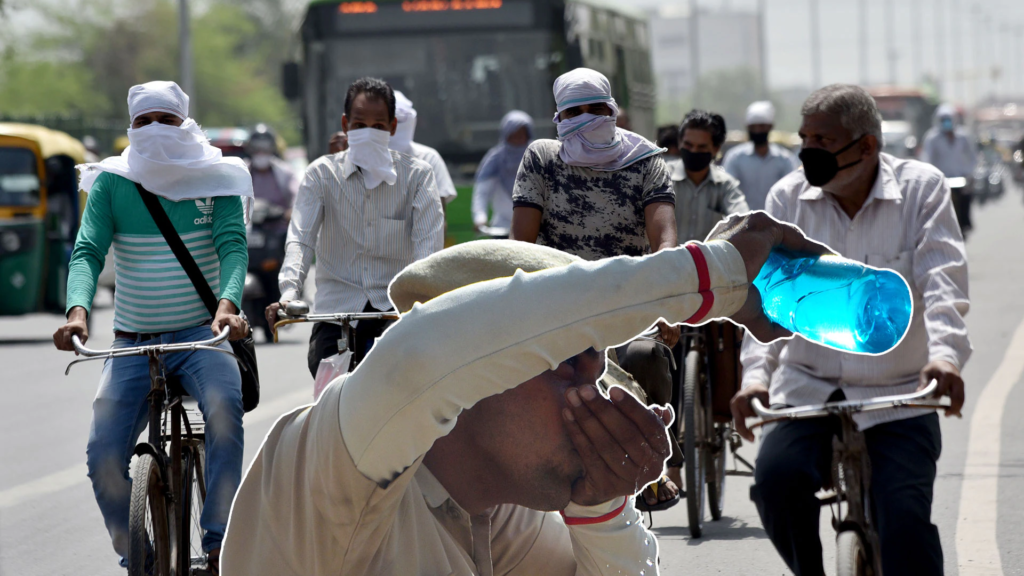
Medical professionals across Mumbai have cautioned residents about the risks of dehydration, heat exhaustion, and heatstroke. Hospitals are advising people to monitor symptoms such as dizziness, nausea, headaches, and excessive sweating.
Children, senior citizens, and individuals with pre-existing health conditions are particularly vulnerable during sudden temperature surges like this.
Doctors emphasize the importance of:
- Drinking at least 3–4 liters of water daily
- Avoiding caffeinated and sugary beverages
- Consuming seasonal fruits with high water content
- Wearing protective headgear when outdoors
Climate analysts suggest that early spikes in March often indicate an extended and potentially severe summer season. Over the past decade, Mumbai has experienced increasing instances of temperature anomalies, reflecting broader climate change patterns.
Last year, the city recorded multiple days crossing 38°C in April. With March already touching 39°C in 2026, concerns are growing that April and May could see temperatures breach the 40°C mark.
Historically, Mumbai’s coastal geography provided natural temperature moderation compared to inland cities like Nagpur or Pune. However, climate experts note that this advantage appears to be weakening due to:
- Rising sea surface temperatures
- Expanding concrete infrastructure
- Declining tree cover
- Increased vehicular emissions
Environmental groups are urging authorities to implement stronger urban cooling measures, including:
- Expanding green spaces
- Increasing tree plantation drives
- Promoting reflective rooftops
- Strengthening coastal breeze corridors
The early onset of summer could have mixed economic consequences:
Retail Sector
Demand for cooling appliances, summer clothing, beverages, and air conditioners is expected to surge.
Construction Industry
Construction workers face heightened heat risks, potentially slowing project timelines.
Agriculture Supply Chain
Rising temperatures in surrounding regions could impact vegetable and fruit supplies entering Mumbai markets.
Many Mumbaikars took to social media expressing shock at the sudden spike.
“Feels like May already!” one user wrote.
Another commented, “March has just started and we’re at 39°C. What’s coming next?”
The unusual heat has reignited conversations about climate resilience and preparedness in India’s financial capital.
According to meteorological forecasts, temperatures are unlikely to drop significantly in the immediate future. The next major seasonal transition is expected closer to late May or early June, when monsoon activity begins building over the Arabian Sea.
Until then, Mumbai may experience:
- Prolonged dry spells
- Occasional humidity spikes
- Higher-than-average daytime temperatures
- Increased UV index levels
The IMD will continue monitoring atmospheric conditions and may issue updated advisories if temperatures rise further.
The 39°C reading in early March serves as a powerful reminder of the growing climate volatility affecting metropolitan cities. Experts argue that adaptive infrastructure planning is no longer optional but essential.
From heat-resistant building materials to expanded public cooling centers, Mumbai may need to rethink its summer preparedness strategies in the years ahead.