Nepal Elections 2026 LIVE: 6% Voter Turnout Recorded in First Phase – Millions Head to Polls in High-Stakes Democratic Showdown
Nepal Elections 2026 LIVE Updates: 6% voter turnout recorded in early hours as millions across 77 districts cast their ballots in a high-stakes democratic showdown
The Nepal Elections 2026 have officially begun, marking one of the most decisive democratic exercises in the country’s recent political history. According to the Election Commission Nepal, approximately 6% voter turnout was recorded within the first few hours of polling, indicating a cautious yet steady start to what is being described as a high-stakes national vote.
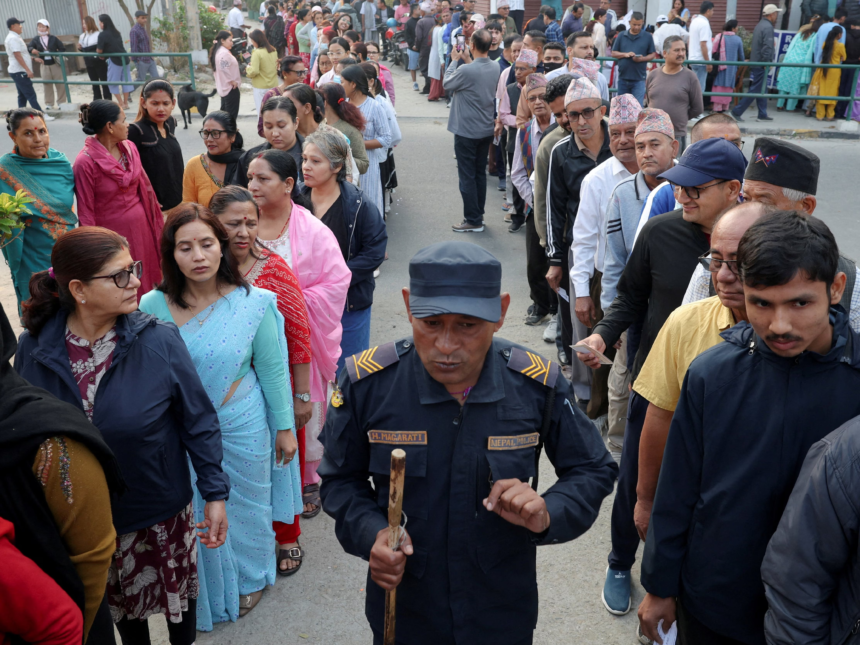
Across all 77 districts and 7 provinces, polling booths opened early in the morning under tight security arrangements. With nearly 2.5 crore eligible voters expected to cast their ballots, this election is being closely watched not only within the Himalayan nation but also across South Asia.
This election is more than a routine democratic exercise. It represents a defining chapter in Nepal’s political journey following years of coalition instability, economic challenges, and governance debates. The current electoral contest is expected to reshape power equations and determine the country’s political and economic direction for the next five years.
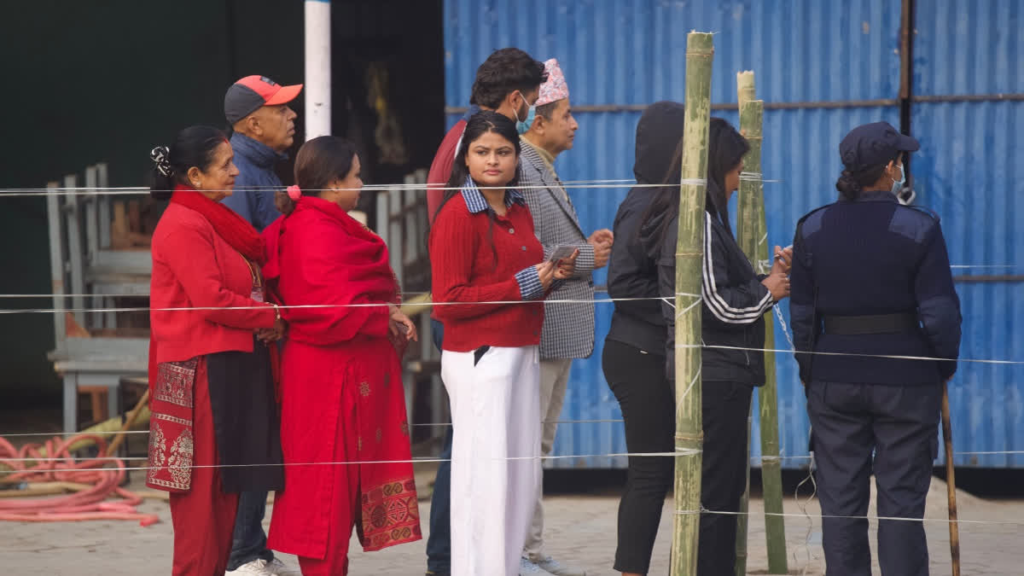
Voters queued up in large numbers in urban hubs such as Kathmandu, Pokhara, and Biratnagar, while rural districts reported a slower but orderly start. Election officials confirmed that polling stations opened on time in most constituencies, although minor technical glitches were reported in a few remote areas.
The 6% voter turnout recorded in the opening phase reflects early morning participation trends. Traditionally, Nepal sees voter turnout rise sharply after mid-morning, particularly in rural regions where agricultural schedules influence voting hours.
Political analysts suggest that the first few hours often indicate urban participation levels, while rural voters typically head to booths later in the day. If historical trends hold, turnout is expected to climb significantly as the day progresses.
During the previous general election, Nepal recorded an overall turnout exceeding 65%, and officials are hopeful of matching or surpassing that figure in 2026.
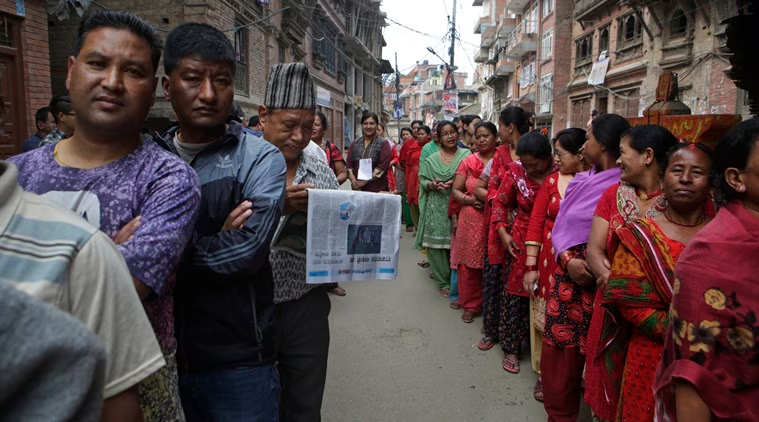
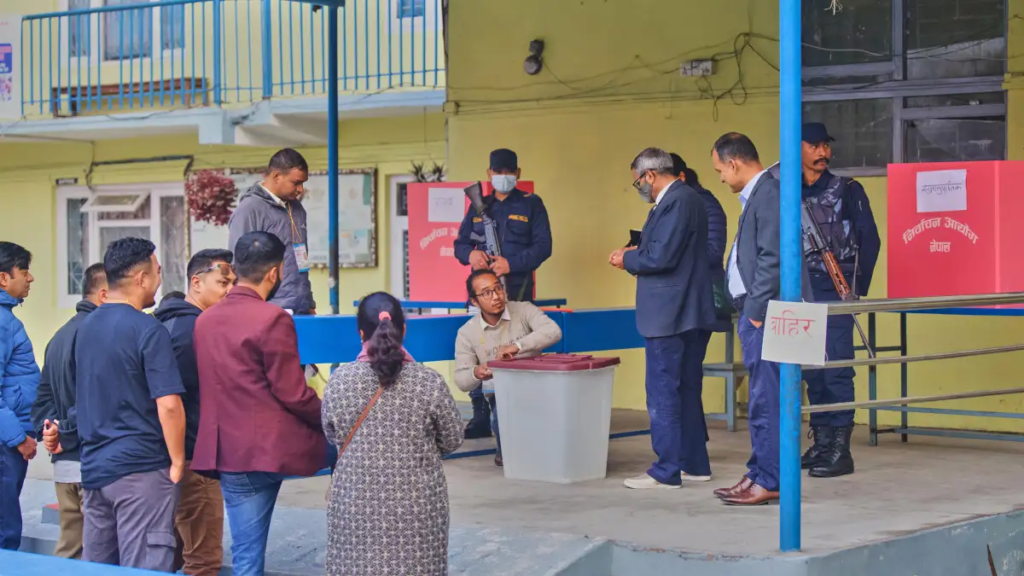
To ensure peaceful voting, authorities have implemented a multi-layered security framework. Thousands of security personnel, including Nepal Police, Armed Police Force, and temporary security volunteers, have been deployed nationwide.
Sensitive polling stations have been categorized based on risk assessment, and additional forces have been stationed in border districts to prevent cross-border disruptions. Surveillance systems, mobile patrol units, and rapid response teams have been activated to maintain law and order.
Government officials have emphasized that the election environment remains peaceful, with no major incidents reported in the early hours.
Several prominent leaders and parties are competing in what is being seen as a tight and unpredictable contest. The election features major national parties, regional forces, and independent candidates who are seeking to capitalize on public dissatisfaction over economic issues, employment challenges, and governance reforms.
The outcome could significantly alter coalition dynamics in Parliament. In the last few years, Nepal has witnessed shifting alliances and frequent government changes, making this election critical for long-term political stability.
Young voters, in particular, are playing an increasingly influential role. With a significant percentage of the electorate under the age of 35, employment, education reforms, digital economy growth, and migration policies have emerged as dominant campaign themes.
Nepal’s economic recovery post-pandemic has been uneven. Inflation, rising cost of living, and foreign employment migration have been central talking points during the campaign.
Political parties have promised:
- Job creation programs
- Infrastructure expansion
- Tourism revival strategies
- Hydropower investments
- Anti-corruption drives
Voters have expressed strong opinions about governance transparency and accountability, with many demanding stable leadership capable of delivering long-term economic reforms.
The 2026 election has seen a surge in youth engagement. Social media campaigns, digital rallies, and policy debates have captured the attention of first-time voters.
Election authorities confirmed that millions of new voters were registered ahead of this election cycle. Many of them are voting for the first time, bringing fresh expectations to the political landscape.
Youth-led civic groups have actively encouraged higher participation, emphasizing that voting is essential for shaping Nepal’s future direction.
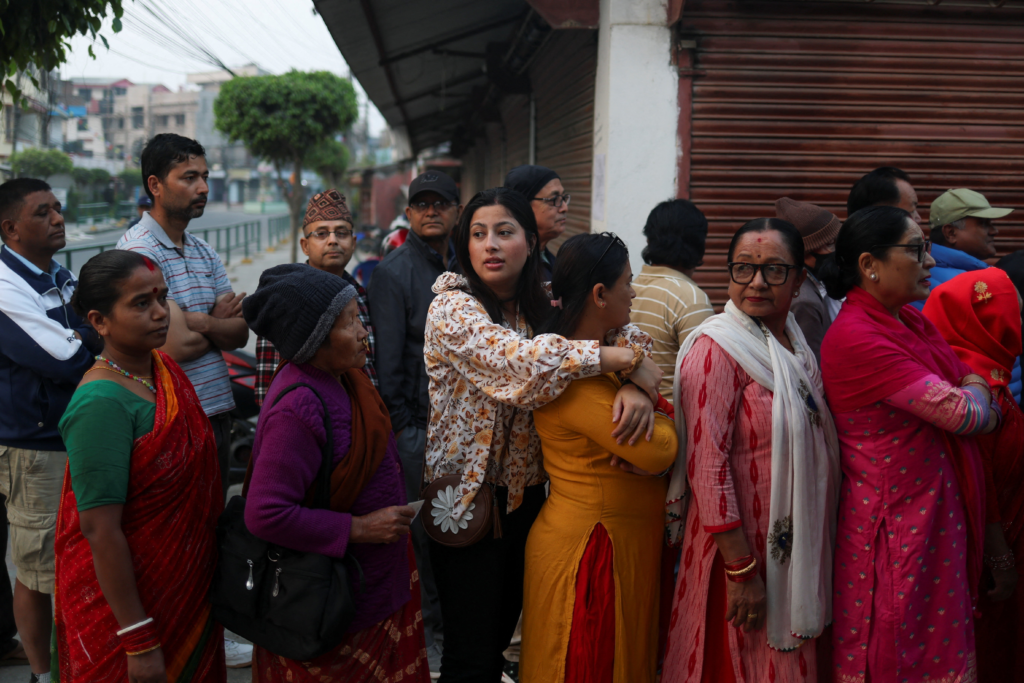
Another notable feature of the Nepal Elections 2026 is the visible participation of women voters. In several districts, early morning visuals showed long queues of women at polling centers.
Nepal has made constitutional provisions to increase women’s representation in Parliament and provincial assemblies. This election is expected to further test the effectiveness of those inclusion policies.
Women candidates are also contesting in greater numbers compared to previous elections, signaling gradual progress toward gender-balanced political representation.
The Election Commission Nepal has introduced improved voter verification systems to enhance transparency and efficiency. Biometric verification tools and digital monitoring mechanisms have been deployed in key constituencies.
Officials stated that special attention has been given to preventing duplicate voting and ensuring secure ballot transportation from remote Himalayan regions.
Observers from domestic and international organizations are also monitoring the election process to ensure compliance with democratic standards.
Given Nepal’s strategic location between India and China, international observers are closely tracking the election outcome. Diplomatic circles believe the new government’s foreign policy orientation could impact regional economic partnerships, trade agreements, and infrastructure investments.
Neighboring countries and global stakeholders are particularly interested in Nepal’s economic reform agenda, hydropower expansion, and connectivity projects.
Interviews with voters across major cities indicate a common demand — political stability. Frequent changes in leadership over the past few years have led to public frustration.
Many citizens expressed hope that the 2026 election will produce a clear mandate rather than another fractured Parliament. Stable governance is widely viewed as essential for economic growth, foreign investment, and institutional reform.
Polling will continue until the scheduled closing time, after which ballot boxes will be sealed and transported under heavy security to counting centers.
Counting is expected to begin soon after voting concludes, although final results may take several days due to Nepal’s challenging geography and logistical complexities.
Early trends and exit polls could begin emerging by late evening, providing preliminary insights into the possible outcome.
The Nepal Elections 2026 are shaping up to be a watershed moment. With 6% early voter turnout recorded and millions yet to cast their ballots, the day promises to deliver significant political developments.
As citizens across mountains, valleys, and cities exercise their democratic rights, the world watches closely. Whether this election results in a decisive majority or another coalition-led government, its impact will resonate far beyond the immediate results.
For now, all eyes remain on polling stations across 77 districts as Nepal charts the next chapter of its democratic journey.