Pakistan in 24/7 ‘Open War’ With Afghanistan – Minister’s Explosive 1-Line Declaration Signals Massive Border Escalation
Pakistan declares “open war” with Afghanistan as border violence surges, cross-border attacks intensify, and regional security fears escalate amid mounting military tensions
In a dramatic escalation that has sent shockwaves across South Asia, a senior Pakistani minister has declared that the country is in an “open war” with neighboring Afghanistan. The explosive statement reflects a rapidly deteriorating security situation along one of the world’s most volatile borders and signals a potential shift from sporadic clashes to sustained confrontation.
The announcement comes amid a surge in cross-border violence, militant infiltration, and mounting political tension between the governments of Pakistan and Afghanistan. Analysts warn that the situation could spiral into a prolonged conflict if diplomatic channels fail to contain the escalation.
The Pakistan-Afghanistan relationship has historically been marked by mistrust, but recent developments suggest the situation has entered a far more dangerous phase. Officials in Islamabad argue that repeated militant attacks inside Pakistani territory have crossed a red line, forcing the government to adopt a more aggressive security posture.
The term “open war” used by the minister is particularly significant. While the two countries have engaged in skirmishes in the past, the use of such strong language indicates a belief within Pakistan’s leadership that the conflict is no longer limited to isolated incidents. Instead, it reflects an ongoing and organized security challenge.
This rhetorical shift has intensified global concern, as both countries occupy a sensitive geopolitical zone that has long been a focal point for militancy, instability, and international intervention.
At the heart of the crisis lies a sharp increase in cross-border attacks. Pakistani authorities report a growing number of ambushes on military personnel, attacks on checkpoints, and strikes targeting civilians in frontier regions. Many of these incidents are believed to be linked to militant networks operating near or across the Afghan border.
Security agencies claim that the scale and frequency of attacks have risen significantly in the past year. Intelligence reports suggest coordinated operations by armed groups that exploit the porous and mountainous terrain of the border to evade capture.
For Pakistan, the continued loss of lives has amplified public pressure on the government to respond decisively. Political leaders now face a domestic environment that demands stronger action against perceived external threats.
One of the central issues fueling tensions is the presence of militant groups accused of operating from Afghan territory. Pakistan has repeatedly blamed the Tehrik-i-Taliban Pakistan (TTP) for orchestrating deadly attacks inside its borders.
The TTP, though distinct from the Afghan insurgency, shares ideological roots with the Taliban. Since the Taliban’s return to power in Kabul in 2021, Islamabad has expressed concerns that militant groups have gained operational space, even as Afghan authorities deny offering safe havens.
Pakistan argues that Kabul has failed to take adequate action against anti-Pakistan militants, a claim Afghan officials have consistently rejected. This mutual distrust has widened the diplomatic gap between the two nations, complicating efforts at cooperation.
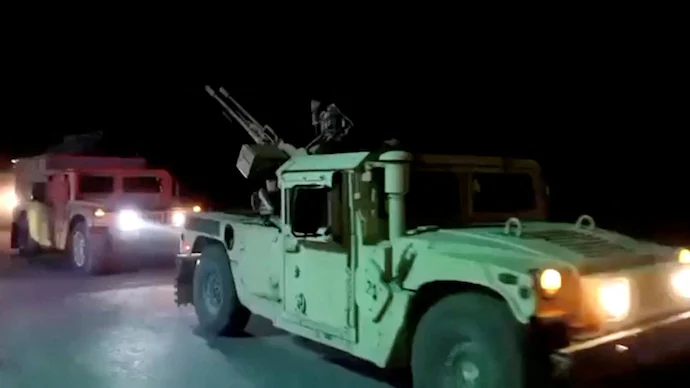
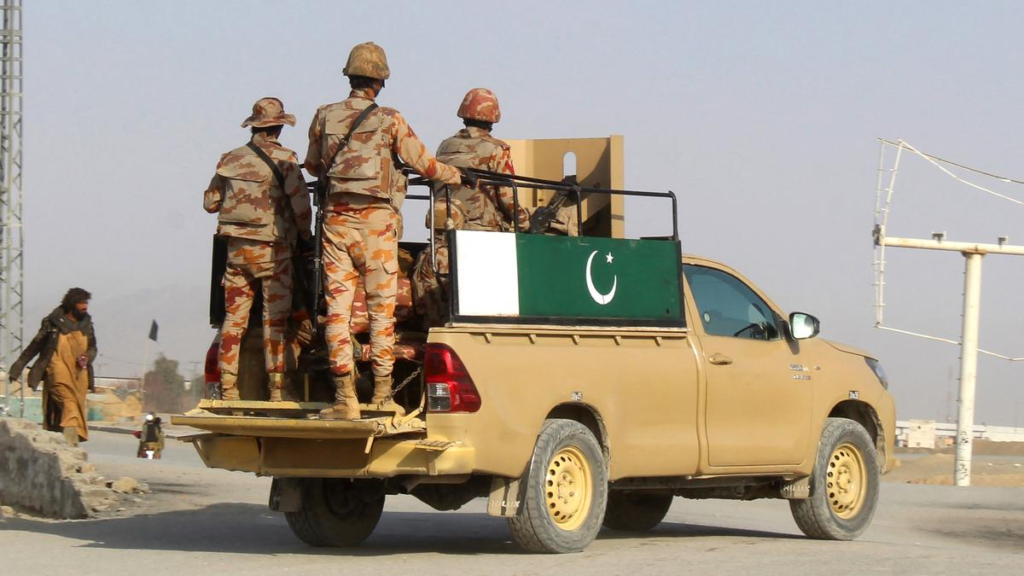
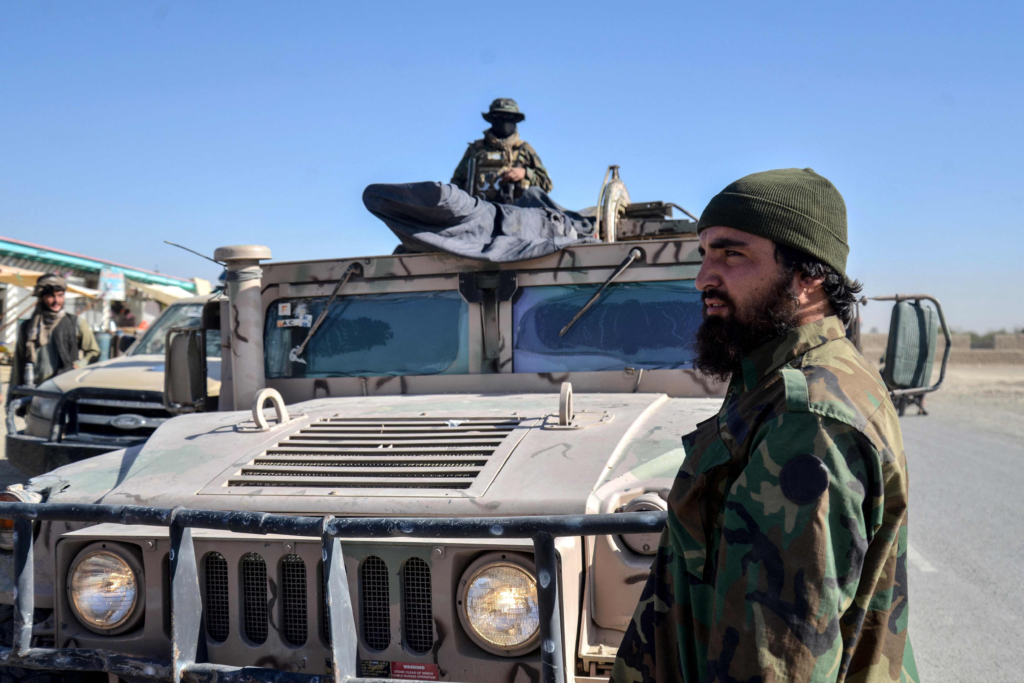
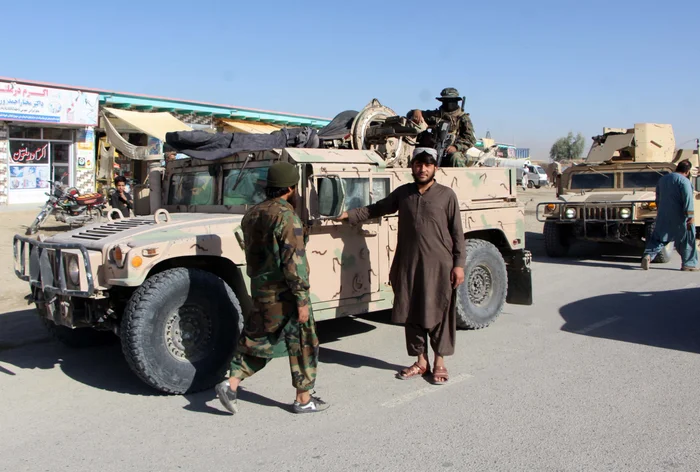
The escalating tensions have triggered a visible military buildup along the frontier. Reports suggest enhanced surveillance, increased troop deployments, and expanded intelligence operations on both sides. Artillery exchanges and localized clashes have become more frequent, raising fears of unintended escalation.
Military analysts warn that border conflicts often carry a high risk of miscalculation. Even a small incident can quickly spiral into broader confrontation if retaliatory strikes escalate without diplomatic restraint.
Additionally, the rugged terrain of the Pakistan-Afghanistan border makes conventional control extremely difficult. The mountainous geography not only facilitates militant movement but also complicates military operations, prolonging conflict scenarios.
Despite the sharp rhetoric, diplomatic channels have not completely collapsed. Backchannel communications are believed to be ongoing, with regional stakeholders quietly urging restraint. However, public statements from officials on both sides suggest that patience is wearing thin.
Pakistan’s leadership has indicated that it expects concrete action from Afghanistan against militant groups. Meanwhile, Afghan authorities have warned against unilateral military operations, emphasizing the need for dialogue over aggression.
This diplomatic standoff has created a fragile environment where even minor developments could trigger major consequences.
A sustained conflict between Pakistan and Afghanistan would have far-reaching implications beyond bilateral relations. South Asia and Central Asia are deeply interconnected through trade, migration, and security networks. Any prolonged instability could disrupt regional connectivity and economic cooperation.
Trade corridors linking Central Asia to South Asian markets could face severe disruptions. Border closures and military tensions may halt commercial movement, impacting businesses and livelihoods dependent on cross-border trade.
Moreover, instability in the region could create new opportunities for extremist networks to regroup, posing broader security risks for neighboring countries.
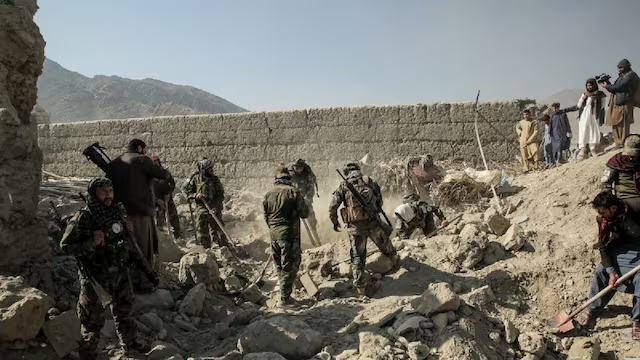
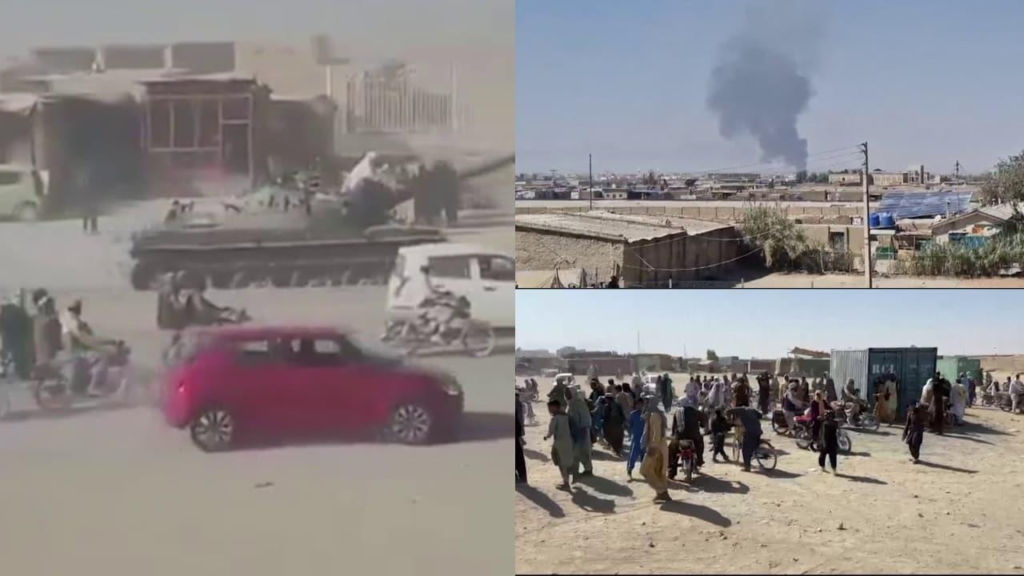
One of the most immediate consequences of escalating tensions is the humanitarian fallout. Border regions are home to millions of civilians who depend on cross-border movement for survival. Increased militarization could lead to displacement, economic hardship, and restricted access to basic services.
Human rights organizations have already expressed concern over the safety of civilians caught in the crossfire. Prolonged instability could result in refugee flows, placing additional pressure on already strained resources in both countries.
Historically, conflicts in this region have triggered large-scale humanitarian crises, making early intervention crucial to prevent a repeat of past tragedies.
The minister’s “open war” statement also reflects domestic political realities within Pakistan. Public frustration over rising militant attacks has grown, and there is increasing demand for strong security measures.
For the government, projecting strength may be seen as essential to maintaining public confidence. However, aggressive rhetoric can also limit diplomatic flexibility, making de-escalation more challenging.
Balancing domestic expectations with international diplomatic responsibilities will likely be one of the biggest challenges for Pakistan’s leadership in the coming months.
For Afghanistan, the situation presents a complex strategic dilemma. The country is already grappling with economic challenges, international isolation, and governance pressures. A prolonged conflict with Pakistan could further destabilize an already fragile environment.
Afghan authorities have repeatedly denied harboring anti-Pakistan militants, arguing that internal challenges limit their ability to control every armed group. However, failure to address Islamabad’s concerns risks worsening diplomatic isolation.
The Afghan leadership must now navigate a narrow path between maintaining sovereignty and preventing escalation with a powerful neighbor.
The international community is closely monitoring the unfolding situation. Global powers and regional organizations are likely to push for dialogue to prevent escalation into a full-scale conflict.
Historically, instability in the Pakistan-Afghanistan corridor has had global ramifications, particularly in the context of counterterrorism and regional security. A breakdown in relations could complicate international efforts aimed at stabilizing the region.
Diplomatic observers suggest that external mediation may eventually play a role if bilateral efforts fail to produce results.
The declaration of “open war” marks a critical turning point in Pakistan-Afghanistan relations. Whether the statement translates into sustained military confrontation or remains rhetorical will depend on developments in the coming weeks.
If both sides continue to escalate rhetoric and military actions, the risk of prolonged conflict will grow significantly. However, if diplomatic channels regain momentum, there may still be a window for de-escalation.
For now, the region stands at a crossroads. The choices made by leaders in Islamabad and Kabul will shape not only bilateral relations but also the broader stability of South Asia.