
PM Modi Champions AI for Public Good: 5 Big Takeaways as Tech Impact Summit Enters Day 2
India’s Prime Minister Narendra Modi highlights 5 key priorities for ethical AI and tech-driven public welfare as the global AI Impact Summit enters Day 2, focusing on innovation, governance, and inclusive growth
As the global AI Impact Summit entered its second day, Prime Minister Narendra Modi delivered a strong and forward-looking message on the transformative power of technology, urging stakeholders to prioritize public interest, ethical governance, and inclusive growth. Addressing policymakers, tech leaders, and innovators, the Indian leader positioned artificial intelligence not merely as a disruptive force but as a powerful tool capable of driving equitable development across sectors.
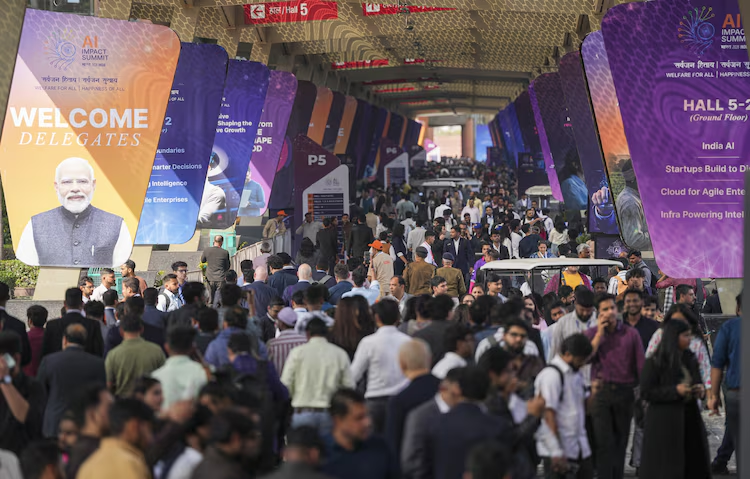
The Prime Minister’s address struck a balance between optimism and caution, reflecting the growing global debate around AI’s rapid evolution. He emphasized that while artificial intelligence holds the potential to revolutionize healthcare, education, agriculture, and governance, its deployment must be guided by principles that safeguard humanity’s long-term interests. Calling for a collaborative global framework, he reiterated that technology must serve people, not replace or marginalize them.
One of the key highlights of the Day 2 address was Modi’s emphasis on using AI for public welfare. He pointed out that emerging technologies should not remain confined to private enterprises or elite ecosystems but must actively contribute to solving real-world challenges. From improving access to quality healthcare in rural areas to enabling real-time disaster response systems, the Prime Minister outlined several areas where AI can play a decisive role.
He cited examples of how data-driven governance models are already transforming public service delivery. Digital platforms powered by AI can enhance transparency, streamline welfare distribution, and reduce bureaucratic inefficiencies. By leveraging predictive analytics, governments can identify vulnerable populations and respond more effectively to crises such as pandemics, floods, and food shortages.
A major focus of Modi’s speech revolved around ethical AI. He stressed that technological advancement without accountability could lead to serious risks, including algorithmic bias, data misuse, and job displacement. Urging the global community to establish ethical guardrails, he called for a values-based framework rooted in trust, transparency, and responsibility.
The Prime Minister argued that AI governance cannot be dictated by a handful of countries or corporations. Instead, he advocated for a participatory model where developing nations also have a voice in shaping global standards. According to him, a balanced approach will ensure that innovation is not stifled while safeguarding fundamental human rights.
He also highlighted the importance of building systems that are transparent and explainable. AI models, he noted, must be accountable to citizens, especially when deployed in sensitive domains such as law enforcement, finance, and healthcare. This aligns with growing global concerns over opaque algorithms influencing decision-making without adequate oversight.
Another significant theme addressed during the summit was the future of jobs in an AI-driven economy. Modi acknowledged the widespread anxiety surrounding automation and job displacement but framed the challenge as an opportunity for transformation. He argued that while AI may replace certain repetitive tasks, it will also create new avenues for employment and entrepreneurship.
The Prime Minister underscored the need for large-scale skilling and reskilling initiatives. Preparing the workforce for an AI-centric future, he said, should be a top priority for governments and industries alike. Digital literacy, coding skills, and domain-specific AI training programs can empower millions of young people to participate in the new economy.
He also emphasized the importance of integrating AI education into school and university curricula. By equipping students with foundational knowledge early on, countries can build a future-ready workforce capable of driving innovation rather than merely adapting to it.
During his speech, Modi also highlighted India’s emerging role as a major player in the global AI landscape. He pointed to the country’s large pool of tech talent, vibrant startup ecosystem, and rapidly expanding digital infrastructure as key advantages. With millions of developers and one of the world’s largest data ecosystems, India is uniquely positioned to contribute to AI innovation at scale.
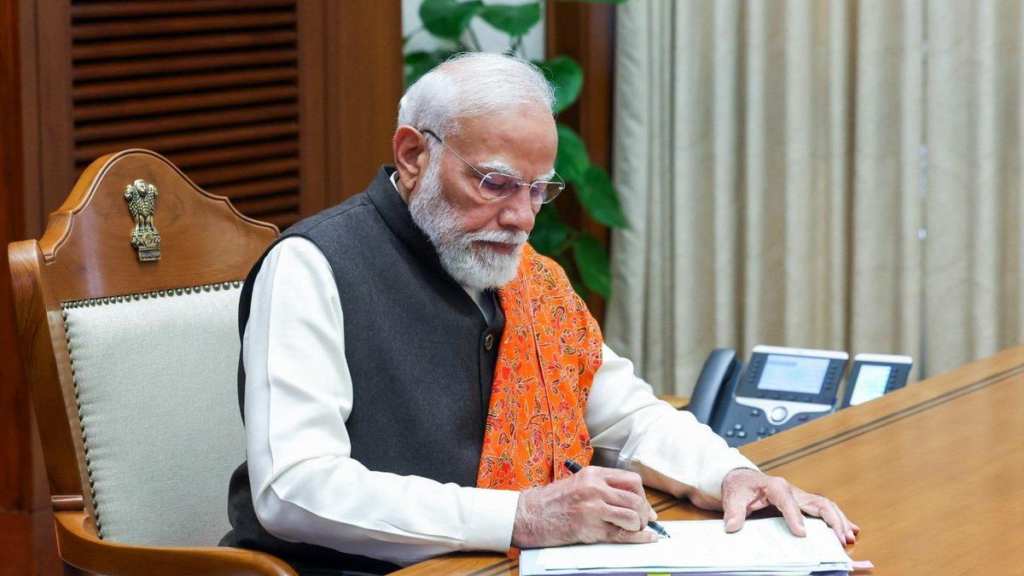
The Prime Minister referenced several national initiatives aimed at boosting AI adoption across sectors. These include public digital platforms, open data frameworks, and AI-driven governance tools that have already demonstrated measurable impact. He suggested that India’s experience in deploying digital solutions at population scale could offer valuable lessons for other developing nations.
Furthermore, Modi reiterated the country’s commitment to building inclusive digital public goods. He noted that open, interoperable platforms can accelerate innovation while ensuring that smaller players and startups are not left behind. This approach, he argued, can democratize access to cutting-edge technologies and reduce the digital divide.
A recurring theme in the address was the need for global collaboration. Modi cautioned against turning AI into a geopolitical battleground, warning that excessive competition could hinder progress and create fragmented standards. Instead, he called for partnerships that promote knowledge sharing, joint research, and cross-border innovation.
He stressed that challenges posed by AI — from cybersecurity threats to misinformation — are inherently global and require collective solutions. Multilateral cooperation, he said, is essential to establish common norms and prevent misuse of advanced technologies.
The Prime Minister also encouraged public-private partnerships as a means to accelerate responsible innovation. By combining the agility of the private sector with the accountability of public institutions, countries can create robust ecosystems that foster sustainable technological growth.
Another important dimension of the Day 2 discussions was sustainability. Modi highlighted the role of AI in tackling climate change and advancing sustainable development goals. From optimizing energy consumption in smart cities to enabling precision agriculture, artificial intelligence can help balance economic growth with environmental responsibility.

He pointed out that AI-powered climate modeling can improve weather forecasting and disaster preparedness, potentially saving countless lives. Additionally, intelligent resource management systems can reduce waste and enhance efficiency across industries. These applications, he argued, demonstrate how technology can be aligned with long-term planetary well-being.
While maintaining an optimistic outlook, Modi did not shy away from addressing potential risks associated with AI. He acknowledged concerns about deepfakes, misinformation, and cyber threats, noting that these challenges could undermine trust in digital ecosystems if left unchecked.
To counter these risks, he proposed stronger regulatory frameworks coupled with technological safeguards. Building public trust, he emphasized, will require transparency, accountability, and continuous dialogue between stakeholders. Governments, tech companies, academia, and civil society must work together to ensure that AI systems remain reliable and secure.
He also called for investment in research focused on AI safety and robustness. Developing tools to detect malicious use of AI and strengthening cybersecurity infrastructure will be crucial in the years ahead.
At the heart of Modi’s speech was a broader vision of inclusive innovation. He argued that the true success of AI will be measured not by technological breakthroughs alone but by its impact on everyday lives. Ensuring that benefits reach marginalized communities, rural populations, and developing economies must remain a central priority.
The Prime Minister urged stakeholders to adopt a human-centric approach, where technological progress aligns with social good. He reiterated that innovation should empower individuals, enhance dignity, and create opportunities rather than widen inequalities.
This philosophy, he noted, resonates strongly with India’s broader development agenda, which emphasizes digital inclusion and equitable growth. By focusing on accessibility and affordability, governments can ensure that AI becomes a force multiplier for social progress.

As the AI Impact Summit moves forward, Modi’s address is likely to shape ongoing discussions around governance, ethics, and global cooperation. His emphasis on balancing innovation with responsibility reflects a growing consensus that the future of AI must be guided by shared values and collective wisdom.
The Day 2 message was clear: artificial intelligence is not just a technological revolution but a societal turning point. Decisions made today will determine whether AI becomes a catalyst for inclusive growth or a source of new inequalities. By advocating for ethical frameworks, global collaboration, and public-focused innovation, Modi positioned himself as a strong voice in shaping the global AI discourse.
In a rapidly evolving digital world, the Prime Minister’s call to align technology with human values resonates beyond national boundaries. As nations grapple with the promises and perils of AI, the summit’s discussions underscore a fundamental truth — the future of technology must ultimately serve humanity.
Read Also : Relief After Legal Battle: 5 Key Updates as Rajpal Yadav Gets Bail in Rs 9-Crore Cheque Bounce Case