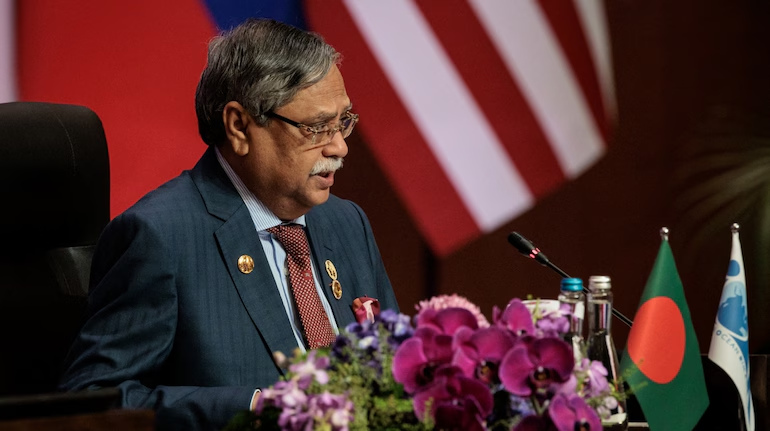
Political Bombshell: 5 Explosive Claims as Bangladesh President Mohammed Shahabuddin Accuses Muhammad Yunus of Keeping Him ‘In the Dark
Bangladesh President Mohammed Shahabuddin slams Muhammad Yunus, alleging he was kept “completely in the dark
A major political controversy has erupted in Bangladesh after President Mohammed Shahabuddin publicly criticized Nobel laureate and economist Muhammad Yunus, accusing him of operating without transparency and allegedly keeping the presidency “completely in the dark” on critical matters.
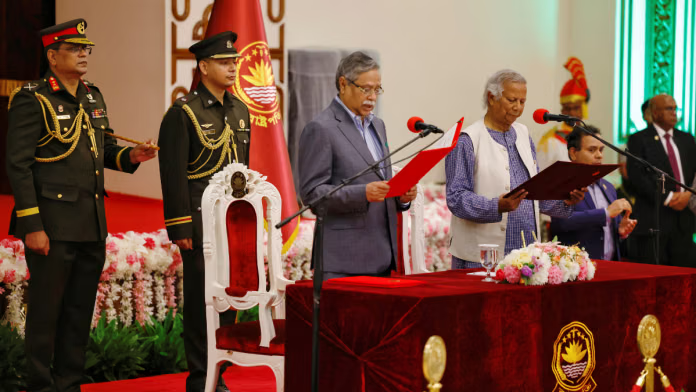
The sharp remarks have triggered intense debate across political, academic, and international circles, given Yunus’ global stature and Bangladesh’s delicate political climate. The unprecedented public criticism from the country’s highest constitutional office has transformed what might have been a policy disagreement into a full-blown national controversy.
The controversy stems from a strongly worded statement attributed to President Shahabuddin, in which he alleged that he had been excluded from key developments and decisions. According to reports, the president suggested that Yunus acted independently in matters where institutional coordination should have been prioritized.
The phrase “kept me completely in the dark” quickly became the focal point of the controversy, dominating headlines and social media discussions.
Observers note that such blunt language is rare in Ba
The public clash is significant for several reasons:
- It pits the presidency against one of Bangladesh’s most internationally recognized personalities.
- It raises questions about institutional communication and governance transparency.
- It has potential diplomatic ramifications due to Yunus’ global influence.
- It signals deeper tensions within Bangladesh’s evolving political landscape.
For a country navigating complex domestic and international dynamics, the controversy carries implications beyond personalities.
Muhammad Yunus is not just a domestic public figure — he is a globally celebrated economist, best known for pioneering microfinance and founding the Grameen model of social business. His work has earned international acclaim, including the Nobel Peace Prize.
Over decades, Yunus has built strong relationships with global policymakers, development institutions, and civil society organizations. His international standing means that any domestic political controversy involving him inevitably attracts global attention.
This is precisely why the president’s remarks have resonated far beyond Bangladesh’s borders.
Political analysts suggest that the controversy may reflect deeper institutional tensions. In many political systems, friction between constitutional offices and influential public figures can arise when lines of authority and communication become blurred.
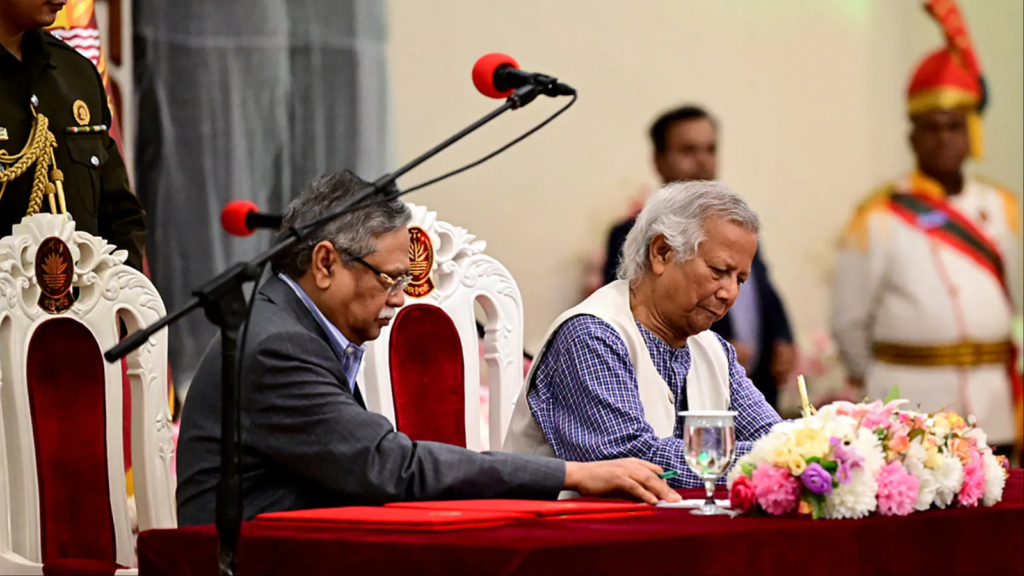
Key questions emerging from the controversy include:
- Was there a breakdown in formal communication channels?
- Were institutional protocols bypassed?
- Is the disagreement personal, political, or structural?
- What role do broader political dynamics play?
Without official clarifications, speculation continues to grow.
The president’s remarks have sparked polarized reactions within Bangladesh’s political ecosystem.
Some political voices have supported the president, arguing that institutional transparency must be upheld regardless of individual stature. They emphasize that constitutional offices must be respected and kept informed in matters of national importance.
Others have defended Yunus, pointing to his lifelong contributions to social development and poverty alleviation. Supporters argue that public criticism of such a globally respected figure could harm Bangladesh’s international image.
The divide reflects broader political fault lines within the country.
Given Yunus’ global recognition, the controversy has drawn international attention. Diplomats and global observers are closely watching developments, particularly because Yunus has longstanding ties with international development agencies and world leaders.
Potential international implications include:
- Diplomatic sensitivity around public narratives
- Impact on Bangladesh’s development partnerships
- Global media scrutiny
- Reputational considerations
Bangladesh has worked hard to position itself as a rising economic power, making international perception especially important.
At the heart of the controversy lies a fundamental governance question: how should institutions communicate in modern democracies?
Transparency, coordination, and accountability are widely regarded as pillars of effective governance. When public disagreements emerge at the highest levels, they often trigger broader conversations about institutional health.
Legal scholars and governance experts suggest that the situation underscores the need for:
- Clear communication protocols
- Defined institutional boundaries
- Strong conflict-resolution mechanisms
- Transparent public messaging
Such frameworks are essential to prevent misunderstandings from escalating into public disputes.
The controversy has dominated national media coverage, with television debates, op-eds, and digital commentary analyzing every aspect of the fallout.
Public discourse has largely revolved around:
- Institutional respect
- Leadership accountability
- Political motivations
- National image
Social media platforms have amplified the debate, with users expressing strong opinions on both sides.
Hashtags related to the controversy have trended regionally, reflecting high public engagement.
In any political system, statements made by the head of state carry symbolic weight. Even when largely ceremonial, presidential remarks can influence public narratives and institutional perceptions.
By publicly criticizing Yunus, President Shahabuddin has elevated the issue from a private disagreement to a matter of national discourse.
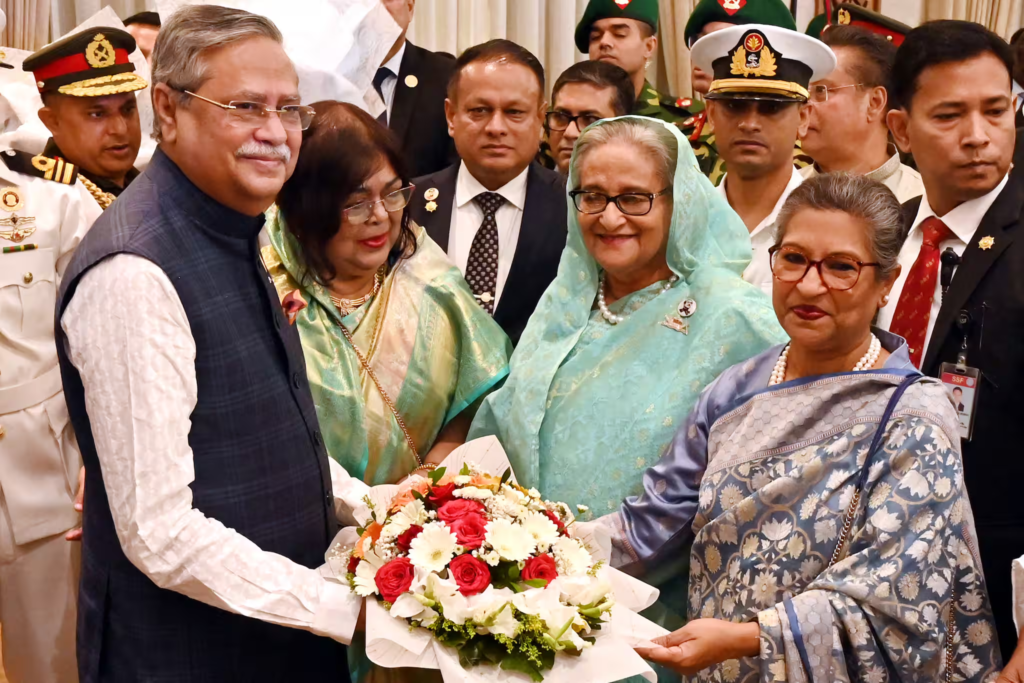
Such moments often become defining episodes in political history, shaping how institutions interact in the future.
At the time of the controversy gaining traction, attention has been focused on whether Muhammad Yunus will respond directly to the president’s allegations.
Public responses from figures of Yunus’ stature are often carefully calibrated, balancing domestic sensitivities with international implications.
If he chooses to respond, analysts believe it could:
- Clarify misunderstandings
- Escalate the dispute
- Reframe the narrative
- Influence global perception
Until then, speculation continues to fill the information vacuum.
Bangladesh’s political landscape has historically seen intense rivalries and public confrontations. However, disputes involving globally respected figures and constitutional authorities are relatively rare.
This rarity is what makes the current controversy particularly notable.
Political historians suggest that moments like these often reflect deeper transitions within national political ecosystems.
The controversy comes at a time when Bangladesh is navigating multiple challenges, including economic transitions, governance debates, and international positioning.
Public disputes among prominent figures can:
- Intensify political polarization
- Influence policy narratives
- Shape electoral discourse
- Affect institutional confidence
How this episode unfolds may have lasting implications for Bangladesh’s political trajectory.
Public reactions appear deeply divided. Some citizens view the president’s remarks as a necessary assertion of institutional authority, while others see them as an avoidable escalation involving a globally respected personality.
Online discourse suggests three broad sentiment clusters:
- Institutionalists prioritizing constitutional hierarchy
- Development advocates defending Yunus’ legacy
- Neutral observers calling for reconciliation
Such divisions highlight the complexity of the issue.
As the controversy continues to unfold, attention is shifting toward possible resolutions. Political observers suggest several potential pathways:
- Quiet institutional dialogue
- Clarifying statements from both sides
- Mediation by senior national figures
- Gradual de-escalation through silence
Historically, many high-profile disputes resolve behind closed doors rather than through public confrontation.
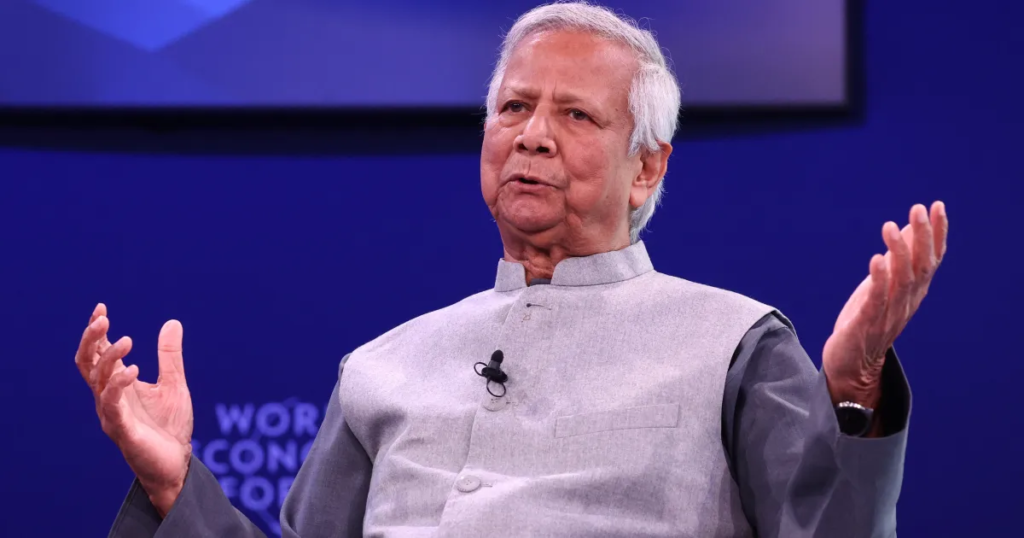
Beyond immediate political implications, the episode offers broader lessons for governance:
- The importance of communication clarity
- The risks of public escalation
- The influence of global perception
- The need for institutional maturity
For emerging economies like Bangladesh, balancing domestic political dynamics with international image remains a delicate task.
The public criticism of Muhammad Yunus by President Mohammed Shahabuddin has triggered one of the most closely watched political controversies in Bangladesh in recent times. By framing the issue as a matter of being “kept in the dark,” the president has spotlighted questions around transparency, authority, and institutional respect.
Whether this episode evolves into a prolonged political standoff or fades into a temporary controversy will depend largely on how both sides navigate the coming days.
What is clear, however, is that the incident has already sparked a nationwide conversation about governance, leadership, and the delicate balance between institutional authority and individual legacy.
As Bangladesh continues its journey on the global stage, the resolution of this controversy may well shape how its institutions are perceived both at home and abroad.
Read Also : Racial Harassment Shock: 3 Northeastern Women Allege Abuse in Malviya Nagar — ‘Opened a Massage Parlour