

Pre-Christmas Vandalism Shocks 3 States: Kerala, Chhattisgarh and Assam Rocked by Targeted Attacks
Pre-Christmas vandalism in 3 states—Kerala, Chhattisgarh and Assam—sparks outrage, raising concerns over safety and communal harmony
In the days leading up to Christmas, a series of vandalism incidents across Kerala, Chhattisgarh, and Assam unsettled communities and cast a shadow over what is traditionally a season of peace, celebration, and communal harmony. From damaged religious symbols to attacks on prayer spaces, these incidents triggered widespread concern, political reactions, police investigations, and renewed debates over religious tolerance and law and order in India.
While authorities have moved quickly to restore calm, the timing and nature of the vandalism—just ahead of one of Christianity’s most important festivals—sparked alarm and raised difficult questions about social cohesion, misinformation, and targeted unrest.

Christmas in India, especially in states like Kerala, is usually marked by public festivities, illuminated streets, midnight prayers, and shared celebrations cutting across religious lines. This year, however, the festive atmosphere was punctured by reports of vandalism emerging from multiple states within a short span of time.
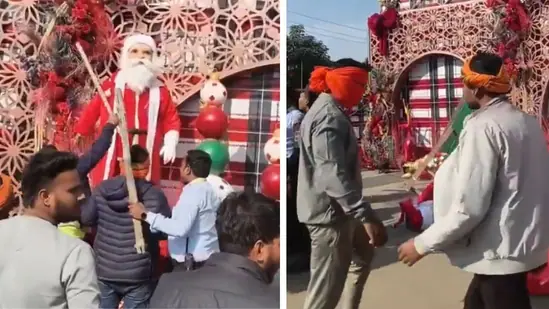
Social media amplified images and videos of damaged statues, defaced church property, and disrupted prayer services, drawing national attention and prompting swift responses from both state governments and the Centre.
Though the incidents varied in scale and context, their collective impact was significant, creating unease among Christian communities and civil society groups nationwide.
Kerala, home to one of India’s oldest Christian populations, witnessed incidents that deeply shocked residents. In certain districts, statues and religious symbols associated with Christmas celebrations were reportedly damaged or desecrated. Community leaders described the acts as deeply hurtful, particularly because they occurred during Advent, a sacred period of preparation for Christmas.
Local residents and clergy emphasized that Kerala has long been known for religious coexistence and mutual respect. The vandalism, therefore, was seen not just as an attack on property but as an affront to the state’s social fabric.
Police in Kerala launched investigations promptly, registering cases and reviewing CCTV footage. Officials stressed that early findings suggested isolated acts rather than organized violence, urging the public not to jump to conclusions.
State authorities also increased patrols near churches and public prayer spaces, especially during midnight Mass services, to ensure safety and prevent further incidents.

In Chhattisgarh, reports of vandalism surfaced from districts with significant tribal and Christian populations. Here, the incidents took on an added layer of sensitivity due to ongoing debates around religious conversion, tribal rights, and identity politics.
Some churches and prayer halls were reportedly targeted, with property damage prompting fear among worshippers. Community members said the timing—days before Christmas—appeared deliberate and intended to intimidate.
Local administrations moved to deploy additional security, while senior police officials held peace meetings with religious leaders and village elders. The state government assured strict action against those responsible and reiterated its commitment to maintaining law and order.
Civil rights groups warned that even small acts of vandalism can have disproportionate effects in areas where communities already feel vulnerable. They urged authorities to address not only the immediate incidents but also the underlying narratives that may fuel such acts.
Assam, too, reported incidents of pre-Christmas vandalism that drew political and public attention. In some areas, Christmas decorations and religious installations were damaged, prompting complaints from local Christian groups.
The incidents quickly became part of a larger political conversation, with opposition parties accusing authorities of failing to protect minority communities, while the ruling dispensation called for restraint and emphasized ongoing investigations.
Assam Police registered cases and stated that preliminary inquiries were underway to identify the perpetrators. Officials cautioned against spreading unverified information on social media, noting that misinformation could inflame tensions unnecessarily.

The vandalism incidents triggered reactions across the political spectrum. Opposition leaders condemned the acts and demanded accountability, calling them an attack on India’s pluralistic ethos. Several leaders urged the Centre to ensure the safety of minority communities during religious festivals.
At the same time, ruling party leaders in the affected states emphasized that law and order remained under control and that isolated criminal acts should not be politicized. They appealed for calm and unity, particularly during the festive season.
National-level leaders also weighed in, underscoring the importance of protecting all religious communities and upholding constitutional values of freedom of religion.
One of the defining features of the pre-Christmas vandalism episode was the rapid spread of images and claims on social media. While some posts accurately reflected damage, others exaggerated or misrepresented incidents, sometimes recycling old visuals from unrelated events.
Authorities in multiple states warned that misinformation could worsen communal tensions and urged citizens to rely on verified sources. Police cyber cells monitored online platforms and issued advisories against sharing unverified content.
Experts note that during sensitive periods, even minor incidents can snowball into larger controversies if amplified irresponsibly online.
Despite the shock and anger, Christian communities across the affected states largely responded with restraint. Clergy and church leaders called for peace, forgiveness, and trust in the rule of law.
In Kerala, several churches went ahead with Christmas celebrations as planned, though with increased security. In Chhattisgarh and Assam, prayer services included special appeals for harmony and understanding.
Interfaith groups and civil society organizations also stepped forward, organizing solidarity visits and issuing joint statements condemning vandalism and reaffirming commitment to coexistence.
In response to the incidents, state governments enhanced security around religious sites, particularly during Christmas Eve and Christmas Day. Police presence was increased near churches, markets, and public gathering points.
Authorities also emphasized preventive measures, including peace committee meetings, intelligence gathering, and coordination with local leaders. Officials said such steps were crucial to ensuring that isolated incidents did not escalate into broader unrest.
While investigations continue, the pre-Christmas vandalism incidents have reignited broader conversations about religious tolerance, minority rights, and the need for proactive policing.

Analysts argue that even sporadic acts of vandalism can erode trust if not addressed decisively and transparently. They stress the importance of swift justice, clear communication from authorities, and sustained efforts to counter hate narratives.
India’s strength, many note, lies in its diversity—and protecting that diversity requires vigilance, empathy, and accountability.
As Christmas celebrations concluded peacefully in most parts of the country, authorities expressed confidence that calm had been restored. However, the incidents in Kerala, Chhattisgarh, and Assam serve as a reminder of how quickly tensions can surface during sensitive times.
For communities affected, the hope is not only for justice but for reassurance—that faith, festivity, and freedom can coexist without fear.
The coming weeks will test whether investigations lead to accountability and whether lessons from these incidents translate into stronger safeguards for the future.
Read Also : First Christmas in Gaza in 2 Years: Amid Ruins and War, Stories of Hope, Survival, and Faith

