Protests Against Khamenei’s Killing: Curbs Remain in Force in Kashmir — 5 Days of Restrictions, Schools Closed & Internet Curbs Continue
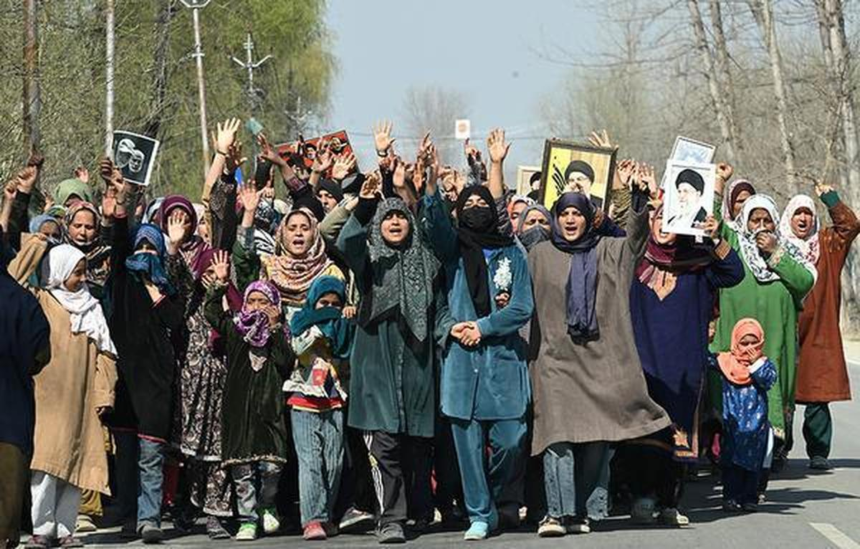
Kashmir remains under strict curbs for the 5th consecutive day after protests erupted over the killing of Iran’s Supreme Leader Ayatollah Ali Khamenei
Kashmir continues to remain under tight security restrictions for the fifth consecutive day following widespread protests triggered by the reported killing of Iran’s Supreme Leader, Ayatollah Ali Khamenei. Authorities have enforced strict curbs on movement, assembly, and communication across several districts in the Valley, aiming to prevent further unrest and maintain law and order.
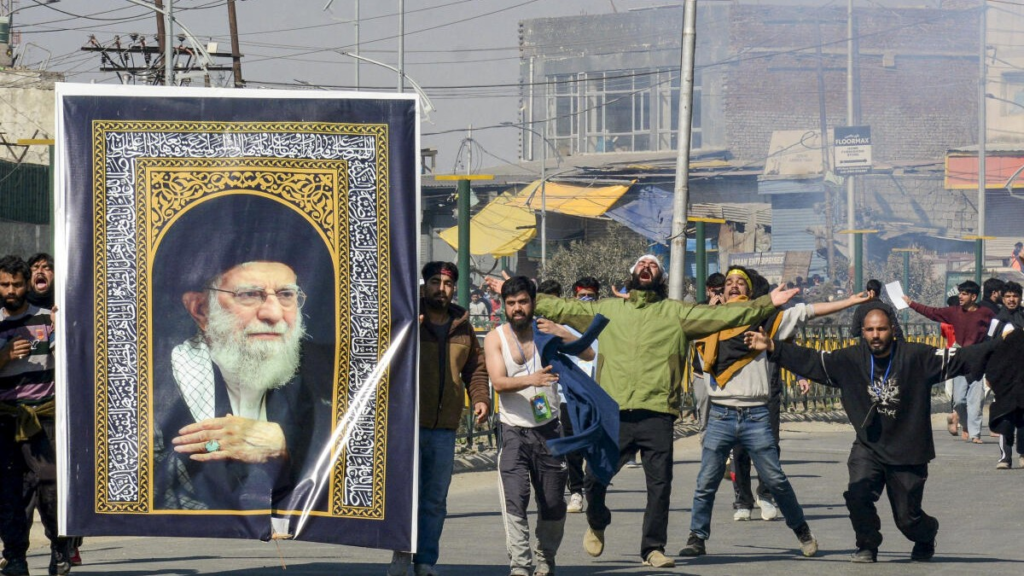
The situation remains tense but controlled, with security forces deployed in large numbers and key public areas barricaded. Educational institutions have been shut, internet services remain restricted, and public gatherings have been limited as part of precautionary measures.
The curbs, which began immediately after protests erupted earlier this week, are still active across major parts of the Kashmir Valley. Officials have stated that the restrictions are preventive in nature and are being reviewed on a daily basis.
1. Movement Restrictions
Security personnel have set up barricades in several sensitive areas, particularly in downtown Srinagar and other districts where demonstrations were reported. Movement of large groups has been restricted, and authorities are closely monitoring public spaces.
2. Assembly Curbs
Section-based restrictions on public gatherings have been imposed in certain areas, limiting the ability to hold rallies or demonstrations. Police have denied permission for any protest marches to avoid escalation.
3. Educational Institutions Closed
Schools and colleges across the Valley remain closed as a precautionary step. Officials have indicated that institutions may reopen only after a review of the security situation.
4. Internet & Communication Restrictions
Mobile internet services have been limited in speed, with reports of 2G-only access in some districts. Authorities argue that such measures help curb the rapid spread of misinformation and prevent coordination of large-scale protests.
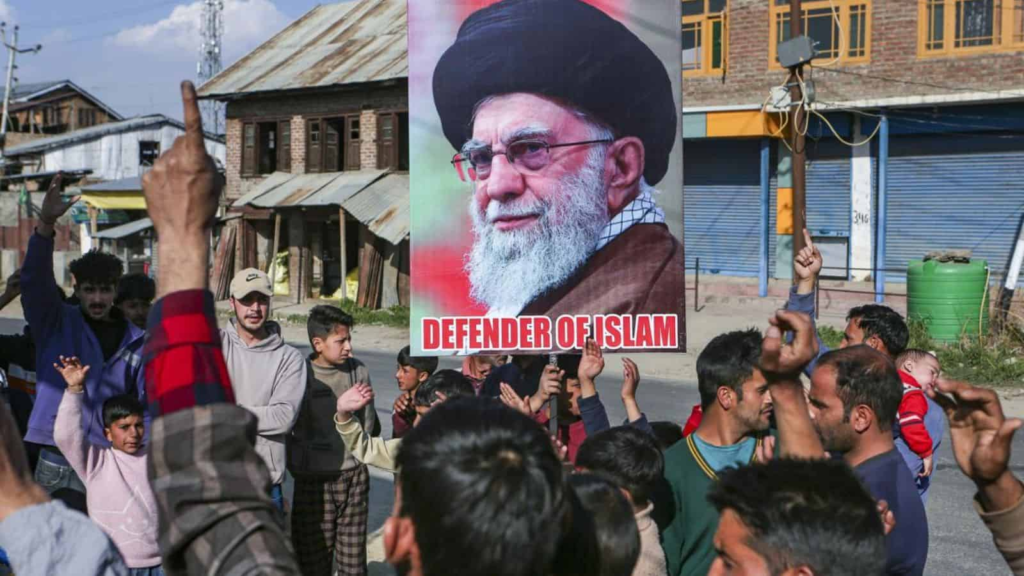
The unrest began after news spread about the killing of Ayatollah Ali Khamenei, Iran’s long-serving Supreme Leader and one of the most influential political and religious figures in the Middle East. The development sparked emotional reactions in parts of Kashmir, especially in areas with significant Shia populations.
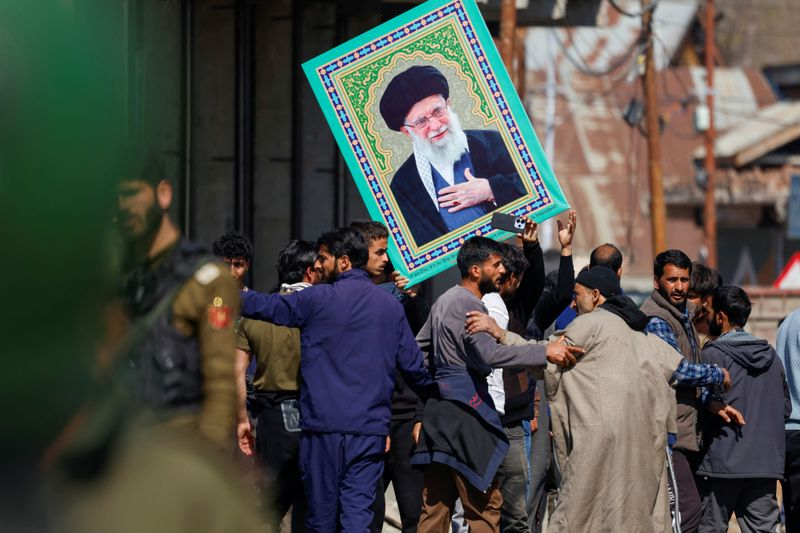
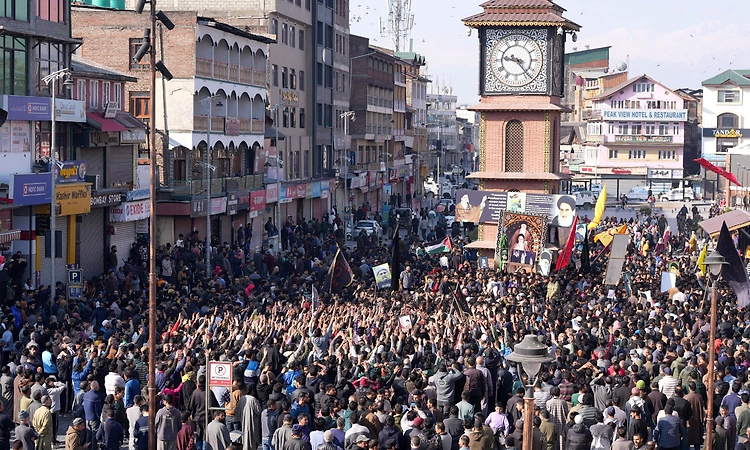
Demonstrations initially began as gatherings expressing grief and solidarity. However, in some locations, protests intensified, leading to clashes with security forces. Tear gas shells were reportedly used to disperse crowds in select areas.
Authorities responded swiftly by imposing restrictions to prevent further escalation.
In Srinagar, particularly near Lal Chowk and adjoining neighborhoods, security presence has been significantly increased. Razor wire barricades and checkpoints have become common sights in certain localities.
Other districts including Budgam, Baramulla, and parts of Anantnag have also witnessed preventive measures, although the intensity of restrictions varies depending on the local situation.
Security officials have stated that the aim is to prevent isolated incidents from turning into widespread unrest.
The prolonged restrictions have disrupted normal life in several ways.
Markets and Businesses
Many markets have operated partially or remained shut in sensitive areas. Traders have reported reduced footfall, while daily wage workers have been particularly affected by limited mobility.
Transport Services
Public transport services are functioning but with limited movement in certain zones. Private vehicles are being stopped for verification at checkpoints.
Students and Education
With schools and colleges closed for days, students face uncertainty regarding academic schedules. Parents have expressed concerns about the loss of classroom time, especially for board exam candidates.
Communication Disruptions
Reduced internet speeds have affected businesses, online services, and digital transactions. Residents have reported difficulty in accessing high-speed connectivity for work and communication.
Officials have emphasized that the restrictions are precautionary measures designed solely to maintain peace. Senior administrators have held meetings with local community leaders and religious representatives to appeal for calm.
Authorities have also urged citizens not to believe unverified information circulating on social media platforms. They maintain that curbs will be relaxed gradually once the situation stabilizes fully.
Political leaders in the region have appealed for restraint and dialogue. Some have called for a balanced approach that safeguards both public sentiment and law and order.
Observers note that while the immediate trigger was an international development, the response in Kashmir highlights how global events can influence local sentiments due to historical, religious, and geopolitical connections.
Kashmir has historically responded strongly to international developments involving Muslim-majority nations and religious figures. Protests over events in the Middle East have occurred in the past, though the current scale of restrictions marks one of the most significant preventive measures in recent years.
Analysts compare the current security deployment to earlier periods of heightened sensitivity, noting that authorities have moved quickly to prevent prolonged unrest.
Authorities have implemented a multi-layered security framework:
- Increased police and paramilitary deployment
- Surveillance of sensitive areas
- Monitoring of digital communications
- Temporary detention of individuals suspected of mobilizing protests
- Regular law and order review meetings
Officials claim that these measures have successfully prevented major incidents over the past 48 hours.
Residents across the Valley express varied opinions. While some support the restrictions as necessary for maintaining peace, others feel prolonged curbs disrupt everyday life and economic stability.
Shopkeepers and small business owners have voiced concerns over revenue losses. Parents worry about academic delays. Youth groups have expressed frustration over communication slowdowns.
At the same time, many citizens acknowledge the importance of preventing violence and ensuring stability.
Authorities are expected to review the restrictions daily. If no major incidents occur, gradual relaxation may begin in less sensitive areas first, followed by urban centers.
Security forces remain on high alert, and any attempt at renewed protests could delay the easing process.
Observers believe the next 48–72 hours will be crucial in determining whether normalcy can be fully restored.
The protests underscore how geopolitical developments can have ripple effects far beyond national borders. The killing of Ayatollah Ali Khamenei has had diplomatic and regional consequences globally, and Kashmir’s reaction reflects its unique socio-political landscape.
While the immediate priority remains restoring calm in the Valley, the situation also highlights the interconnected nature of global politics and local sentiment.