Racial Harassment Shock: 3 Northeastern Women Allege Abuse in Malviya Nagar — ‘Opened a Massage Parlour
Three Northeastern women allege racial harassment in Malviya Nagar after offensive remarks sparked outrage
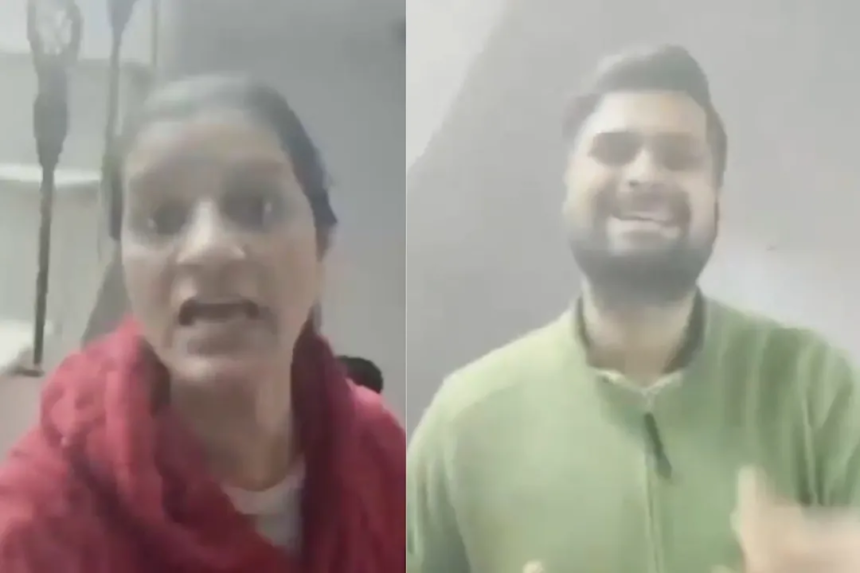
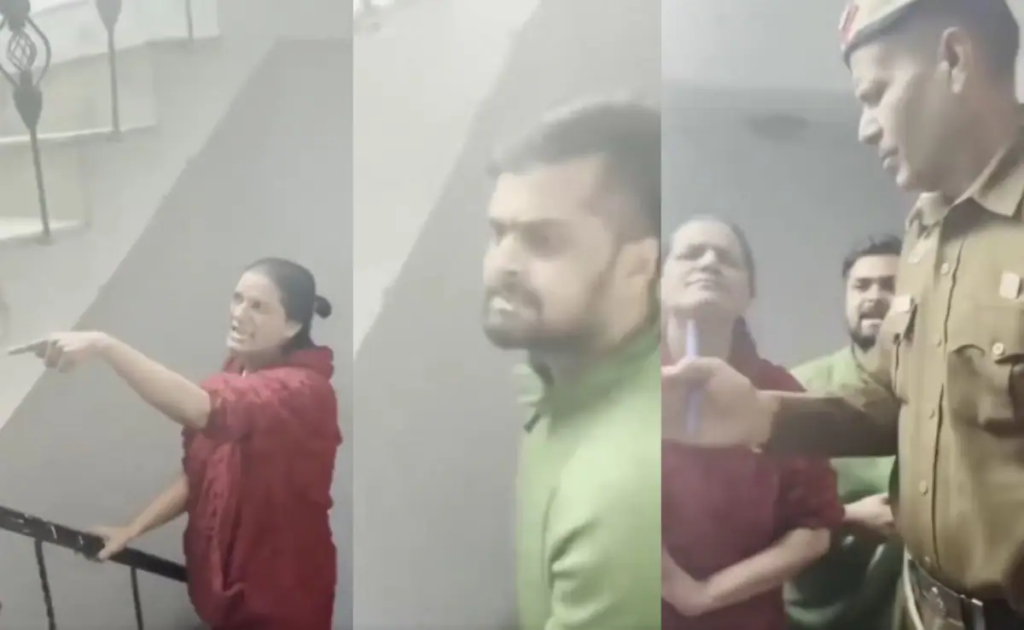
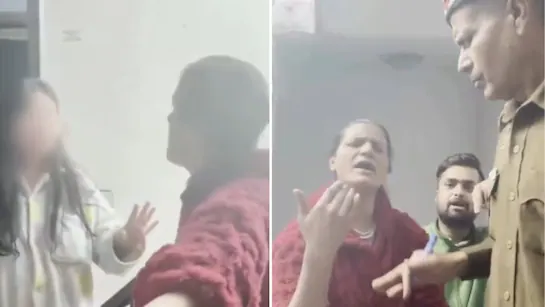
A disturbing case of alleged racial harassment in South Delhi has reignited concerns about discrimination against Northeastern communities in India’s urban centers. Three women from Northeast India have accused locals of verbally abusing them in Malviya Nagar, with offensive remarks questioning their identity and character.
The incident, which reportedly included a derogatory comment implying they had “opened a massage parlour,” has triggered widespread outrage across social media and civil society groups. Activists and public figures have called for strict action, emphasizing that racism within India remains a serious and often underreported issue.
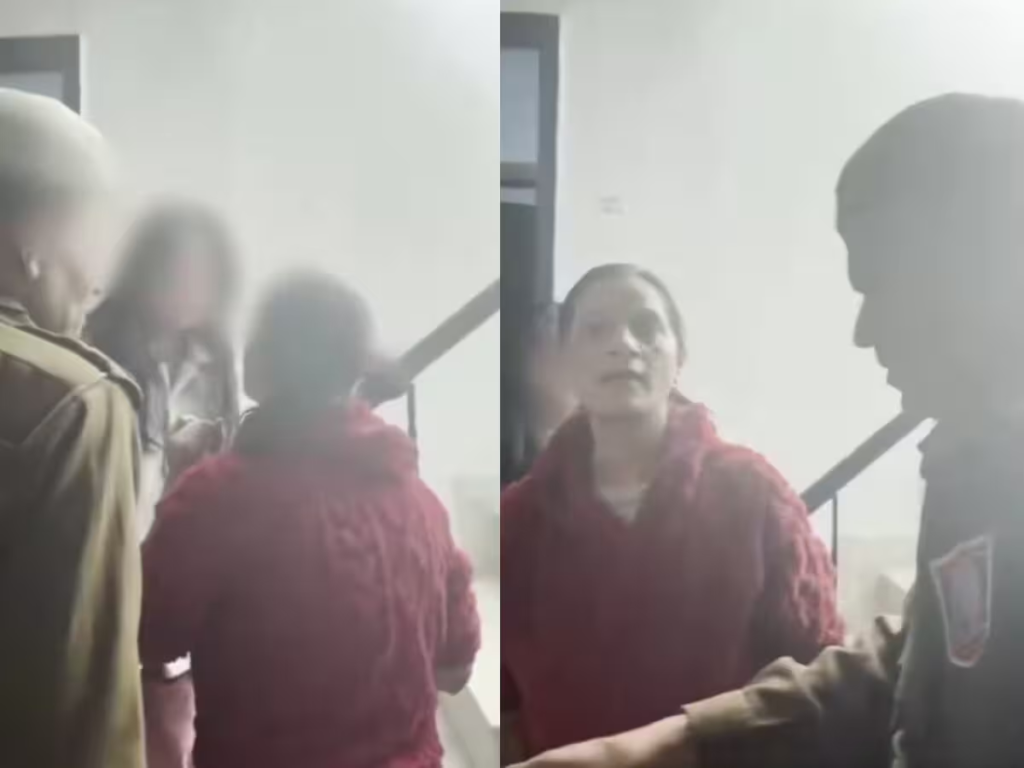
According to the women, the incident occurred in a residential area of Malviya Nagar, where they were allegedly confronted by a group of individuals who made racist and sexist remarks. The women claim they were targeted based on their physical appearance and ethnic background.
The alleged harassment included:
- Racial slurs targeting Northeastern identity
- Derogatory assumptions about their profession
- Verbal intimidation in a public space
The women later shared their ordeal online, detailing how the confrontation escalated and left them shaken.
Their account quickly gained traction, drawing attention to the everyday discrimination faced by many Northeastern residents in metropolitan cities.
At the center of the controversy is the reported comment questioning whether the women had “opened a massage parlour” — a stereotype that activists say reflects deeply rooted prejudice.
For years, people from India’s Northeastern states have reported facing similar stereotypes in mainland cities, where they are often subjected to assumptions about morality, profession, or nationality.
Advocacy groups argue that such remarks are not isolated incidents but part of a broader pattern of racial profiling.
India’s Northeastern region comprises diverse states with distinct cultures, languages, and physical features. However, many residents report feeling alienated in mainland cities due to visible ethnic differences.

Common issues reported by Northeastern communities include:
- Being mistaken for foreigners
- Facing derogatory comments about appearance
- Housing discrimination
- Workplace bias
- Cultural stereotyping
The Malviya Nagar incident has once again highlighted these systemic challenges.
After the women shared their experience online, the story quickly went viral. Hashtags related to racism and Northeastern identity began trending, with thousands expressing solidarity.
Users across platforms shared:
- Personal stories of discrimination
- Calls for legal action
- Demands for anti-racism awareness
- Appeals for safer cities
Many Northeastern influencers and activists used the moment to highlight long-standing grievances that often go unnoticed.
Several advocacy groups and student organizations have condemned the incident, calling for swift and visible action from authorities.
Activists have emphasized that:
- Racism within India must be acknowledged openly
- Police must act decisively in such cases
- Public awareness campaigns are needed
- Institutional mechanisms should support victims
Some groups have also demanded stronger implementation of existing laws aimed at preventing discrimination.
India does not have a standalone anti-racism law, but various legal provisions can be invoked in cases involving racial harassment and verbal abuse.
Possible legal avenues include:
- Sections related to criminal intimidation
- Laws addressing public harassment
- Provisions under the Indian Penal Code for insulting dignity
- SC/ST Act in applicable cases (depending on context)
Legal experts note that enforcement often depends on the willingness of victims to pursue formal complaints and the responsiveness of authorities.
Following the public outcry, there have been calls for Delhi Police to investigate the matter thoroughly. Authorities are reportedly examining the claims and gathering details about the alleged perpetrators.
Observers stress that prompt police action is crucial for:
- Building public trust
- Deterring future incidents
- Ensuring justice for victims
Failure to act decisively, they argue, could embolden similar behavior.
Over the years, cities like Delhi, Bengaluru, and Mumbai have seen growing populations from Northeast India due to education and employment opportunities.
However, integration challenges persist. Many Northeastern residents say they struggle with:
- Cultural alienation
- Language barriers
- Stereotyping
- Lack of institutional support
Despite progress in awareness, incidents like the Malviya Nagar case reveal that deep-rooted biases still exist.
Experts point out that Northeastern women often face a double burden — racism combined with gender-based harassment.
Stereotypes about morality and profession disproportionately target women, making them more vulnerable to public humiliation and safety risks.
This intersection of race and gender makes such incidents particularly traumatic and complex.
Public figures and political leaders have also begun reacting to the controversy. Several leaders have condemned racism in strong terms, emphasizing that diversity is one of India’s greatest strengths.
Some have called for:
- Dedicated helplines for Northeastern residents
- Cultural sensitivity training
- Stricter legal frameworks
- Greater representation in policymaking
Such demands reflect growing recognition of the issue at the national level.
Unfortunately, this is not the first time racial harassment against Northeastern individuals has made headlines. Past incidents across Indian cities have periodically sparked outrage, only for attention to fade over time.
Recurring patterns include:
- Public harassment cases going viral
- Temporary outrage cycles
- Limited long-term policy changes
Activists say sustained institutional reform is necessary to break this cycle.
Beyond legal and social debates, the emotional toll on victims is significant. Experiencing racism in everyday settings can lead to:
- Anxiety and fear in public spaces
- Loss of sense of belonging
- Social withdrawal
- Long-term trauma
Mental health experts emphasize the need for community support and accessible counseling for those affected.
Many experts believe that addressing racism requires more than legal action. Long-term solutions must include:
- School-level diversity education
- Media representation of Northeastern cultures
- Workplace sensitivity programs
- Public campaigns promoting inclusivity
Changing societal attitudes, they argue, is essential to preventing future incidents.
The Malviya Nagar case has become symbolic of a larger conversation about identity and inclusion in modern India. As cities grow more diverse, questions around coexistence, respect, and cultural understanding become increasingly important.

For many, this incident is not just about one neighborhood in Delhi — it reflects a broader societal challenge that demands urgent attention.
As the case continues to draw national attention, the focus now shifts to accountability and systemic change. Observers say meaningful progress will depend on:
- Swift legal action
- Continued public discourse
- Policy interventions
- Community solidarity
Without sustained engagement, they warn, such incidents risk being forgotten until the next controversy emerges.
The alleged racial harassment of three Northeastern women in Malviya Nagar has once again exposed the uncomfortable reality of internal racism in India. While the country prides itself on diversity, incidents like these reveal the work that remains in building a truly inclusive society.
For the victims, justice will mean more than legal closure — it will require acknowledgment, empathy, and assurance that such experiences are not repeated.
For society at large, the incident serves as a wake-up call: inclusivity cannot remain a slogan. It must be practiced in everyday interactions, public spaces, and institutional responses.
Only then can India fully live up to its identity as a nation united in diversity.
Read Also : End of an Era: 7 Key Facts as Former Railway Minister Mukul Roy Passes Away After Prolonged Illness