Rahul Gandhi Meets Farm Leaders: 5 Big Concerns Raised Over India–United States Trade Deal
Congress leader Rahul Gandhi meets farm leaders to discuss concerns over the proposed India–United States trade deal, highlighting fears around agriculture, imports, and farmer livelihoods
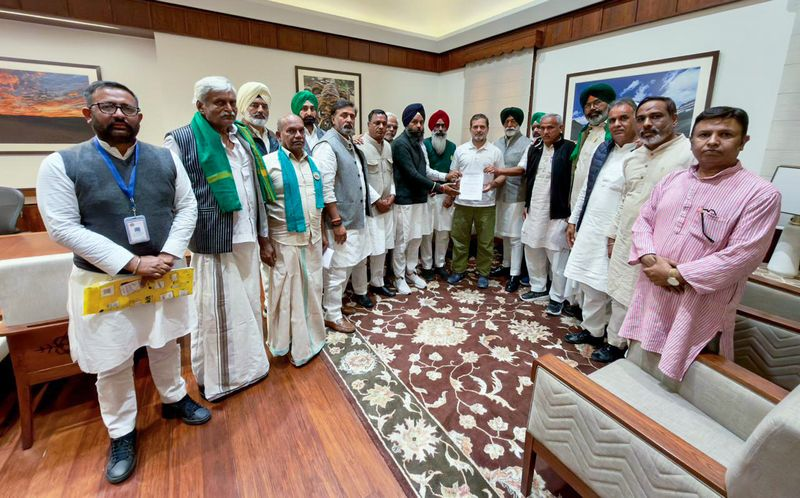
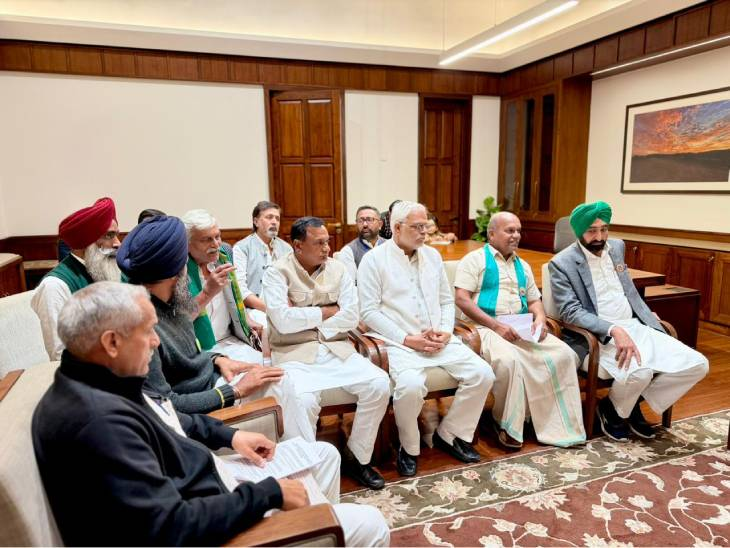
In a significant political development amid growing debate over the proposed India-US trade agreement, Congress leader Rahul Gandhi held an extensive meeting with prominent farm leaders to discuss concerns surrounding the impact of the deal on India’s agricultural sector. The meeting comes at a time when farmer unions and policy experts are raising alarms about potential risks linked to market access, import liberalisation, and the future of domestic farming.
The interaction has injected fresh momentum into the national conversation about the trade pact between India and the United States, with opposition parties positioning themselves as defenders of farmer interests while urging greater transparency from the government.
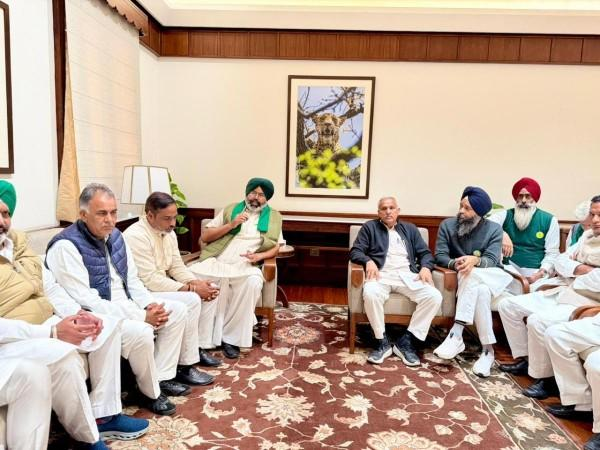
The meeting between Rahul Gandhi and farm representatives is being viewed as a strategic outreach effort by the opposition to reconnect with rural constituencies. Farmers’ groups have long been wary of global trade agreements, fearing that reduced tariffs and increased imports could destabilize local markets and threaten small and marginal farmers.
According to sources familiar with the discussions, farmer leaders outlined a series of concerns including:
- Increased imports of subsidized agricultural goods from the US
- Pressure on minimum support prices (MSP)
- Rising input costs for fertilizers and seeds
- Long-term implications for food security
- Corporate control over agricultural supply chains
Rahul Gandhi reportedly listened to the concerns in detail and assured farmers that their voices would be amplified in Parliament and policy debates.
One of the primary issues raised during the meeting was the possibility of cheaper agricultural imports entering India if tariffs are reduced under the trade deal. Farmers fear that US agricultural products—often backed by subsidies and advanced mechanisation—could outcompete locally produced crops.
Farm unions highlighted examples from past trade agreements where domestic producers struggled to maintain profitability due to import surges. They argued that without strong safeguards, small farmers could face declining incomes and increased debt burdens.
Experts say such fears are not entirely unfounded. The US is one of the world’s largest agricultural exporters, and greater market access could reshape India’s domestic agricultural landscape.
Another major point of discussion revolved around the future of the Minimum Support Price system. Farmers expressed apprehension that trade commitments might weaken the government’s ability to maintain robust MSP policies.
While the government has not officially linked MSP reforms to the trade deal, farmer groups remain cautious. They argue that global trade obligations often push countries toward deregulation and subsidy rationalisation, which could indirectly impact price support mechanisms.
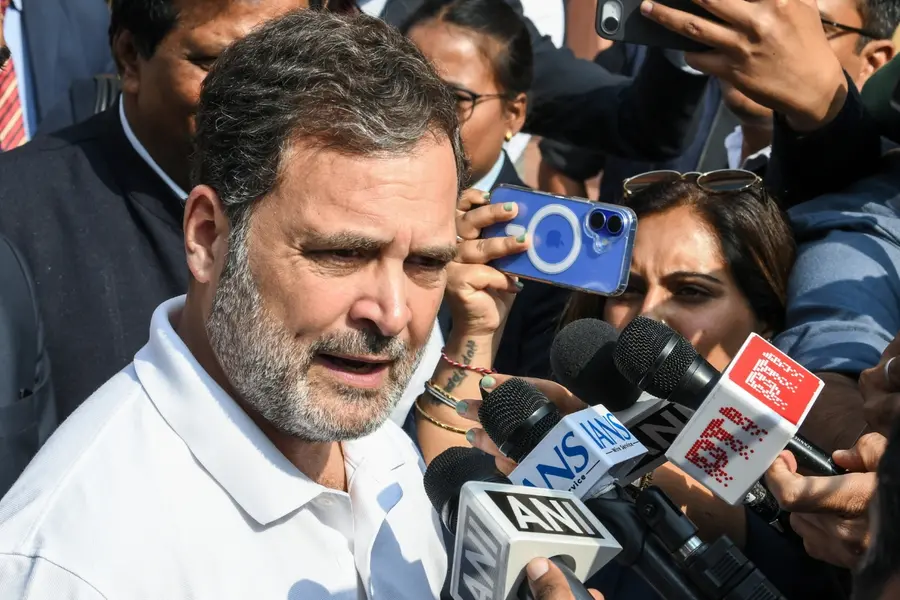
Rahul Gandhi reportedly reiterated his party’s commitment to legally guaranteeing MSP, framing it as a non-negotiable pillar of farmer welfare.
Beyond immediate economic concerns, the meeting also delved into broader strategic implications. Farm leaders emphasized that agriculture is not merely an economic activity but a cornerstone of national food security and sovereignty.
They warned that overdependence on agricultural imports could expose India to global supply shocks, geopolitical tensions, and price volatility. In an increasingly uncertain global environment, many experts argue that maintaining a strong domestic agricultural base is essential for long-term stability.
Rahul Gandhi echoed these concerns, reportedly stating that trade agreements must prioritize national interest over short-term economic gains.
The outreach comes as the Congress party seeks to consolidate support among farmers, a constituency that has played a decisive role in recent political movements. The meeting also signals a broader attempt by the opposition to revive rural narratives ahead of upcoming electoral battles.
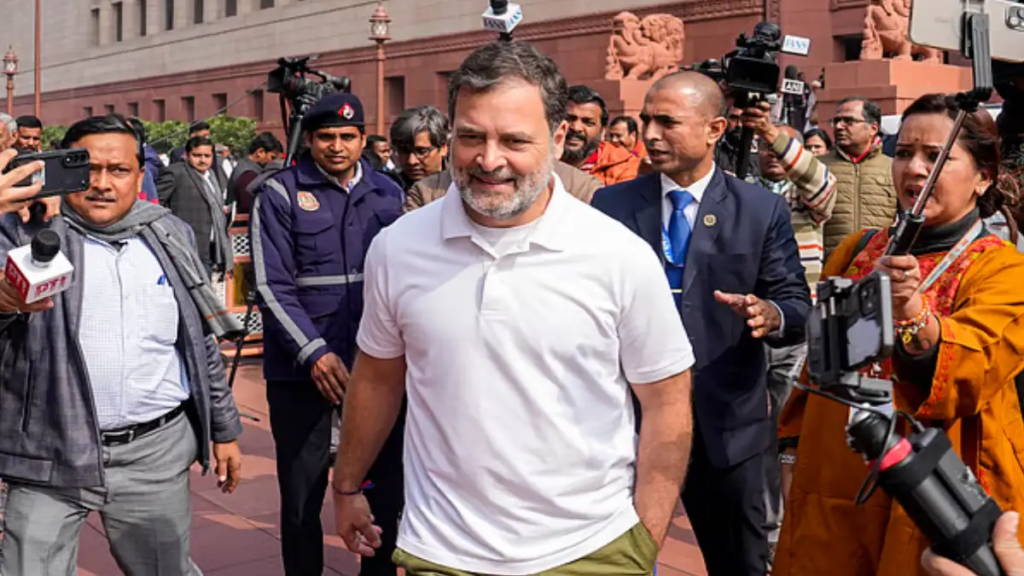
Observers note that Rahul Gandhi’s engagement with farm leaders aligns with his ongoing grassroots campaigns, which have focused on unemployment, inequality, and rural distress. By foregrounding farmer issues, the opposition aims to challenge the government’s economic narrative.
Political analysts say the move could resonate in agrarian states where trade policies often have immediate electoral consequences.
The central government has maintained that the India-US trade negotiations aim to boost exports, attract investment, and strengthen strategic ties. Officials argue that the deal could open new markets for Indian goods, including textiles, pharmaceuticals, and technology services.
Government sources have also suggested that safeguards will be put in place to protect sensitive sectors, including agriculture. However, details of such protections remain limited, fueling skepticism among farmer groups.
Supporters of the trade deal contend that integrating with global markets is essential for economic growth and competitiveness. They argue that with proper policy calibration, India can benefit from trade without undermining its farming community.
Economists remain divided on the long-term impact of the India-US trade agreement. Some believe it could accelerate India’s economic growth by enhancing market access and strengthening bilateral ties with one of the world’s largest economies.
Others caution that trade liberalisation often produces uneven outcomes, benefiting certain sectors while disadvantaging others. Agriculture, with its large population dependence and structural vulnerabilities, remains particularly sensitive to policy shifts.
The outcome of these negotiations could therefore shape India’s economic trajectory for years to come.
During the meeting, farm leaders reportedly presented a set of demands aimed at safeguarding agricultural interests:
- Full transparency in trade negotiations
- Parliamentary debate before finalising the agreement
- Legal guarantees for MSP
- Import safeguards for sensitive crops
- Consultation with farmer unions before policy decisions
These demands reflect a broader push for participatory policymaking, especially in sectors that directly affect millions of livelihoods.
Rahul Gandhi assured the delegation that he would push for wider consultations and democratic scrutiny of the trade deal.
The meeting has triggered varied reactions across political circles. Opposition parties welcomed the dialogue, calling it a necessary step toward inclusive policymaking. Some regional leaders have also urged the government to engage directly with farmer representatives.
On the other hand, ruling party supporters accused the opposition of politicising trade negotiations. They argued that international agreements require confidentiality and strategic discretion.
Despite political differences, there appears to be growing consensus that agriculture must remain a central consideration in any trade framework.
The meeting quickly gained traction on social media, with hashtags related to farmers and trade policy trending online. Supporters praised Rahul Gandhi for engaging with grassroots stakeholders, while critics questioned the timing and political intent of the outreach.
Farmers themselves expressed cautious optimism, noting that sustained dialogue—not one-off meetings—will determine whether their concerns are addressed.
Digital platforms have become a key battleground for shaping public opinion on trade and agriculture, amplifying both support and skepticism.
As India continues negotiations with the United States, the spotlight is likely to remain firmly on how agricultural interests are protected. With millions dependent on farming for their livelihoods, even minor policy shifts can have far-reaching consequences.
The coming months could see intensified consultations, parliamentary debates, and possibly public demonstrations, depending on how negotiations unfold. Stakeholders across the spectrum—from policymakers and economists to farmers and activists—will be closely watching developments.
Rahul Gandhi’s meeting with farm leaders has ensured that farmer concerns remain at the center of the national conversation, reinforcing the idea that trade policy cannot be divorced from ground realities.